Lesser Kudu Hunting
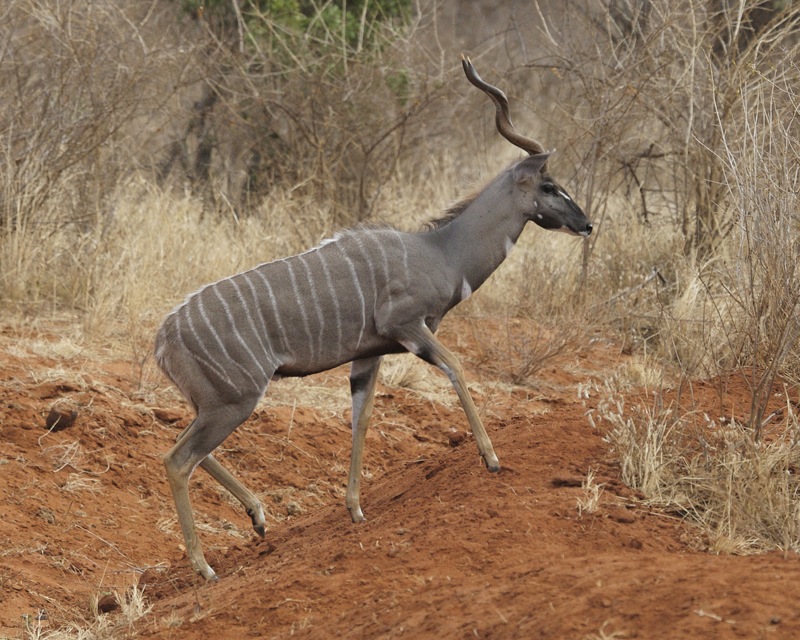
Tragelaphus imberbis
The lesser kudu is a graceful and secretive spiral-horned antelope that rewards patient hunters with one of Africa’s most elegant trophies. Adult males stand 90 to 110 cm at the shoulder and weigh 90 to 108 kg, while females are noticeably smaller at 80 to 95 cm and 56 to 70 kg. The coat is a cool grey-brown, broken by 11 to 14 thin white vertical stripes, a distinctive white chevron between the eyes, and two white cheek spots. Males carry tightly spiraled horns that typically measure 60 to 90 cm; females are hornless. Unlike the greater kudu, lesser kudu rams lack a throat beard, giving them a cleaner, more streamlined look that many hunters find especially attractive. These animals occupy the dry acacia-commiphora thornbush and dense thickets of East Africa’s semi-arid lowlands. They are browsers that feed on leaves, shoots, and fruits, remaining largely nocturnal or crepuscular and extremely wary. When alarmed they freeze or slip away through cover with almost no sound, making them one of the more challenging species to locate and approach. They usually occur as solitary animals or in small groups of two to five. The natural range stretches from southern Somalia and Ethiopia through Kenya into northern Tanzania, with scattered populations in South Sudan and Uganda. Hunters prize the lesser kudu for its difficulty: thick cover, excellent camouflage, and acute senses demand careful tracking, glassing, and stalking. A mature ram with well-formed horns is considered a high-quality trophy and a true test of bushcraft. The species is listed as Near Threatened, primarily because of habitat loss and unregulated hunting, so legal offtake is tightly controlled by quota in the few countries that still permit it.
Hunt facts
- Countries
- Tanzania Uganda
- Hunt regions
-
Tanzania: Arusha Manyara SimiyuUganda: Northern
- Habitat
- Woodland Bushveld Semi-arid
- Best time to hunt
- July–December (Tanzania hunting season)
- Mass
- 90–110 kg (198–243 lb)
- Trophy minimum
-
- SCI (inches): 98
- SCI bow: 89
- Rowland Ward (inches): 54
- Rowland Ward record: 73 7/8
Southern / Eastern Cape greater kudu
Typical record-book minimums; confirm the current edition with your professional hunter.
Where to Find Lesser Kudu
Lesser kudu inhabit dense thickets and dry acacia woodlands across East Africa, mainly in Kenya, Tanzania, Ethiopia and Somalia. They favor arid bushveld with thick cover, rocky hills and riverine vegetation for protection. Tanzania provides some of the premier hunting areas for this species in its safari concessions, while Ethiopia also offers licensed hunting opportunities. Strict regulations apply due to their near-threatened status. The dry season from June through October is ideal as the bush thins out, making it easier to spot them. Terrain includes thorny thickets, undulating terrain and seasonal watercourses. Hunters should look for tracks and feeding signs in dense cover during early morning and late evening. These shy animals freeze or slip away silently, so knowledge of their habits and patience in thick habitat is key to success.
Why Hunt Lesser Kudu
People hunt the Lesser Kudu for its special features. This East African antelope has beautiful spiral horns. Hunters prize these as trophies. The animal is secretive. It lives in thick bush and is hard to spot. This makes hunting it a real challenge. You must be patient and skilled. Tracking it through dense cover is fun and exciting. Success feels great. There are good reasons to hunt this species. Legal hunts support conservation. Fees help protect habitats and fight poaching. Local people benefit too. Hunting keeps numbers balanced. It is a way to enjoy nature while helping wildlife. Many find it a memorable African hunting experience.
Lesser Kudu Hunting Tips
Lesser kudu hunting demands patience and quiet movement through their preferred dense thornbush habitats in East Africa. The most successful method is still-hunting or stalking slowly at dawn and dusk, always keeping the wind in your favor and using binoculars to glass openings and edges of thickets. These animals freeze when alarmed then explode into cover, so approach with extreme caution.
A bolt action rifle in . 270 Winchester, 7mm Remington Magnum or . 308 Winchester with a 3-9x scope is ideal for the typical 50 to 150 yard shots. Wear muted clothing that blends with the bush and carry a good pair of binoculars. Place shots behind the shoulder into the chest cavity for a clean kill. After firing, wait a moment then follow the blood trail and tracks carefully without rushing.
The dry season from June through October provides the best hunting as vegetation thins and animals concentrate near remaining water. Avoid common pitfalls like talking or walking too fast, shooting at running kudu, or failing to confirm a clear background. Always practice firearm safety, stay aware of other potentially dangerous wildlife, and hunt with a licensed professional hunter who knows the area and regulations.
Featured Outfitters for Lesser Kudu
View all


Hunt packages with Lesser Kudu
Curated hunt ideas — no price on the page. Enquire and we'll match outfitters after review.
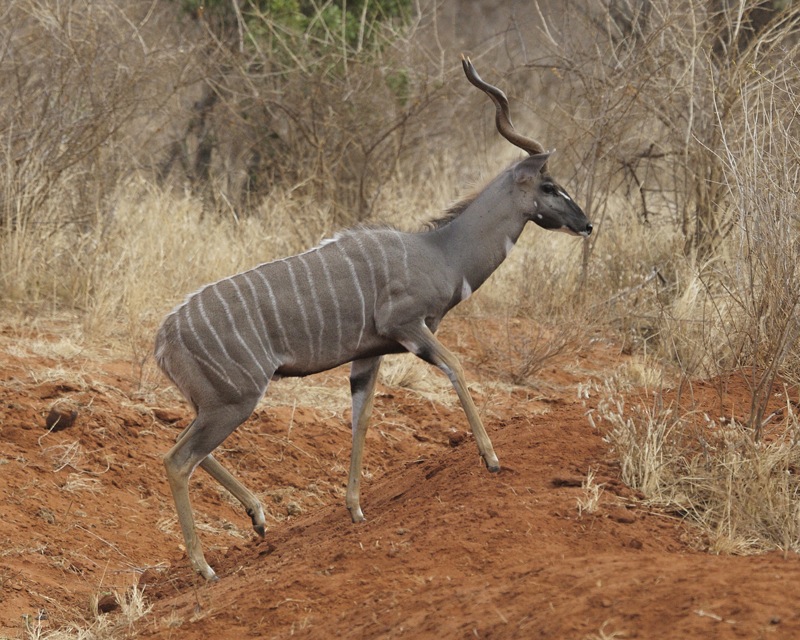
Tabora Lesser Kudu — 10 Days
10 days · Tanzania
10-day tabora lesser kudu — lesser kudu, impala, warthog in Tabora arid woodland.
$13,500 – $15,500
Plan Your Lesser Kudu Hunt
Submit a free enquiry and we'll match you with outfitters who hunt Lesser Kudu in your region.
Sign Up to Enquire Aardwolf
 Abyssinian Bushbuck
 Baboon
 Bat-Eared Fox
 Bay Duiker
 Beisa Oryx