Lichtenstein's Hartebeest Hunting
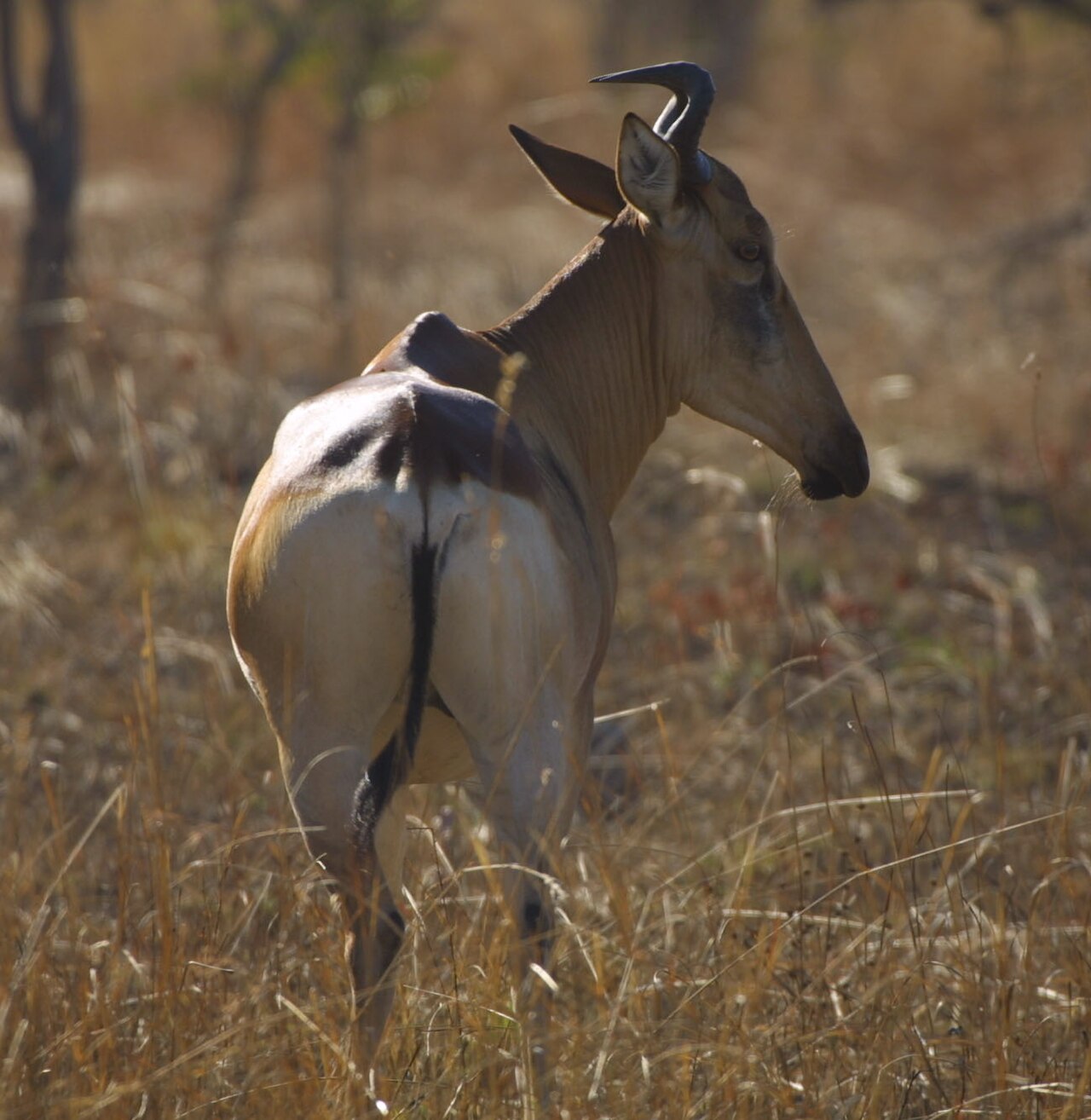
Alcelaphus buselaphus lichtensteinii
Lichtenstein's Hartebeest (Alcelaphus buselaphus lichtensteinii), commonly referred to as the Konzi, presents hunters with a fascinating and challenging quarry in the African bush. This subspecies is characterized by its elongated face, prominent forehead, and a body that slopes from high withers to the rump. Adults measure 48 to 54 inches at the shoulder, with males weighing 300 to 450 pounds and females averaging 250 to 350 pounds. The coat is uniformly reddish-fawn, lighter on the belly and insides of the legs. Both sexes carry lyre-shaped, heavily annulated horns averaging 18 to 24 inches long. Preferring miombo woodlands interspersed with open grasslands, these hartebeest are typically found near water in south-central Africa. They form mixed herds of 10 to 25 animals, with mature males establishing territories. Grazers by nature, they feed mainly on medium-height grasses and are most active in the morning and late afternoon. Their excellent vision and speed make them wary and difficult to approach closely. The current distribution spans southern Tanzania, much of Zambia, Mozambique, Malawi, and parts of Zimbabwe. Isolated populations exist in some protected areas. For hunters, Lichtenstein's Hartebeest offers a unique trophy due to its distinctive horns and the woodland hunting environment, which often involves tracking or still-hunting. Proper shot placement is crucial given their anatomy. Although the overall hartebeest species is listed as Least Concern by the IUCN, Lichtenstein's populations benefit from sustainable use programs that support conservation through hunting revenues.
Hunt facts
- Countries
- Angola Mozambique South Africa Tanzania Zambia Zimbabwe
- Hunt regions
-
Angola: Cuando Cubango MoxicoMozambique: Manica Niassa SofalaSouth Africa: LimpopoTanzania: Katavi Lindi Morogoro Pwani Rukwa Singida TaboraZambia: Central Eastern Muchinga North-Western SouthernZimbabwe: Mashonaland Central Mashonaland West
- Habitat
- Mixed savanna Woodland
- Best time to hunt
- July–December (Dry season (East / miombo))
- Mass
- 120–180 kg (265–397 lb)
- Trophy minimum
-
- SCI (inches): 62
- SCI bow: 53
- Rowland Ward (inches): 23
- Rowland Ward record: 29 4/8
Typical record-book minimums; confirm the current edition with your professional hunter.
Where to Find Lichtenstein's Hartebeest
Lichtenstein's hartebeest are found in the miombo woodlands and associated grasslands of south-central Africa. Primary habitats include open savanna woodlands, floodplains, and areas with short grass near water. Key regions encompass Zambia's Luangwa Valley and Kafue, Tanzania's Selous ecosystem, and parts of Mozambique and Malawi.
The top destinations for hunting this species are Zambia and Tanzania, where professional safari operators offer licensed hunts. Mozambique provides additional options in suitable concessions.
Hunting is best during the dry season from June through October, when animals concentrate around remaining water sources making them more accessible in the vast landscapes.
The terrain consists of gently rolling wooded hills, grassy dambos, and riverine zones with scattered trees offering shade and cover. These environments allow for stalking in mixed cover.
To locate Lichtenstein's hartebeest in the wild, focus on waterholes and open grazing areas at dawn and dusk. Use binoculars to scan from elevated positions, follow game paths, and watch for their distinctive reddish coats and S-shaped horns in small herds. They tend to be wary so approach carefully from downwind.
Why Hunt Lichtenstein's Hartebeest
Lichtenstein's hartebeest captivates hunters with its unique trophy qualities, featuring high, lyre-shaped horns that curve outward before turning inward, creating an elegant and distinctive profile rarely seen in other species. This antelope inhabits the miombo woodlands of south-central Africa, offering a challenging hunt that demands stealthy stalking through dense bush where its keen eyesight and wariness provide genuine excitement and a true test of skill. The meat is highly regarded for its lean, flavorful quality, making it a favorite for camp cuisine or preserved as biltong. While not as culturally iconic as some larger game, it holds traditional value in local hunting practices. Regulated hunting plays a vital role in conservation, generating funds that support wildlife management, community development, and protection against illegal poaching, helping maintain healthy populations. Hunting this species delivers unique experiences in remote, scenic habitats, blending the pursuit with the chance to observe a variety of African fauna in their natural woodland environment.
Lichtenstein's Hartebeest Hunting Tips
Lichtenstein's hartebeest thrive in the miombo woodlands of south-central Africa, making spot-and-stalk the most effective hunting method. Glass open areas from a vantage point at first light, then approach using available cover while staying downwind. These animals have keen eyesight and tend to flee at the first sign of danger, so patience and slow movement are essential.
For equipment, a scoped rifle in . 30-06, . 308 Winchester, or 7mm Remington Magnum with 150-180 grain bullets provides sufficient power. A . 375 H&H works well if you anticipate other plains game. Use a sturdy bipod or shooting sticks for stability in the field.
Aim for the heart-lung area just behind the shoulder, accounting for the hartebeest's high withers and sloping back. A quartering-away shot offers a good angle. Avoid high shoulder shots that might only wound.
Track by following tracks and dung in sandy soil, moving quietly. Stalk during cooler morning and evening hours when they feed. The dry season concentrates them near water sources.
Common mistakes include rushing the stalk, ignoring wind direction, and shooting at running animals. Always confirm your target and background. Safety first: treat every firearm as loaded, wear blaze if required, and hunt with a professional guide in Africa who knows local regulations and potential hazards like other wildlife.
Featured Outfitters for Lichtenstein's Hartebeest
View all


Hunt packages with Lichtenstein's Hartebeest
Curated hunt ideas — no price on the page. Enquire and we'll match outfitters after review.
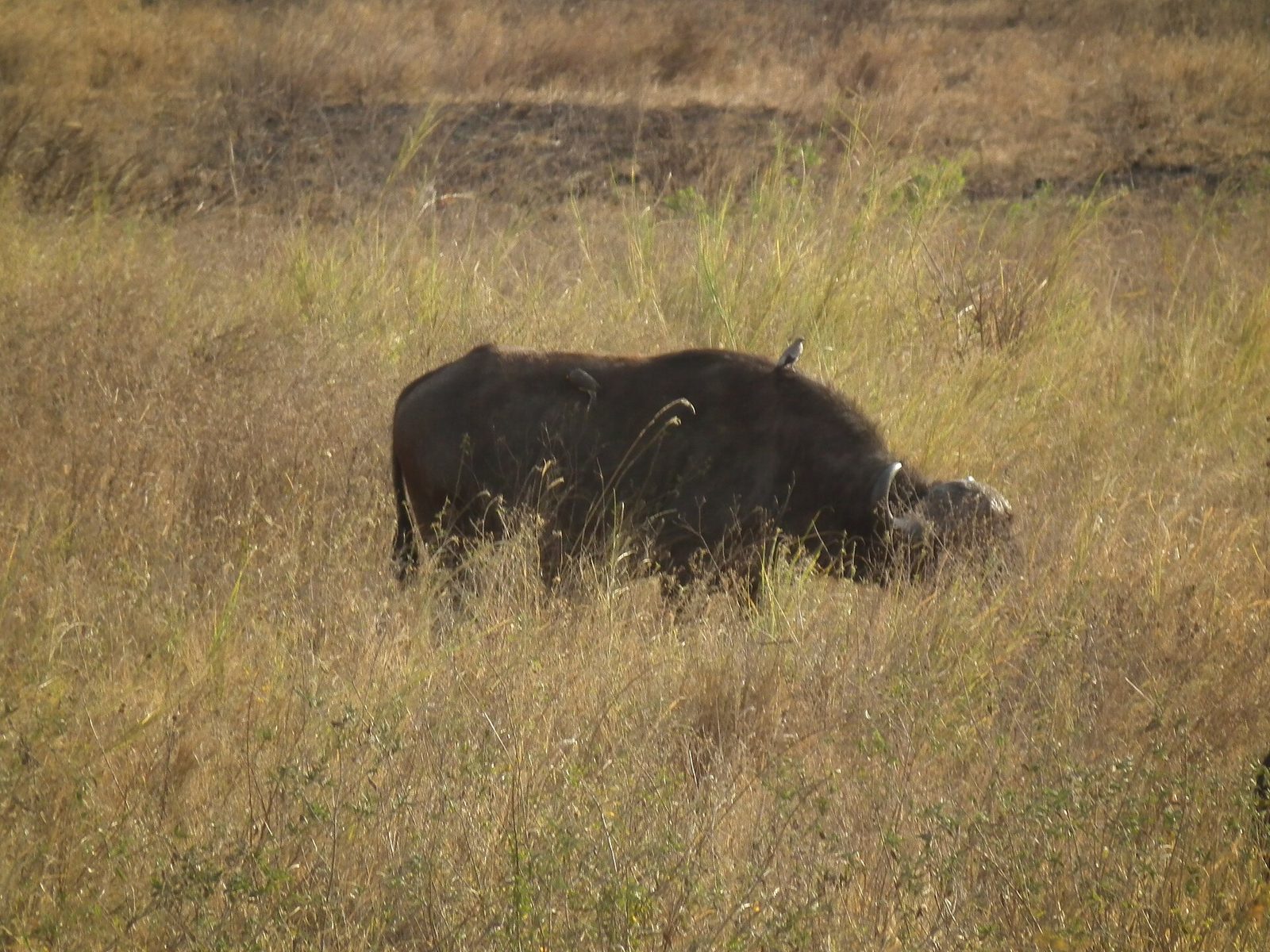
Tanzania Classic Safari — 14 Days
14 days · Tanzania
Fourteen days in the Selous/Nyerere ecosystem — buffalo, kudu, impala, Lichtenstein's hartebeest and zebra from the same miombo concession.
$43,800 – $46,200
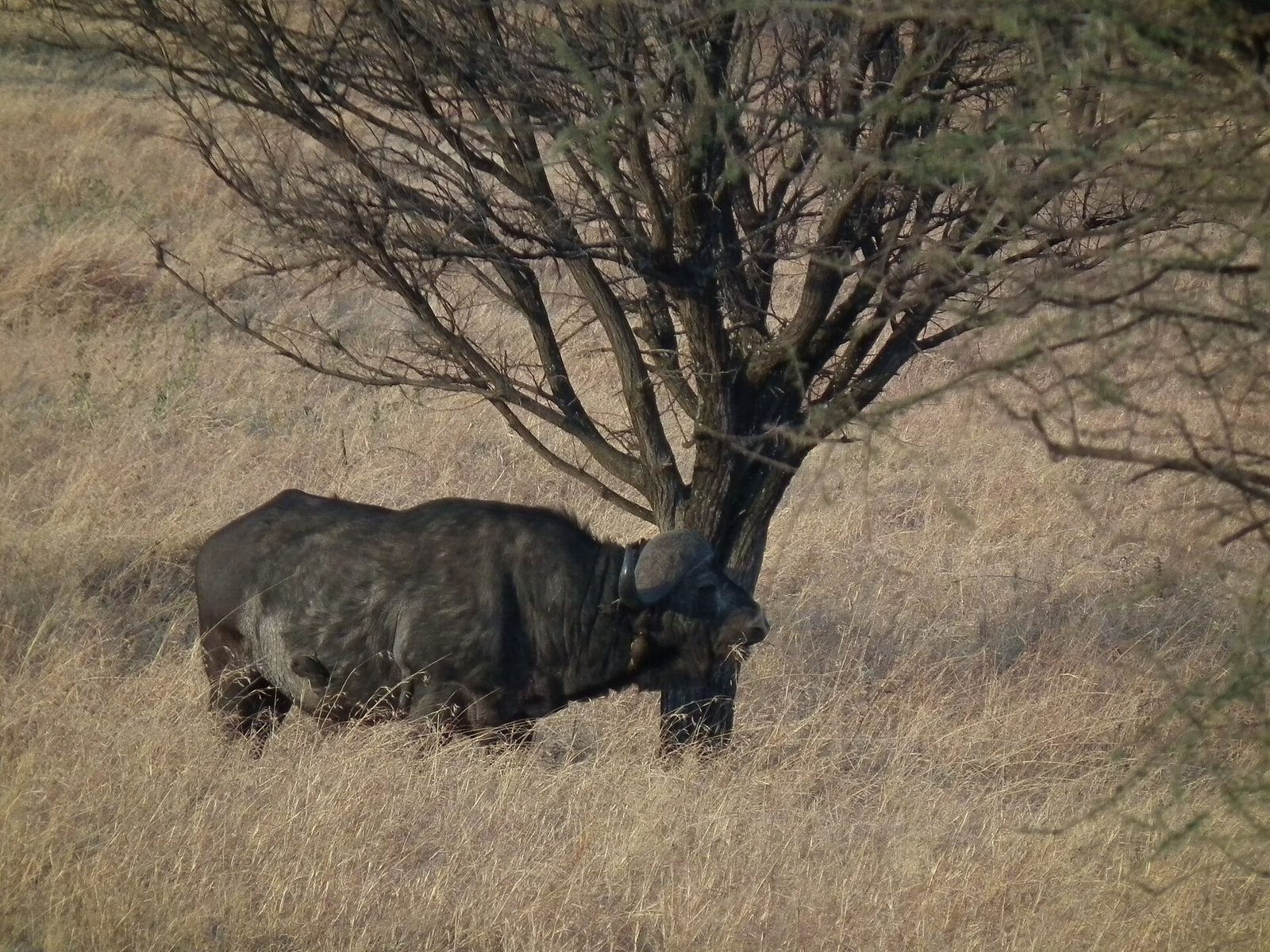
Rungwa Classic — 14 Days
14 days · Tanzania
Fourteen days Rungwa — buffalo, roan, sable, hartebeest and zebra in western miombo.
$48,500 – $52,500
Kafue Plains — 10 Days
10 days · Zambia
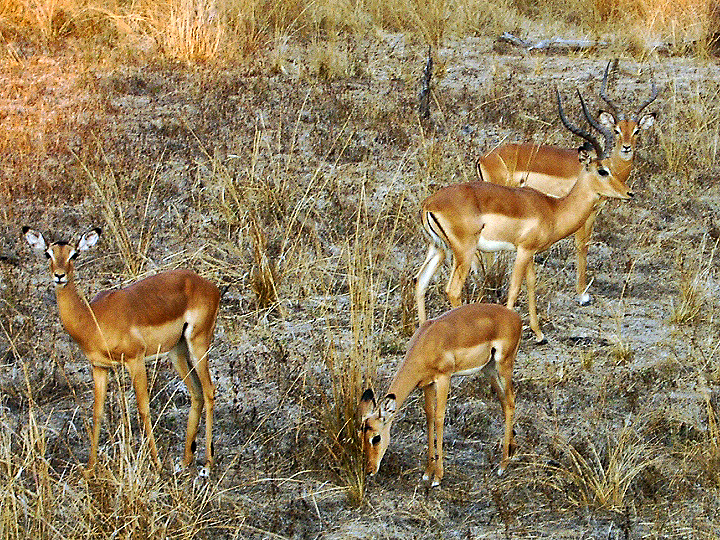
Ten days Kafue plains — impala, puku, hartebeest, warthog and reedbuck.
$14,500 – $16,000
Niassa Sable — 10 Days
10 days · Mozambique
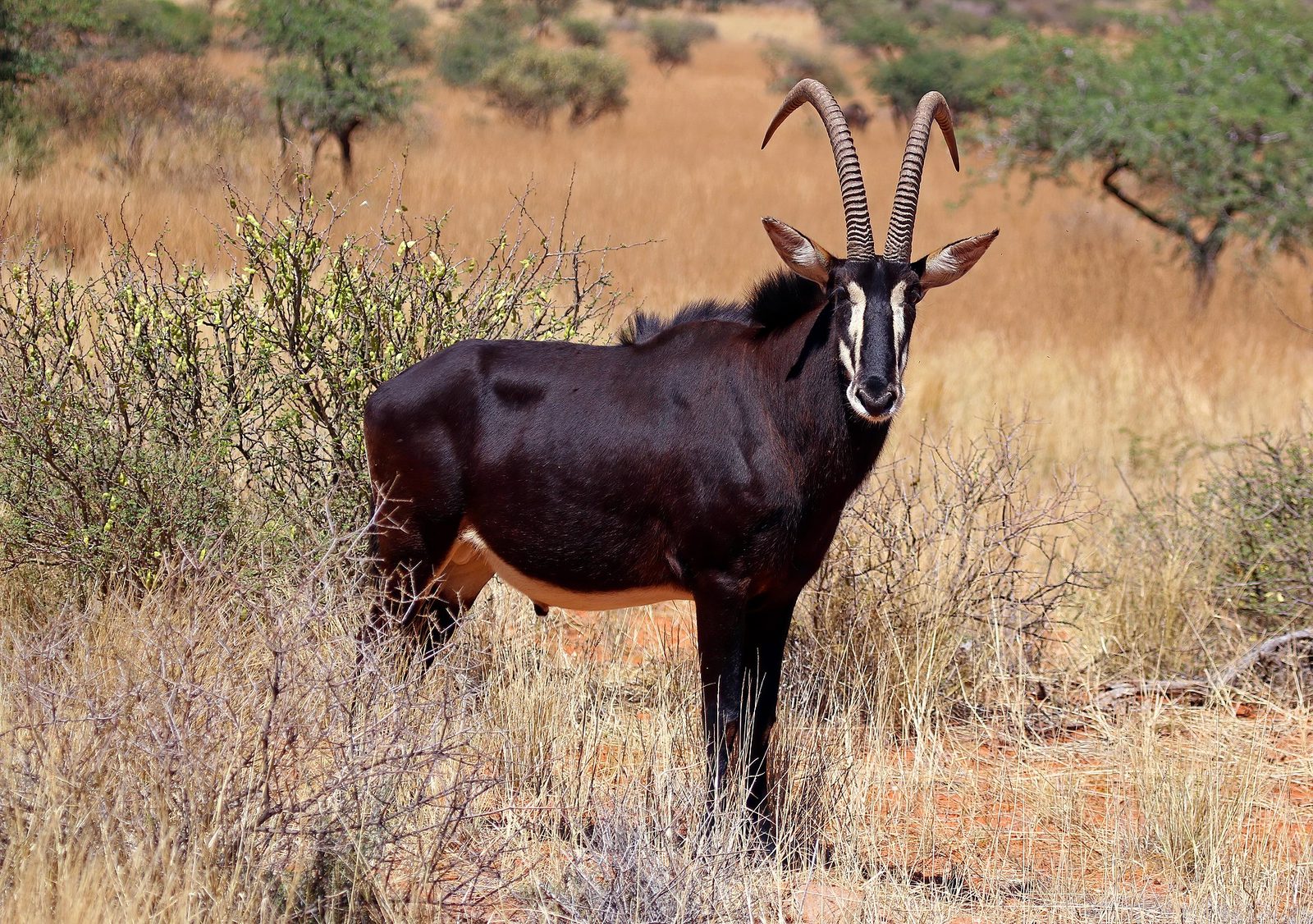
Ten days Niassa — sable, Lichtenstein’s hartebeest, zebra and warthog.
$18,800 – $20,800
Mavinga Plains — 10 Days
10 days · Angola
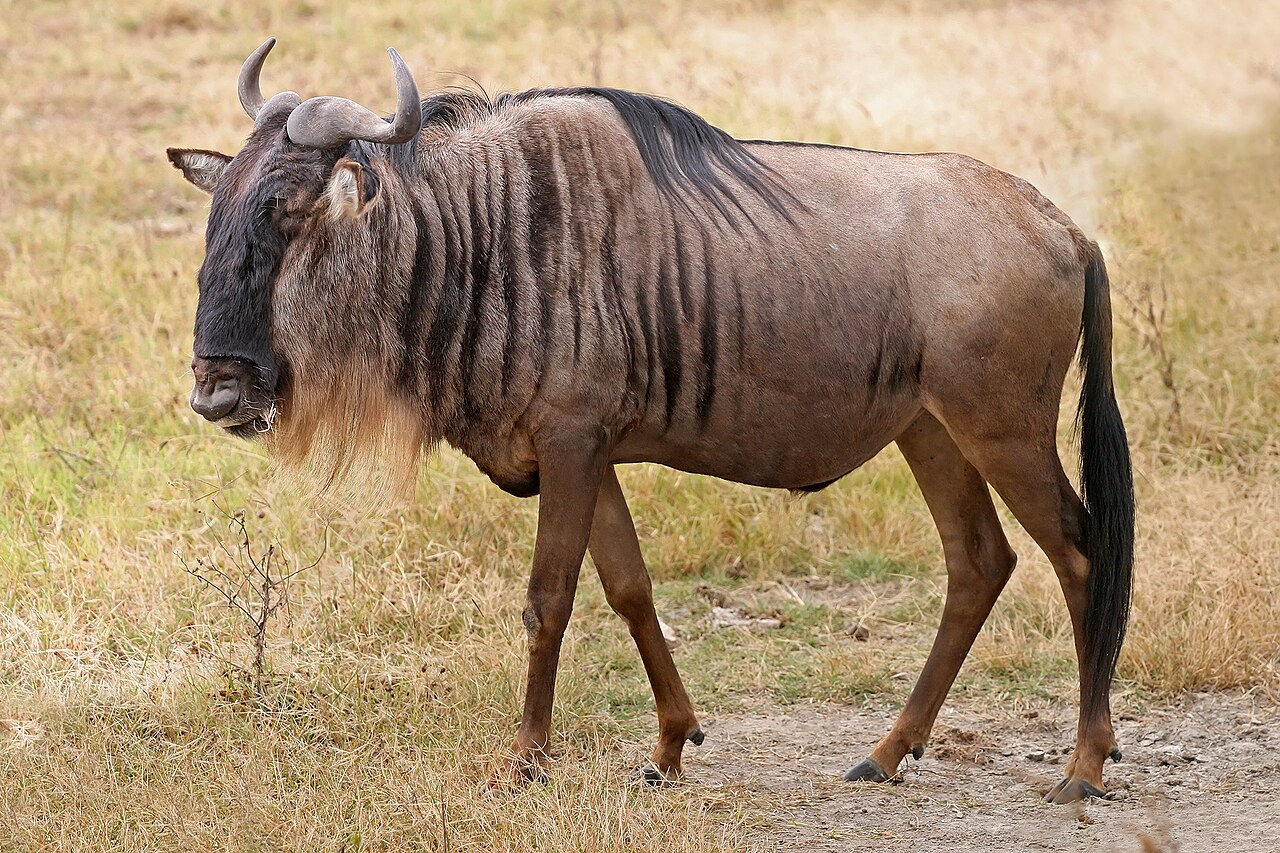
Ten days Mavinga plains — wildebeest, zebra, hartebeest and steenbok.
$16,800 – $18,500
Muchinga Luangwa Plains — 10 Days
10 days · Zambia
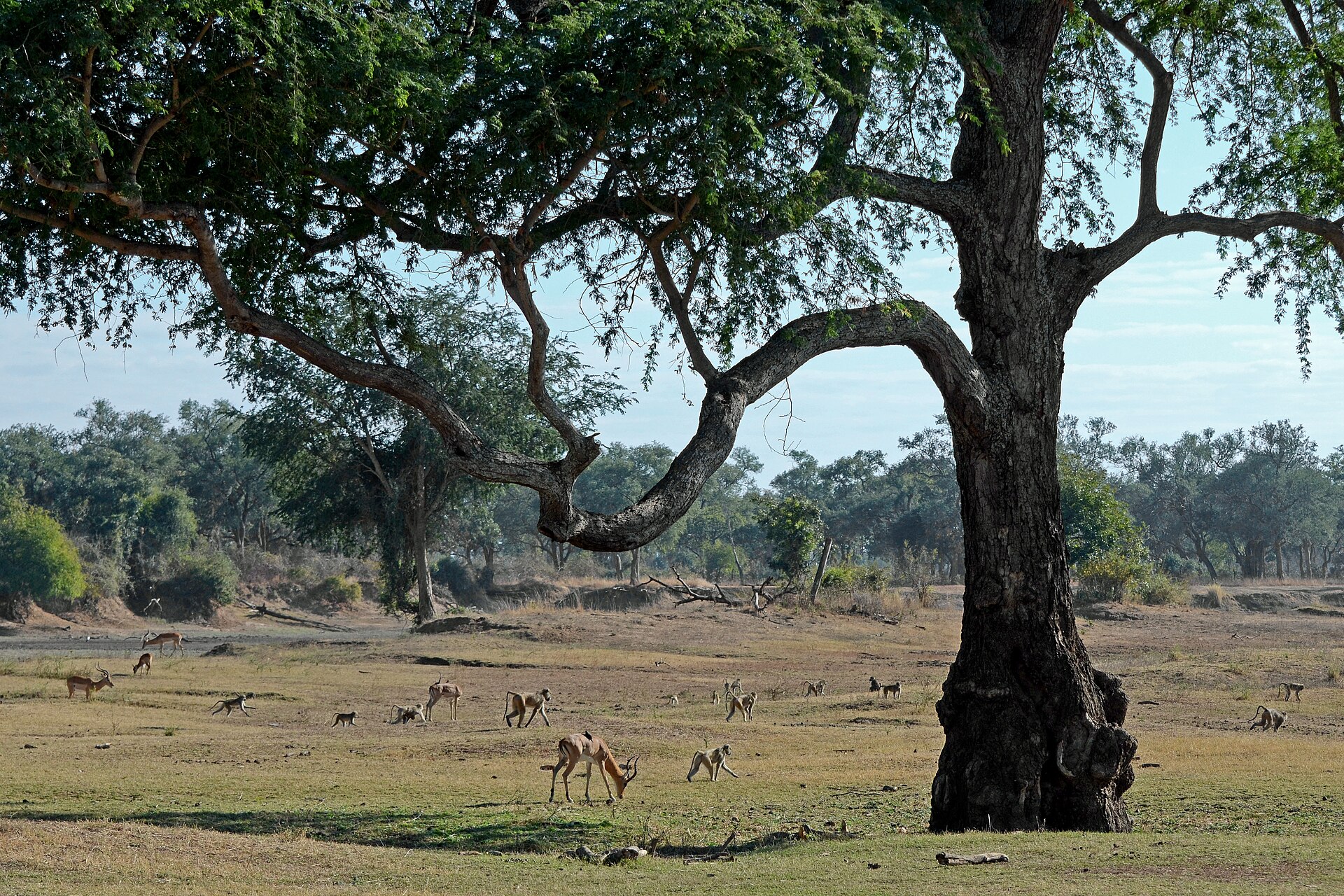
10-day muchinga luangwa plains — impala, puku, warthog in Muchinga / North Luangwa fringe.
$12,500 – $14,500
Plan Your Lichtenstein's Hartebeest Hunt
Submit a free enquiry and we'll match you with outfitters who hunt Lichtenstein's Hartebeest in your region.
Sign Up to Enquire Aardwolf
 Abyssinian Bushbuck
 Baboon
 Bat-Eared Fox
 Bay Duiker
 Beisa Oryx