Nile Buffalo Hunting
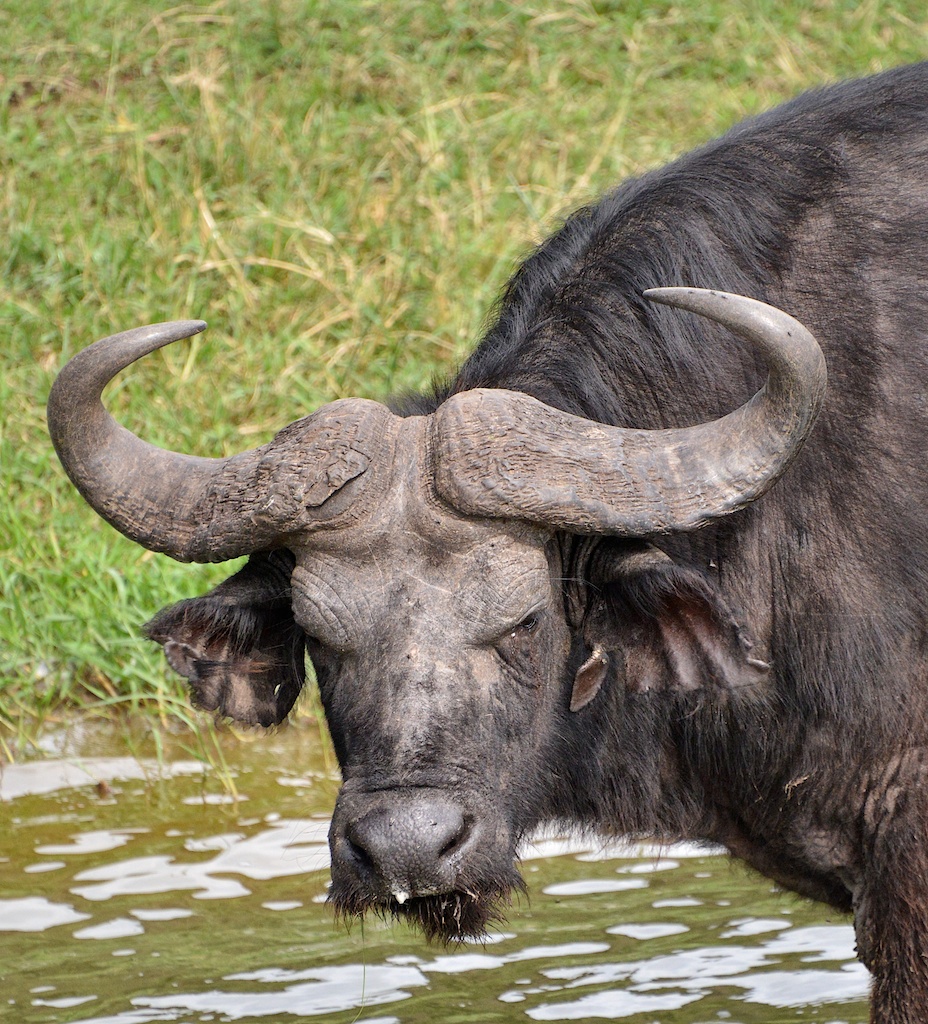
Syncerus caffer aequinoctialis
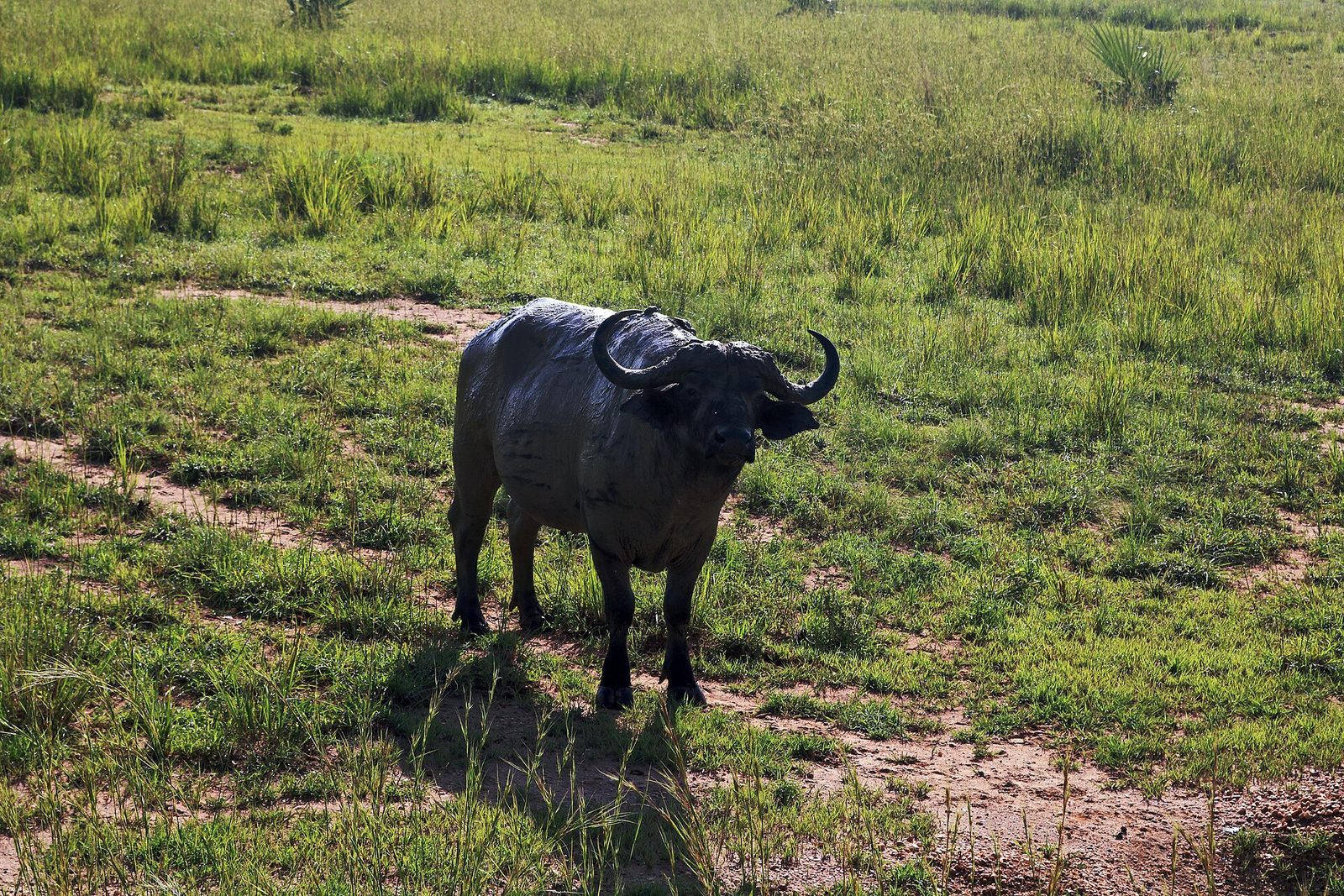
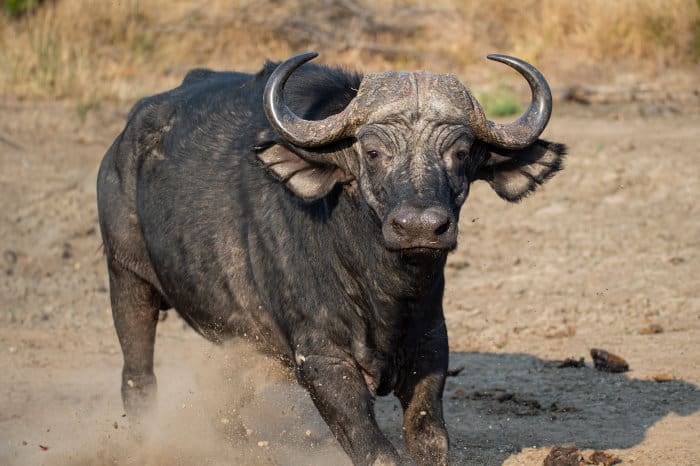
The Nile buffalo, Syncerus caffer aequinoctialis, is a powerful and highly respected member of Africa's dangerous game. Adult bulls typically stand 1. 4 to 1. 7 meters at the shoulder and weigh 550 to 800 kilograms, with a compact, muscular build, dark brown to black coat, and large curved horns that form a heavy boss across the forehead. Cows are smaller and lighter, but both sexes carry impressive horn development that makes them sought-after trophies. These buffalo occupy savannas, floodplains, woodlands, and riverine thickets across equatorial Africa, always remaining close to water. They live in herds that can number from a few dozen to several hundred animals, though old bulls often become solitary and more aggressive. Nile buffalo are alert, possess keen senses of smell and hearing, and can be extremely dangerous when wounded or surprised. Their unpredictable charges and ability to use cover make them a serious test of a hunter's nerve, tracking ability, and shot placement. The subspecies ranges from Ethiopia and Sudan westward through South Sudan, Uganda, and parts of the Central African Republic and Democratic Republic of Congo. Hunters value the Nile buffalo for its challenging nature, the quality of its horns, and the classic African dangerous-game experience it provides. Regulated hunting in several range countries generates revenue that supports anti-poaching efforts and habitat conservation. The African buffalo as a whole is currently listed as Least Concern, though local populations benefit from well-managed hunting programs that help offset habitat loss and human-wildlife conflict.
Hunt facts
- Countries
- Uganda
- Hunt regions
-
Uganda: Northern Western
- Habitat
- Grassland Woodland Wetland
- Best time to hunt
- January–May, December (Uganda dry season)
- Mass
- 500–800 kg (1102–1764 lb)
- Trophy minimum
-
- SCI (inches): 101
- SCI bow: 90
- Rowland Ward (inches): 64
- Rowland Ward record: 91 5/8
Operator table lists generic buffalo (Cape); confirm Nile buffalo SCI category
Typical record-book minimums; confirm the current edition with your professional hunter.
Where to Find Nile Buffalo
Nile buffalo are found primarily in the savanna woodlands, grasslands, and riverine areas of Central Africa. The best countries for hunting this species include the Central African Republic, South Sudan, Cameroon, and parts of Uganda, where they inhabit game reserves and hunting concessions. These buffalo prefer habitats near water sources such as rivers, lakes, and swamps, often in mixed terrain of open plains and dense thickets. Seasonal considerations point to the dry season, typically from December through May, when herds gather around remaining water, making them more accessible for hunters. The environment consists of relatively flat landscapes with tall grass, acacia trees, and occasional rocky outcrops. To locate Nile buffalo in the wild, look for signs like tracks, droppings, and dust wallows, especially in the cooler hours of dawn and dusk when they are most active. Working with experienced local guides and trackers is crucial for success in these remote and sometimes challenging areas.
Why Hunt Nile Buffalo
People hunt Nile buffalo for several reasons. This animal is special. It is large and very strong. It has impressive horns. Many hunters want to take one as a trophy. It is known as a dangerous game animal.
The hunt is challenging and exciting. Nile buffalo live in thick vegetation. They are smart and can be aggressive. They often charge when wounded. Hunters must stay alert. Tracking them requires patience and skill. Success brings a great sense of achievement.
There are good reasons to hunt them. It helps control buffalo numbers in some areas. Hunting fees support wildlife conservation. The meat provides food. It also helps local people through jobs and income. This makes hunting a useful activity.
Nile Buffalo Hunting Tips
Hunting Nile buffalo requires tracking and stalking with a professional hunter, following fresh tracks from waterholes at dawn while moving quietly into the wind and using cover to close within 50 yards. Equip a minimum . 375 H&H Magnum with 300-grain solids, though a . 416 or . 458 offers better penetration on their thick hide. Place shots in the heart-lung area just behind the shoulder, aiming slightly low, and prepare an immediate follow-up as these animals are extremely tough. Read spoor, dung, and feeding signs while staying downwind. Hunt the dry season at dawn and dusk when buffalo are most active. Avoid rushed distant shots, inadequate expanding bullets, or approaching wounded animals carelessly. Stay with your party, keep a backup rifle ready, and never underestimate a charge from this dangerous game.
Featured Outfitters for Nile Buffalo
View all


Hunt packages with Nile Buffalo
Curated hunt ideas — no price on the page. Enquire and we'll match outfitters after review.
 Featured
Uganda Buffalo — 10 Days
10 days · Uganda
Ten days Uganda buffalo with impala and warthog.
$18,500 – $20,500
Northern Lion Quest — 21 Days
21 days · Uganda
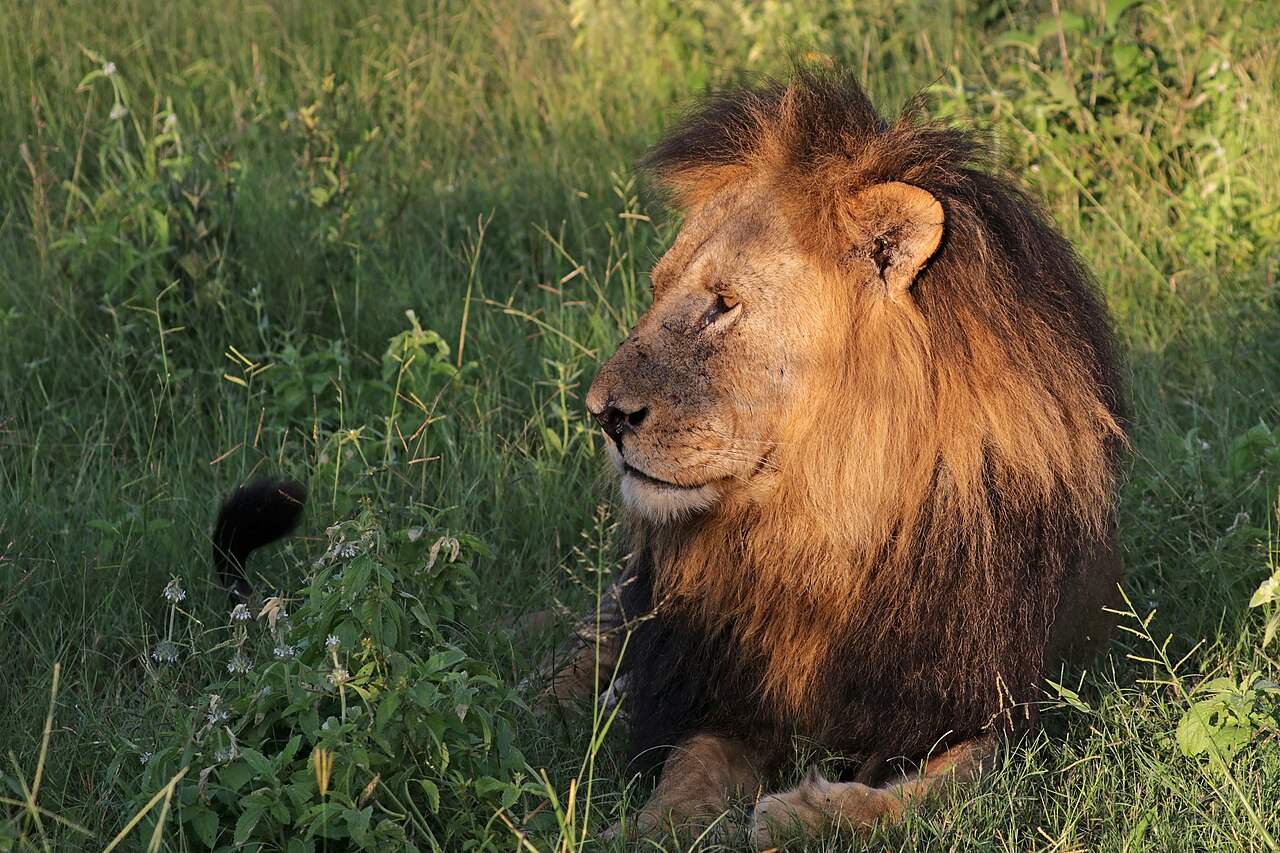
21-day northern lion quest — african lion, nile buffalo in Northern Uganda (Karamoja / Kidepo fringe).
$48,000 – $55,000
Plan Your Nile Buffalo Hunt
Submit a free enquiry and we'll match you with outfitters who hunt Nile Buffalo in your region.
Sign Up to Enquire African Elephant
 African Lion
 Black Rhinoceros
 Cape Buffalo
 Forest Buffalo
 Giant Forest Hog