Nile Lechwe Hunting
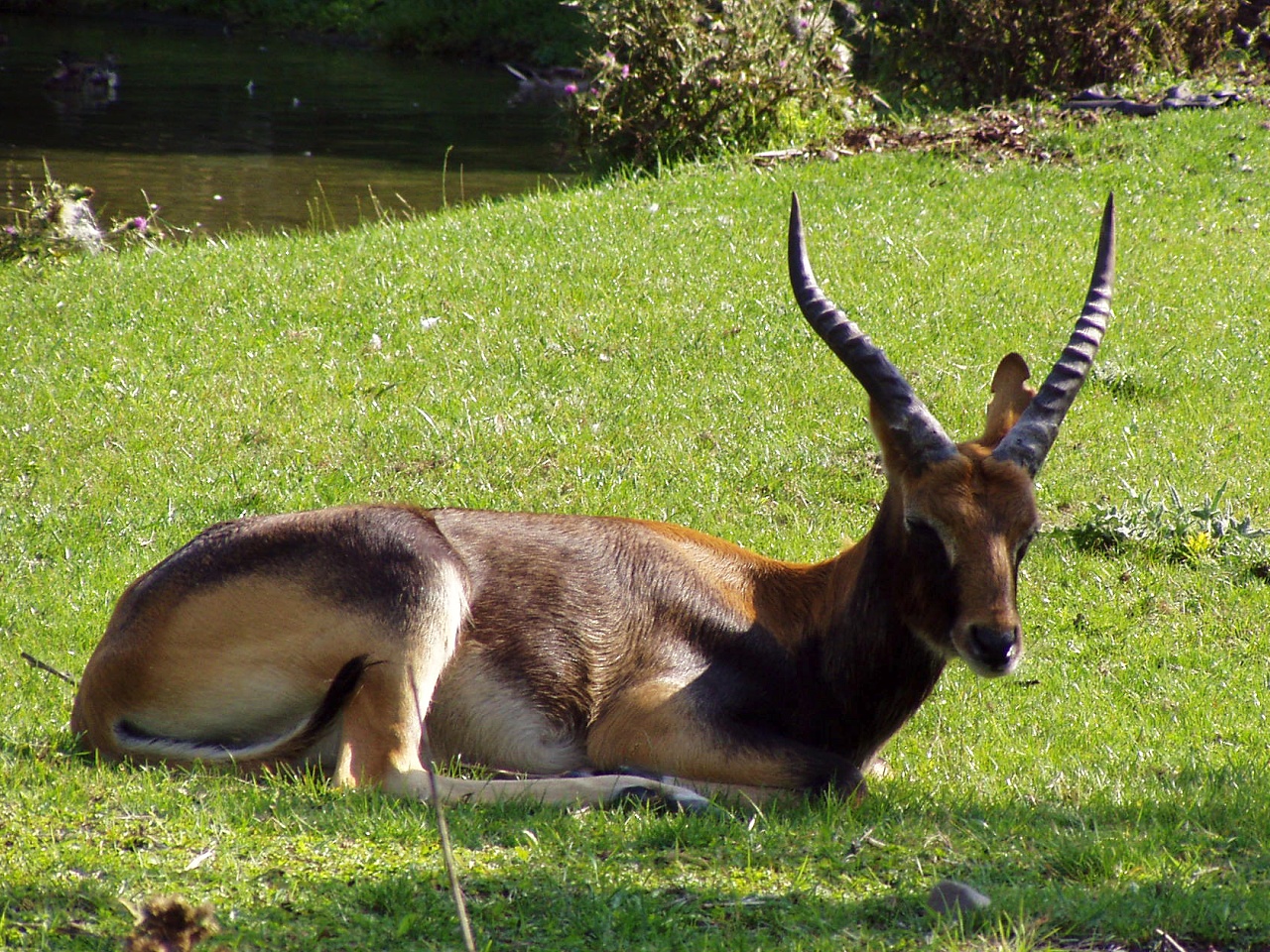
Kobus megaceros
The Nile lechwe, known scientifically as Kobus megaceros, is a distinctive wetland antelope that draws hunters seeking an unusual and rewarding trophy. Mature males stand 90 to 105 centimeters at the shoulder and weigh 90 to 130 kilograms, displaying a dark chocolate-brown to nearly black coat with a striking white saddle patch over the withers and white undersides. Their long, lyrate horns sweep outward then curve inward, often reaching 70 to 87 centimeters. Females are smaller, lighter in color with a reddish-brown coat, and lack horns, creating a clear visual contrast in the herd. These animals occupy the seasonal floodplains and swamps of the Sudd in South Sudan and the Baro River system in southwestern Ethiopia. They are strongly aquatic, frequently wading or swimming through deep water while grazing on grasses and aquatic plants. Nile lechwe live in sizable herds that can number in the dozens or hundreds, moving with the floods and concentrating around remaining wetlands in the dry season. Their agility in water and preference for open marsh make them both visible and challenging to approach. For hunters, the Nile lechwe offers a unique experience in demanding swampy terrain that often requires boats, wading, or careful stalking. The combination of the male’s dramatic coloration and impressive horns produces a standout trophy unlike more common African antelope. The species is listed as Endangered due to habitat loss, human pressure, and regional instability, so ethical hunts through properly licensed operators in permitted areas remain important for any sustainable interest in this remarkable animal.
Hunt facts
- Countries
- Ethiopia
- Hunt regions
-
Ethiopia: Benishangul-Gumuz
- Habitat
- Wetland Riverine
- Best time to hunt
- June–October (Ethiopia; majority of the wild population is in South Sudan)
- Mass
- 80–120 kg (176–265 lb)
- Trophy minimum
-
- SCI (inches): 58
- SCI bow: 52
- Rowland Ward (inches): 26
Distinct from red/black/Kafue lechwe; majority of range is South Sudan
Typical record-book minimums; confirm the current edition with your professional hunter.
Where to Find Nile Lechwe
Nile Lechwe are strongly tied to seasonally flooded grasslands, shallow swamps, and marsh edges. They are semi-aquatic — like their red lechwe relatives, they spend much of their time standing or feeding in shallow water, eating aquatic grasses and sedges, and retreating into deeper water when threatened. In South Sudan — the vast majority of the population lives in the Sudd wetlands (one of the largest swamps in the world, formed by the White Nile) and the Machar Marshes near the Ethiopian border. This is the species' stronghold. In Ethiopia — a small, isolated population in the southwest, particularly around the Gambella region (e.g., Gambella National Park and surrounding floodplains).
Why Hunt Nile Lechwe
Hunters seek the Nile lechwe for its remarkable trophy features, including long lyre-shaped horns and a unique dark coat with white highlights that produce an extraordinary mount. The hunt presents significant challenges and excitement due to the animal's swamp habitat, where hunters must navigate flooded papyrus using boats and wading, testing endurance and hunting skills in a demanding environment. Nile lechwe meat is lean, tender, and flavorful with a distinctive gamey taste suitable for traditional and gourmet cooking. This species holds cultural significance among communities in South Sudan and Ethiopia as a traditional resource. Regulated hunting supports conservation by funding habitat protection, anti-poaching, and local benefits that aid this endangered antelope's survival. Pursuing Nile lechwe offers a rare experience in remote wetlands, combining adventure with the thrill of encountering one of Africa's most distinctive and elusive antelopes.
Nile Lechwe Hunting Tips
Nile lechwe thrive in the floodplains and papyrus swamps of South Sudan, so successful hunts rely on boats or careful wading during the dry season when waters recede and herds concentrate. Stalk from downwind using reeds for cover, moving slowly as these animals stay alert in mixed groups. Use a rifle in . 270, . 308 or . 30-06 with 150-180 grain bullets plus waterproof boots, binoculars and a spotting scope. Place shots just behind the shoulder on a broadside animal for a heart-lung hit; skip running or distant attempts in the water. Follow fresh tracks and droppings along muddy edges at first light or last light. The November-to-April dry period offers the best access. Avoid rushing approaches, ignoring wind or underestimating water depth. Watch constantly for crocodiles, hippos and snakes, hunt only with a licensed professional in legal areas, and carry first-aid supplies given the remote setting.
Featured Outfitters for Nile Lechwe
View all

Hunt packages with Nile Lechwe
Curated hunt ideas — no price on the page. Enquire and we'll match outfitters after review.
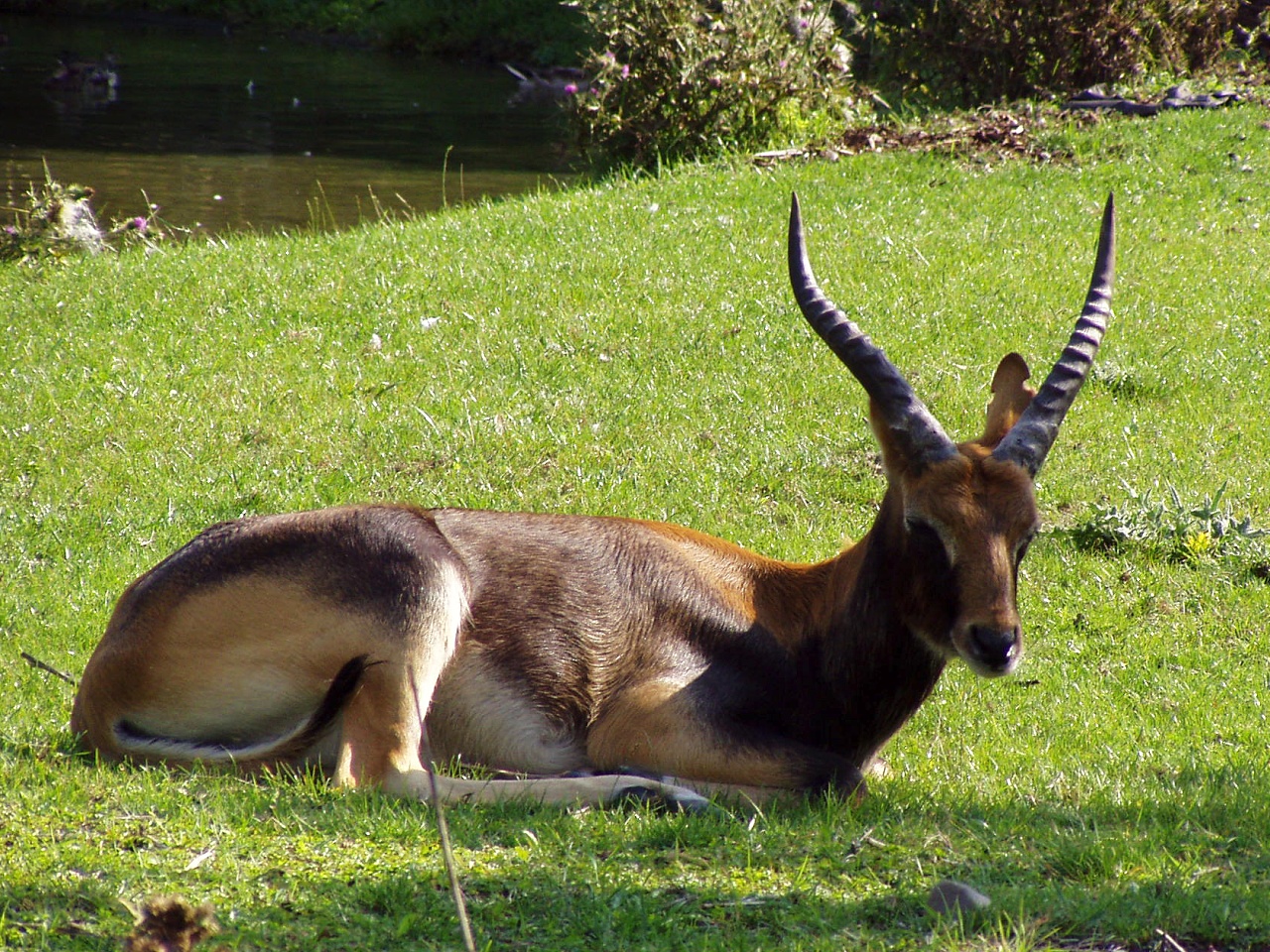
Ethiopia Nile Lechwe — 10 Days
10 days · Ethiopia
10-day ethiopia nile lechwe — nile lechwe, tiang, oribi in Benishangul-Gumuz wetland blocks.
$20,000 – $26,000
Plan Your Nile Lechwe Hunt
Submit a free enquiry and we'll match you with outfitters who hunt Nile Lechwe in your region.
Sign Up to Enquire Aardwolf
 Abyssinian Bushbuck
 Baboon
 Bat-Eared Fox
 Bay Duiker
 Beisa Oryx