Topi Hunting
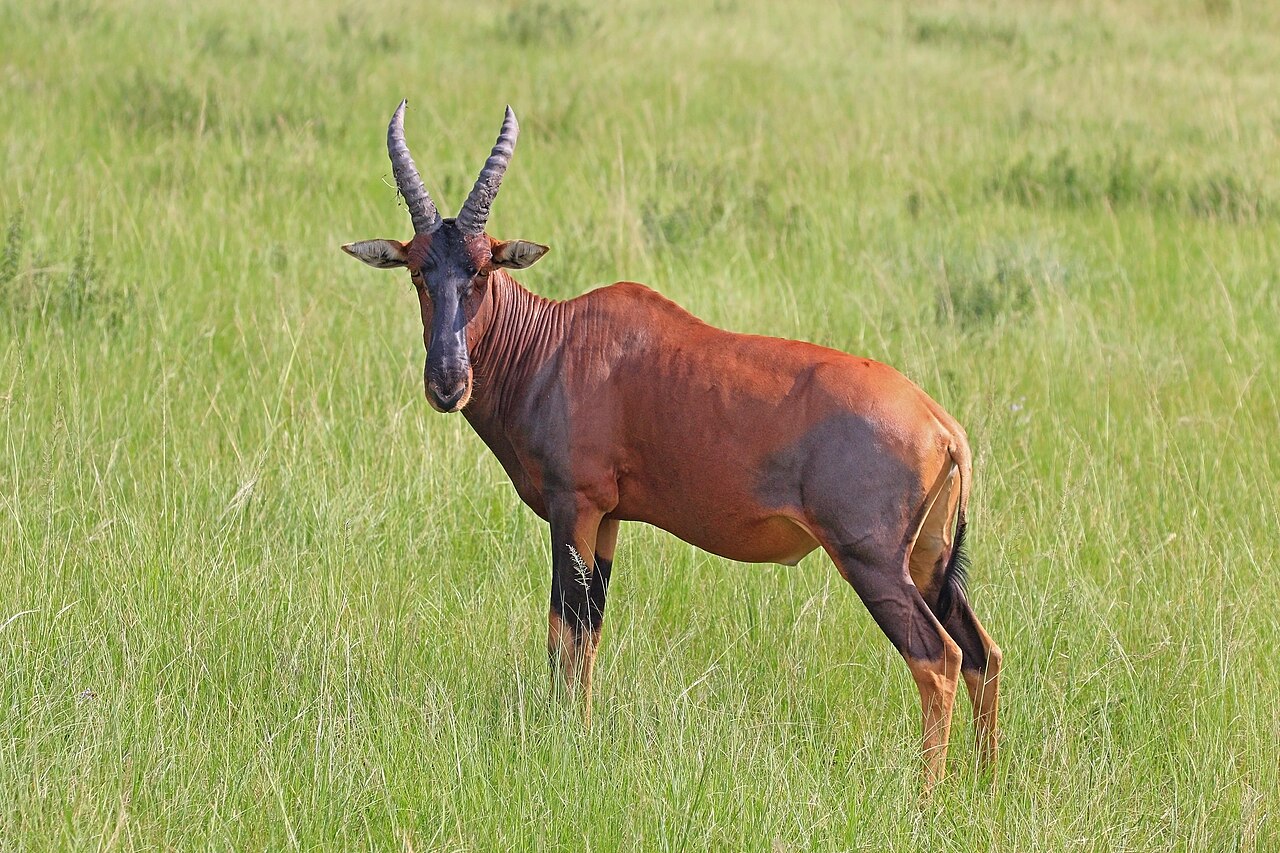
Damaliscus jimela
The Topi is a handsome East African antelope prized by hunters for its striking looks, speed, and quality trophies. Adults stand 40 to 52 inches at the shoulder and typically weigh 240 to 330 pounds, with mature rams noticeably heavier. The coat is a rich reddish-brown with a satiny sheen, set off by dark facial patches, blackish upper legs, and a darker dorsal stripe. Both sexes carry horns, but those of a good ram form a graceful lyre shape, often 16 to 20 inches long with a distinctive backward sweep that makes an impressive mount. These animals thrive on open grasslands, floodplains, and lightly wooded savannas where they can keep a watchful eye on approaching danger. They are highly gregarious, gathering in herds that swell to hundreds during the rains, yet territorial rams fiercely defend prime grazing patches with ritualized displays and occasional sparring. Topi are among the fastest antelopes, capable of sustained bursts well over 40 miles per hour, and they possess keen eyesight that makes them notoriously wary in open country. Their range centers on Kenya, Tanzania, and Uganda, with smaller populations in Rwanda and neighboring regions. Hunters pursue them primarily on foot or from a vehicle in classic safari fashion, often glassing from a distance before attempting a careful stalk. The combination of speed, alertness, and open habitat demands precise shooting and patience; a well-placed shot on a mature ram yields both a handsome trophy and excellent table fare. Populations remain relatively healthy and are listed as Least Concern, though habitat conversion continues to exert local pressure. Regulated hunting in well-managed concessions contributes directly to anti-poaching and habitat protection efforts that benefit the species.
Hunt facts
- Countries
- Tanzania Uganda
- Hunt regions
-
Tanzania: Arusha Katavi Manyara Rukwa Simiyu Singida TaboraUganda: Northern Western
- Habitat
- Grassland Mixed savanna
- Best time to hunt
- July–December (Dry season (East Africa))
- Mass
- 120–150 kg (265–331 lb)
Where to Find Topi
Topi inhabit the open savannas and grasslands of East Africa, particularly the Serengeti in Tanzania, Maasai Mara in Kenya, and similar habitats in Uganda. These areas consist of vast plains with short grasses, scattered acacias, and proximity to waterholes. For hunting this species, Tanzania offers some of the best opportunities in regulated hunting concessions. Kenya and Uganda also have areas where legal hunting occurs. The dry season from June to November is ideal as reduced vegetation improves visibility and animals gather near remaining water sources. Terrain is typically flat to rolling with good sightlines, though some areas have riverine thickets. To find Topi in the wild, look for large herds in short-grass areas, often standing on termite mounds to watch for danger. They mix with wildebeest and zebra. Use local knowledge from professional hunters, scan with binoculars at dawn and dusk when they are grazing, and follow recent rain patterns as they move to greener pastures.
Why Hunt Topi
People hunt topi because they are unique African animals. Topi have shiny red-brown coats and curved horns. This makes them special trophies for hunters. Hunting them is fun and hard. They live on wide open plains. Topi run very fast. They stay watchful all the time. Stalking one requires patience. It is a true test of hunting ability. The African landscape makes the hunt even more thrilling. There are good reasons to hunt topi. Hunting keeps their numbers balanced. This stops overgrazing of the land. Fees from hunts help protect wildlife. Local communities get food and jobs too. Sustainable hunting supports the species long term.
Topi Hunting Tips
Hunting topi, a striking antelope of East African grasslands, is best accomplished through patient spot-and-stalk methods. Glass herds from afar with quality binoculars then stalk in using available cover and keeping the wind in your favor to avoid detection by their excellent vision. Recommended equipment includes a . 270, . 308, or similar caliber rifle loaded with 150-grain bullets, paired with a variable power scope for shots typically under 250 yards. Aim for the heart-lung area just behind the shoulder for an ethical kill. Track by following hoof prints and blood trails in the open terrain, remaining alert as wounded animals can travel far. The prime times are dawn and dusk during the dry season when topi are active and more visible near water. Avoid mistakes such as approaching too quickly or taking running shots, which often result in wounded game. Always hunt with an experienced guide, confirm your target, and stay aware of surrounding wildlife for safety. Follow all local laws and ethical hunting practices to ensure a successful and responsible outing.
Featured Outfitters for Topi
View all



Hunt packages with Topi
Curated hunt ideas — no price on the page. Enquire and we'll match outfitters after review.
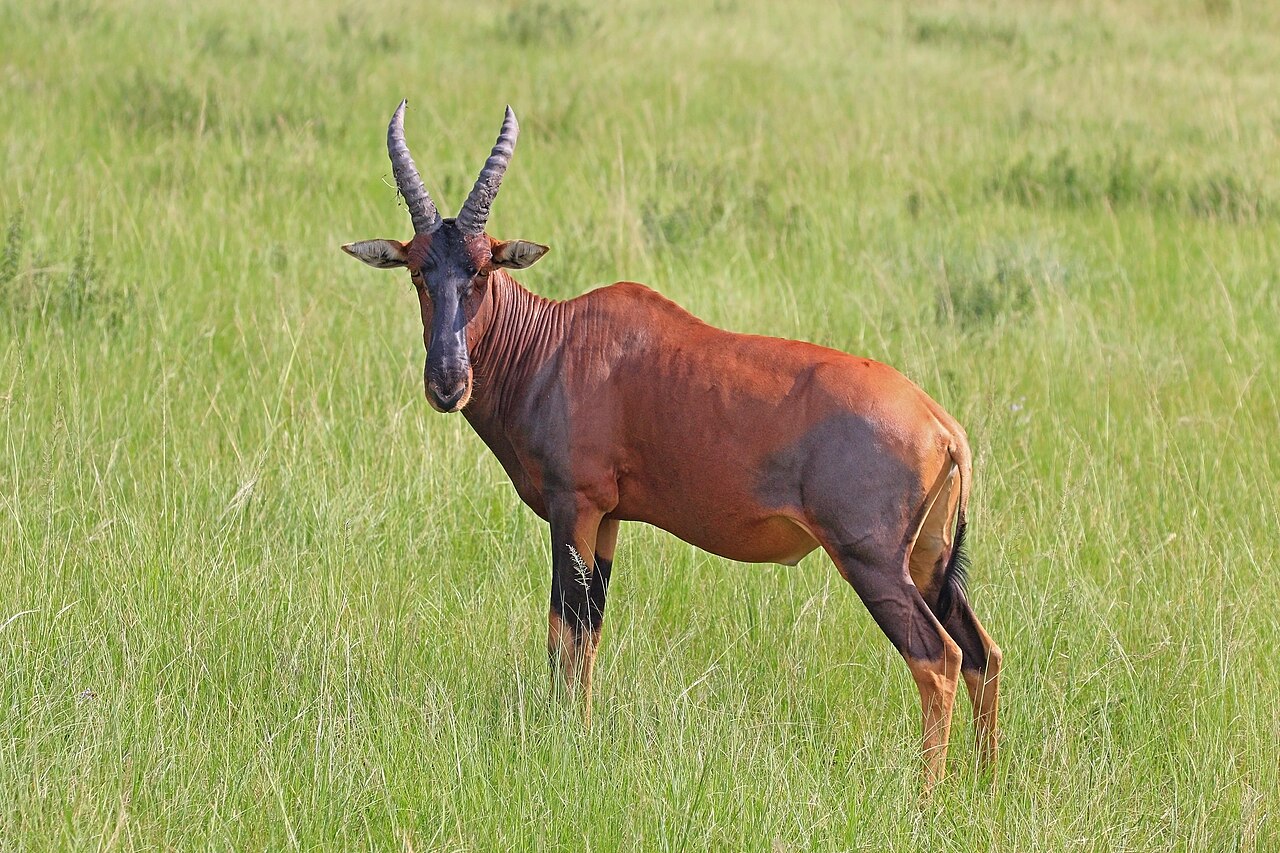
Katavi Topi Plains — 10 Days
10 days · Tanzania
10-day katavi topi plains — topi, impala, warthog in Katavi floodplain fringe.
$14,500 – $16,500
Plan Your Topi Hunt
Submit a free enquiry and we'll match you with outfitters who hunt Topi in your region.
Sign Up to Enquire Aardwolf
 Abyssinian Bushbuck
 Baboon
 Bat-Eared Fox
 Bay Duiker
 Beisa Oryx