White-bearded Wildebeest Hunting
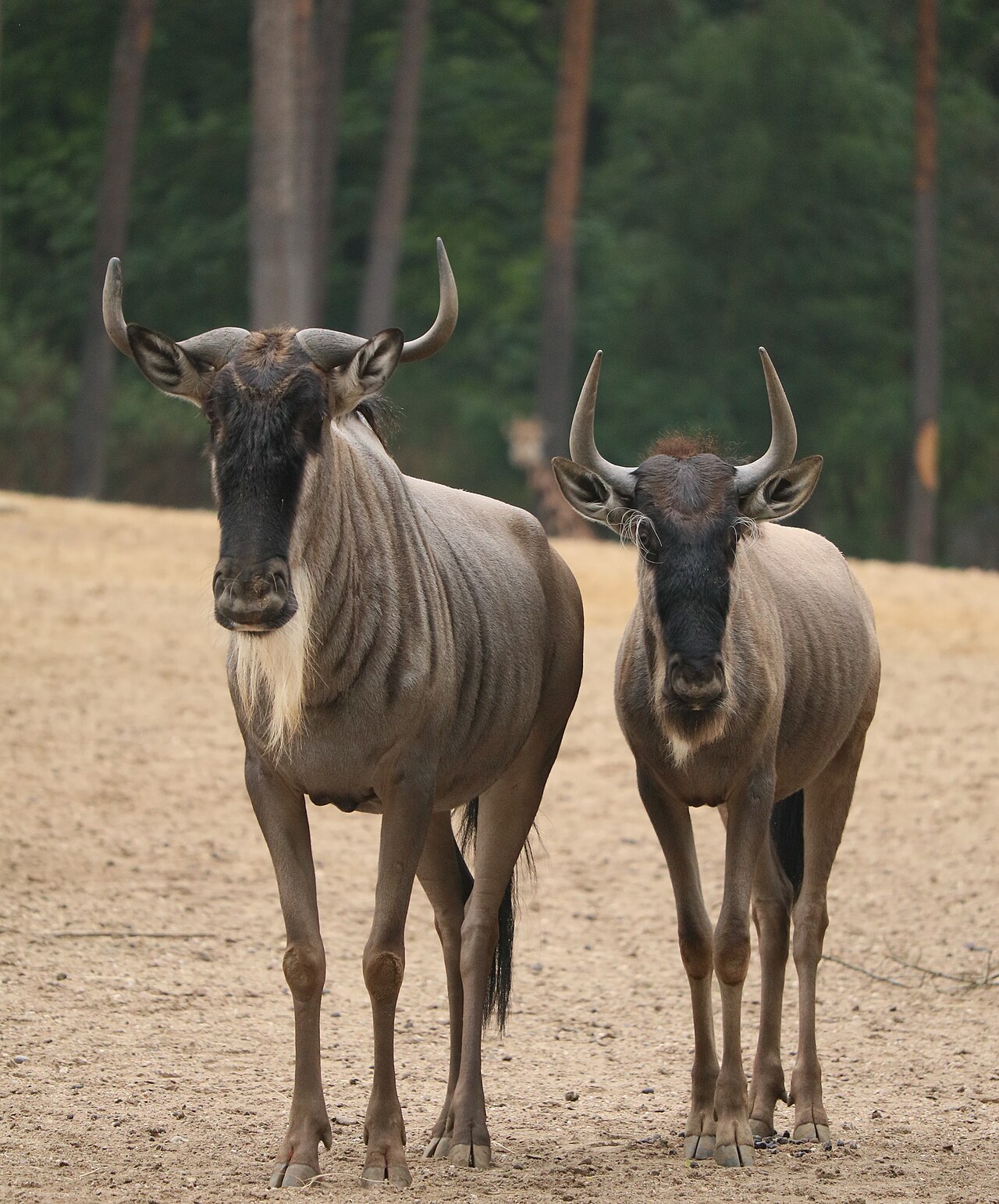
Connochaetes taurinus albojubatus
The White-bearded Wildebeest, or Connochaetes taurinus albojubatus, stands out as a classic East African trophy for hunters seeking the thrill of the open plains. Adults reach 4. 5 to 5 feet at the shoulder, with bulls weighing 400 to 600 pounds and cows a bit lighter. Their slate-gray to bluish coat, black face and mane, and especially the long white beard hanging from the chin make them easy to distinguish from other wildebeest subspecies. Both sexes carry heavy, cow-like horns that sweep out then curve inward, giving mature males impressive spreads that hunters prize. These animals thrive in the grasslands and savannas of Kenya and northern Tanzania, notably the Serengeti-Mara region, where they gather in huge migratory herds that follow the rains. They are restless grazers, constantly moving in tight groups, highly alert, and capable of sudden stampedes. Calves drop in a short window each year, and the herds remain wary of lions, hyenas, and approaching hunters. For the hunter this means exciting, often close-range opportunities amid swirling dust and thousands of animals. Trophy quality is judged mainly on horn length and mass. The species is listed as Least Concern, and well-regulated safari hunting helps fund habitat protection and anti-poaching work across its range. A White-bearded Wildebeest remains one of Africa’s most iconic and satisfying plains-game animals.
Hunt facts
- Countries
- Tanzania
- Hunt regions
-
Tanzania: Arusha Manyara Simiyu
- Habitat
- Grassland Mixed savanna
- Best time to hunt
- July–December (Tanzania hunting season)
- Mass
- 180–250 kg (397–551 lb)
- Trophy minimum
-
- SCI (inches): 70
- SCI bow: 54
- Rowland Ward (inches): 28 4/8
- Rowland Ward record: 36
Same operator-table blue wildebeest row; confirm subspecies category
Typical record-book minimums; confirm the current edition with your professional hunter.
Where to Find White-bearded Wildebeest
White-bearded wildebeest inhabit the open grasslands and savanna regions of East Africa, primarily within the Serengeti-Mara ecosystem covering northern Tanzania and southwestern Kenya. Tanzania provides the main hunting opportunities in licensed concessions and game reserves bordering protected areas, including places like the Maswa Game Reserve. Hunting is not permitted in Kenya. Hunters find the dry season from June to October most productive, coinciding with the great migration when large herds gather on the plains and near water sources. The typical terrain includes vast short-grass plains, rolling landscapes, acacia woodlands, and seasonal river systems. To locate white-bearded wildebeest, scan open areas for herds using binoculars, follow fresh tracks and grazing signs, watch for dust raised by moving groups, and partner with knowledgeable professional hunters who understand current migration patterns and local regulations. Legal hunting requires proper permits and adherence to quotas.
Why Hunt White-bearded Wildebeest
People hunt White-bearded Wildebeest because they are impressive animals. They have unique white beards and curved horns that make fine trophies. Hunters enjoy the look of this large antelope. The hunt is both fun and challenging. These wildebeest move in huge herds across African plains. Spotting the right one takes time. They have sharp senses and can run very fast. Stalking them requires skill and patience. Good reasons exist for hunting this species. It helps control their numbers. Large herds can overgraze grasslands. Hunting fees support conservation efforts. The meat provides food for people. It also creates jobs in local areas. This makes hunting a useful part of wildlife management.
White-bearded Wildebeest Hunting Tips
Hunting white-bearded wildebeest requires patience and skill in East Africa's open plains. The preferred technique is spotting herds from a vehicle then stalking on foot. Approach from downwind using binoculars to identify a mature bull and close the distance with cover.
Use a rifle in . 30-06 Springfield, . 300 Winchester Magnum or 7mm Remington Magnum with 150-180 grain bullets. A 3-9x scope, rangefinder and good binoculars complete the setup for shots under 300 yards.
Aim just behind the front shoulder, one-third up the body, for a heart-lung shot that anchors these hardy animals quickly.
Track by following distinctive hoof prints and dust trails. Stalk into the wind during feeding periods as they have keen senses.
Hunt early morning and late afternoon in the dry season from June to October when herds concentrate near water.
Avoid taking long shots, shooting into the herd without a clear target, or neglecting to confirm a clean kill. Underestimating their speed after a poor hit is a frequent error.
Safety first: always be accompanied by a licensed professional hunter, watch for lions and other dangerous game, and follow all local regulations strictly.
Featured Outfitters for White-bearded Wildebeest
View all


Hunt packages with White-bearded Wildebeest
Curated hunt ideas — no price on the page. Enquire and we'll match outfitters after review.
Simiyu Plains Short — 7 Days
7 days · Tanzania
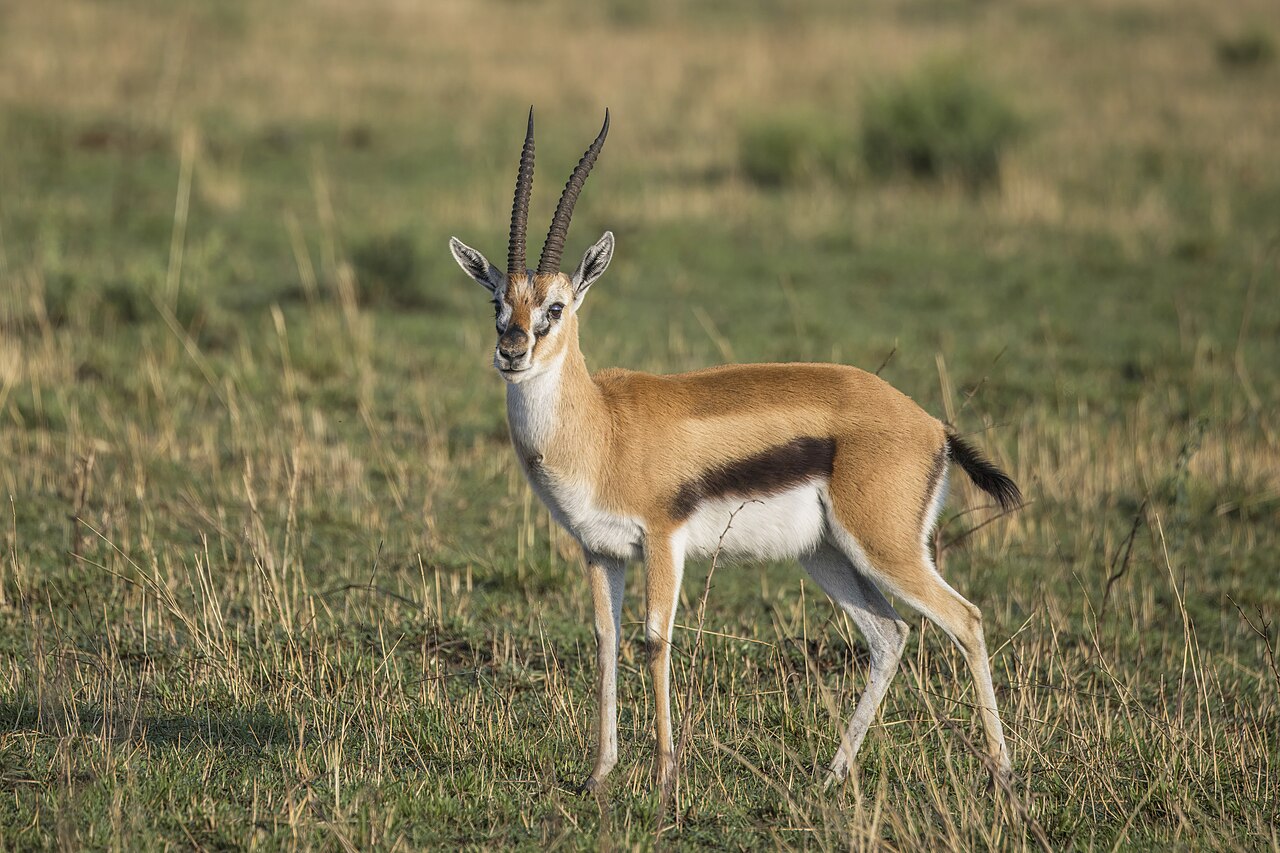
7-day simiyu plains short — thomson's gazelle, grant's gazelle, impala in Simiyu open grassland.
$10,500 – $12,000
Plan Your White-bearded Wildebeest Hunt
Submit a free enquiry and we'll match you with outfitters who hunt White-bearded Wildebeest in your region.
Sign Up to Enquire Aardwolf
 Abyssinian Bushbuck
 Baboon
 Bat-Eared Fox
 Bay Duiker
 Beisa Oryx