Defassa Waterbuck Hunting
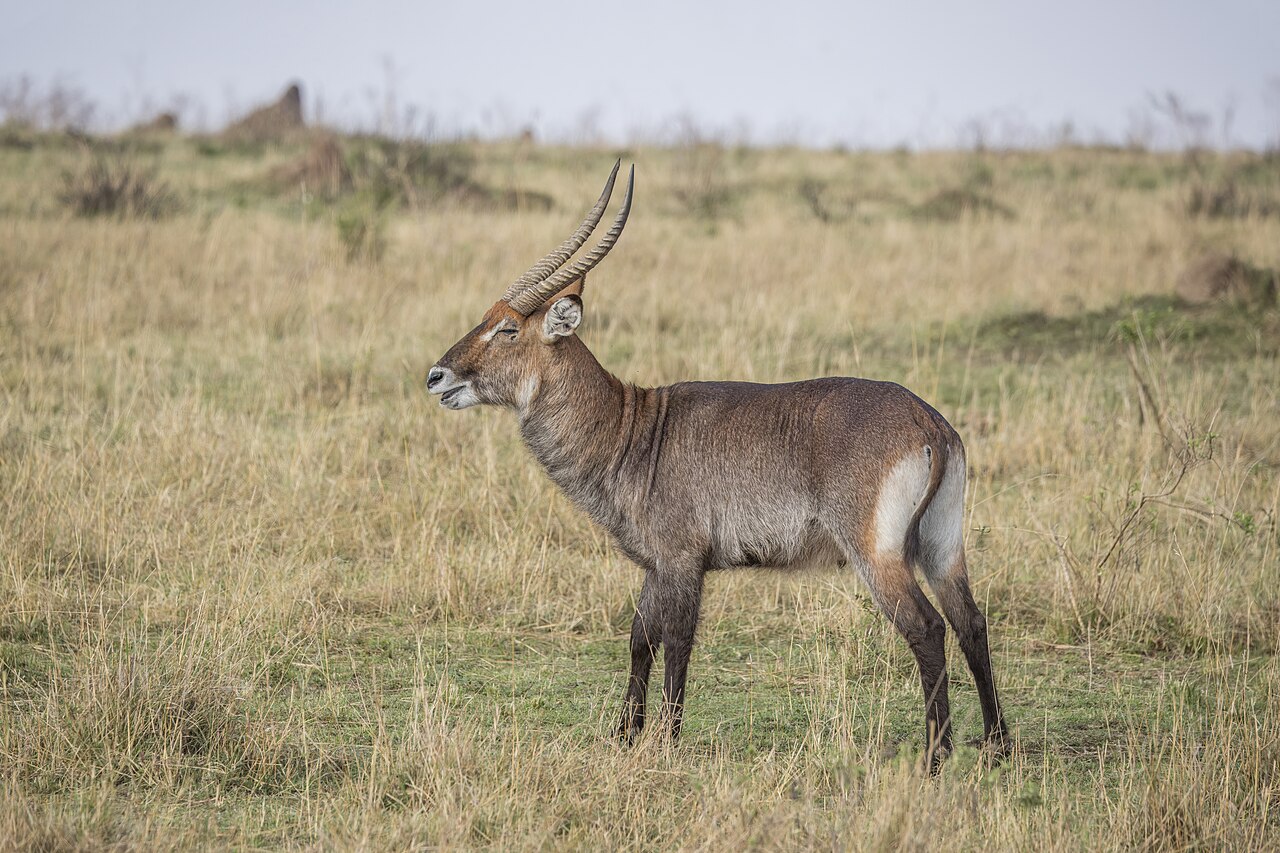
Kobus ellipsiprymnus defassa
The Defassa Waterbuck is a large, robust antelope prized by hunters for its impressive horns and challenging pursuit in African bush. Adult males typically stand 47 to 53 inches at the shoulder and weigh 450 to 600 pounds, while females are smaller at 350 to 450 pounds and lack horns. Their long, coarse coat ranges from reddish-brown to dark gray, featuring a distinctive white rump patch that sets them apart from the common waterbuck. Males grow long, heavily ridged, backward-curving horns that often measure 28 to 40 inches, making them a highly sought trophy. These animals prefer habitats close to permanent water such as floodplains, riverine woodlands, and grasslands near lakes or marshes. They are primarily grazers feeding on grasses and need daily water access. Herds usually consist of females and young with a territorial male, and they are strong swimmers that often retreat into water when threatened. They tend to be most active at dawn and dusk and can prove wary and vocal. The Defassa Waterbuck ranges across West, Central, and parts of East Africa from Senegal eastward to Ethiopia and south to Zambia and Angola. Hunters commonly encounter them on safari in Tanzania, Zambia, Namibia, and similar destinations. For hunters this species offers a rewarding challenge due to its preference for dense cover near water and its toughness. Accurate shot placement is critical as wounded animals can be aggressive. The species is listed as Least Concern overall, and licensed hunting helps fund habitat conservation and anti-poaching work in many range countries.
Hunt facts
- Countries
- Angola Tanzania Uganda Zambia
- Hunt regions
-
Angola: Cuando Cubango MoxicoTanzania: Katavi Rukwa Singida TaboraUganda: Central Northern WesternZambia: Central Eastern Muchinga North-Western Southern
- Habitat
- Woodland Wetland Riverine
- Best time to hunt
- May–October (Dry season)
- Mass
- 200–270 kg (441–595 lb)
- Trophy minimum
-
- SCI (inches): 67
- SCI bow: 60
- Rowland Ward (inches): 28
- Rowland Ward record: 39 3/8
Same operator-table waterbuck row as common waterbuck; confirm Defassa / Crawshay's
Typical record-book minimums; confirm the current edition with your professional hunter.
Where to Find Defassa Waterbuck
Defassa waterbuck prefer savanna grasslands, floodplains, and open woodlands always close to permanent water such as rivers, lakes, or swamps across eastern and central Africa west of the Rift Valley. Prime hunting destinations include western and northern Tanzania, Uganda, and select concessions in Zambia where populations remain strong and well-managed. The dry season from June through October offers the best chances as herds concentrate around shrinking water sources, simplifying location work. Expect generally flat to gently rolling country with tall grasses, scattered trees, and nearby cover rather than dense forest. Focus searches at dawn and dusk along water edges where tracks, droppings, and territorial males become obvious; they graze openly yet stay near water and rarely wander far from it.
Why Hunt Defassa Waterbuck
The Defassa Waterbuck stands out to hunters as a unique African antelope. It features impressive spiral horns and a distinctive white rump patch. These traits make it a prized trophy. Hunting this animal is challenging because it lives in swampy wetlands and dense cover. Trackers must move quietly through water and tall grass. The waterbuck has sharp senses, so it is not easy to approach. This adds excitement and skill to the hunt. Good reasons exist for hunting Defassa Waterbuck. Legal hunts help manage populations and prevent overpopulation. Fees paid by hunters fund conservation efforts and anti-poaching work. The meat provides food, and the activity supports local communities.
Defassa Waterbuck Hunting Tips
Hunting Defassa waterbuck successfully involves understanding their preference for wetlands and riverine areas in African savannas. The most effective technique is careful stalking during early morning and late afternoon when these animals move between cover and water sources. Approach from downwind using available vegetation for concealment, pausing frequently to scan with quality binoculars.
A . 30-06 Springfield or similar caliber rifle with 180-grain bullets provides sufficient power for clean kills at typical ranges. Place your shot in the heart-lung area immediately behind the shoulder to ensure a humane harvest. Waterbuck have a distinctive oily coat and strong odor that can aid in tracking wounded animals, which often seek water.
The dry season offers the best opportunities as herds gather at remaining waterholes. Avoid mistakes such as shooting at extreme distances or failing to account for their tendency to run into thick cover. Safety is paramount: confirm your target fully, be aware of other potentially dangerous wildlife, carry a first aid kit, and always hunt with experienced local guides who know the terrain and regulations. Follow all local hunting laws to ensure a legal and ethical experience.
Featured Outfitters for Defassa Waterbuck
View all


Hunting Tips & Guides
All tips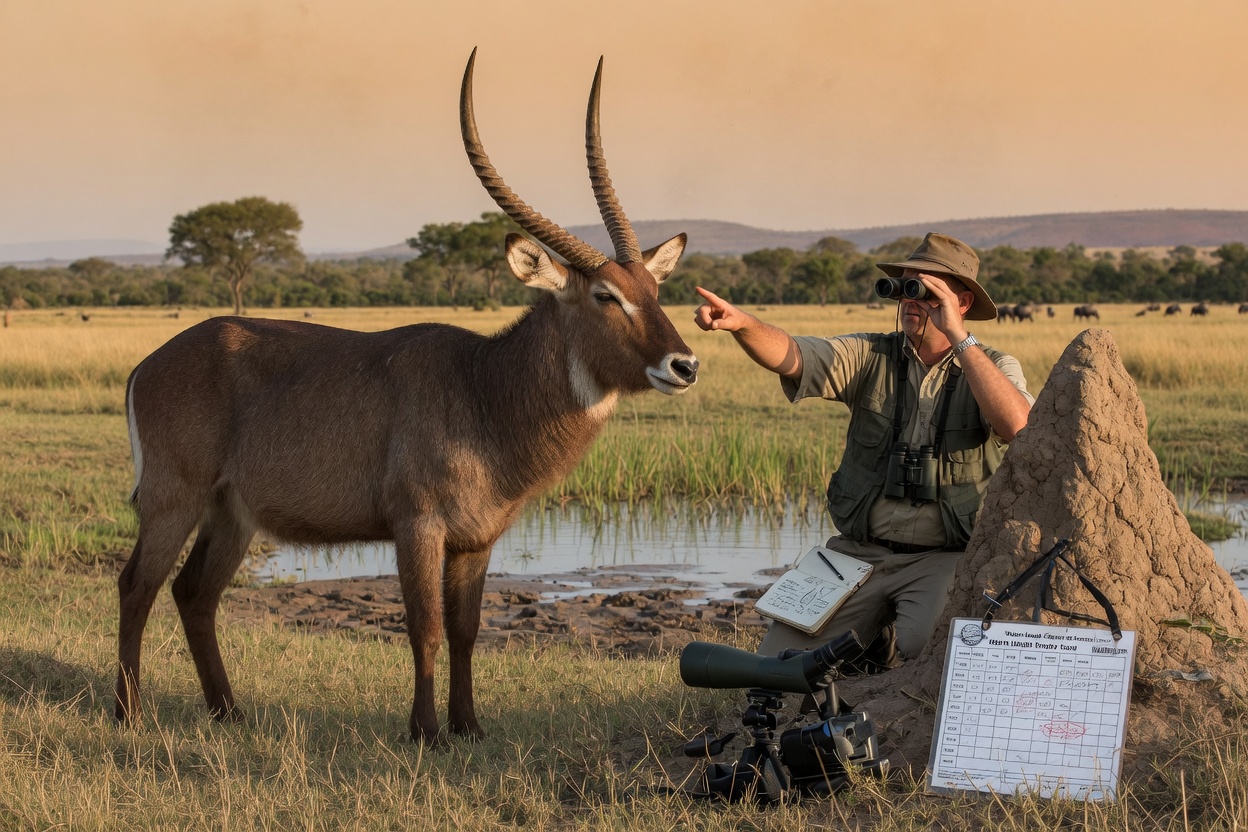
Field Judging Trophy Waterbuck Like a Pro
Master field judging waterbuck trophy quality with expert tips on horns, age, and ethics. Essential guide for African hunters seeking …
Read moreHunt packages with Defassa Waterbuck
Curated hunt ideas — no price on the page. Enquire and we'll match outfitters after review.
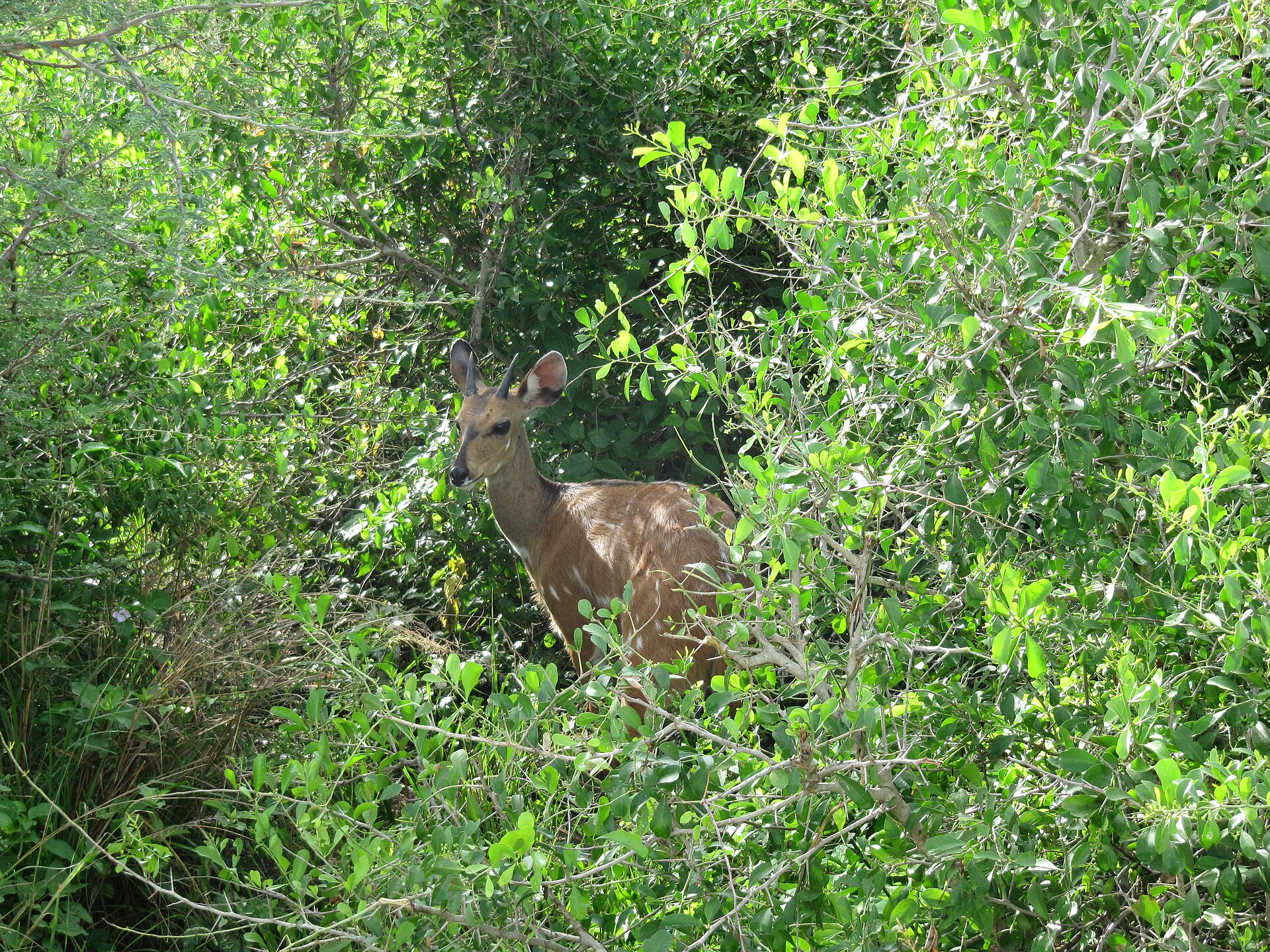
Central Uganda Wetland & Plains — 7 Days
7 days · Uganda
7-day central uganda wetland & plains — bohor reedbuck, bushbuck, warthog in Central Uganda wetland edge.
$8,800 – $10,000
Plan Your Defassa Waterbuck Hunt
Submit a free enquiry and we'll match you with outfitters who hunt Defassa Waterbuck in your region.
Sign Up to Enquire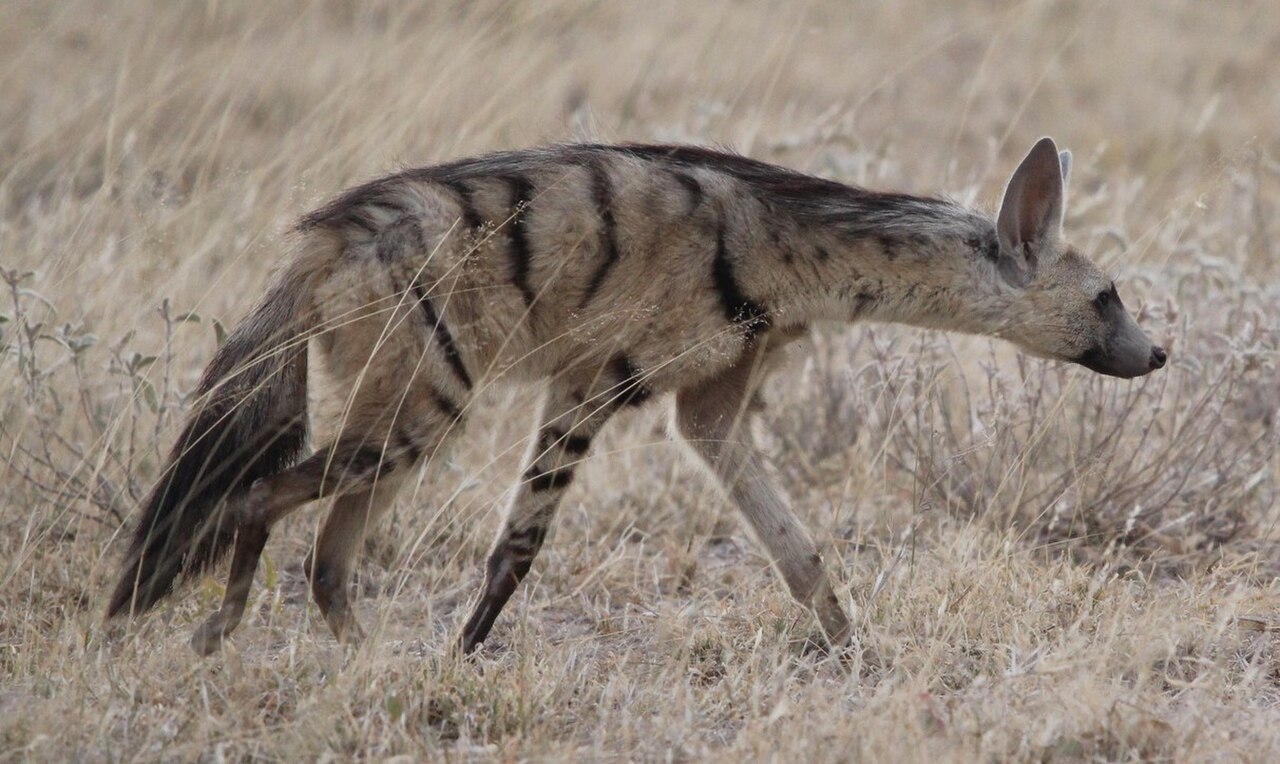 Aardwolf
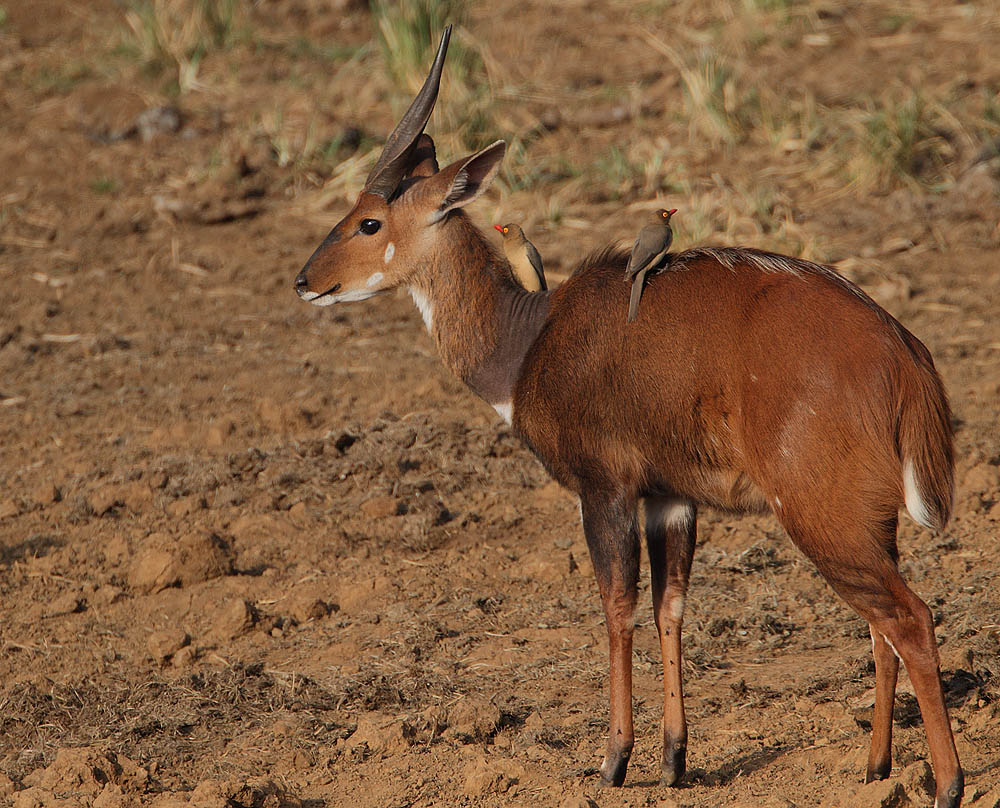 Abyssinian Bushbuck
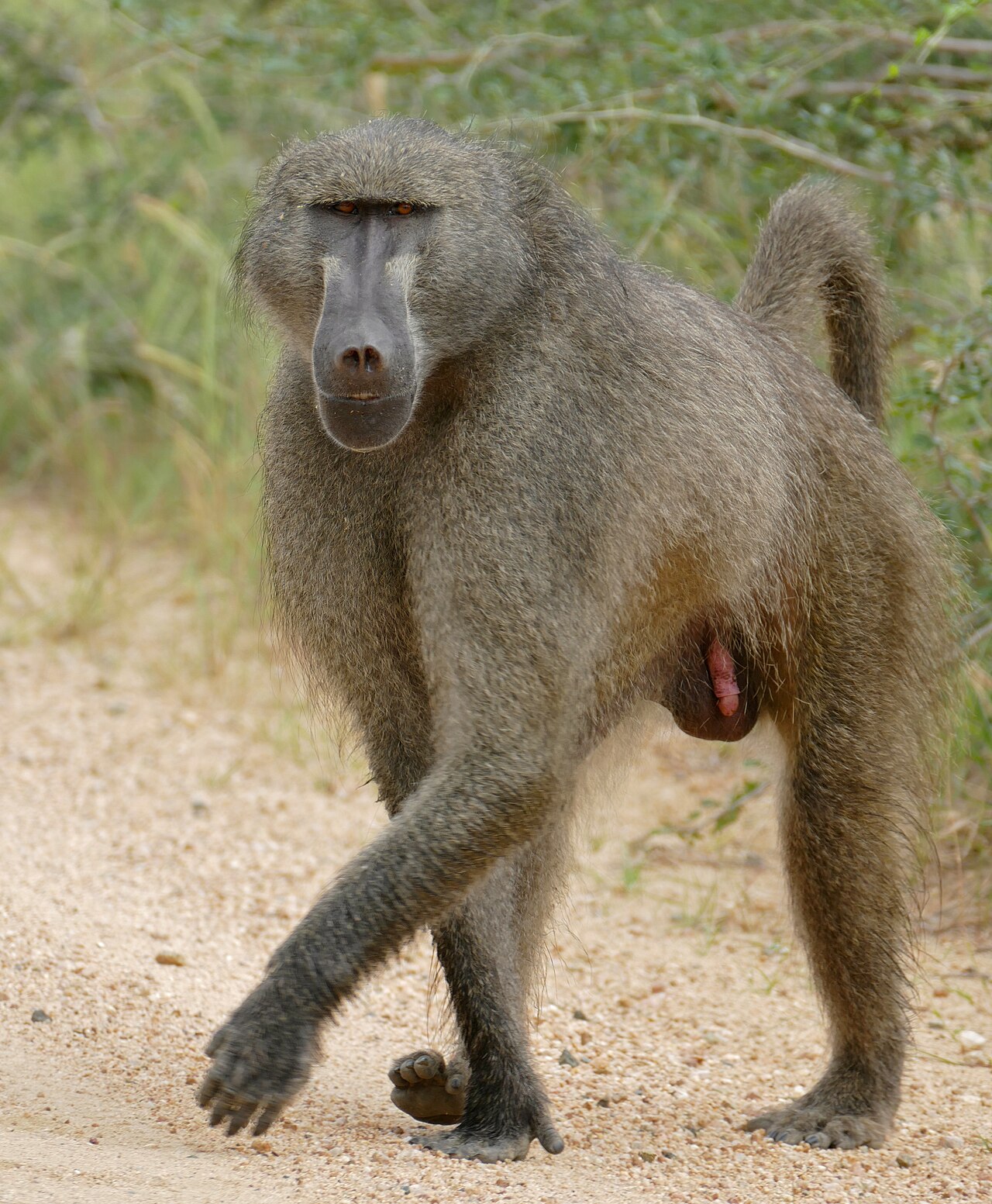 Baboon
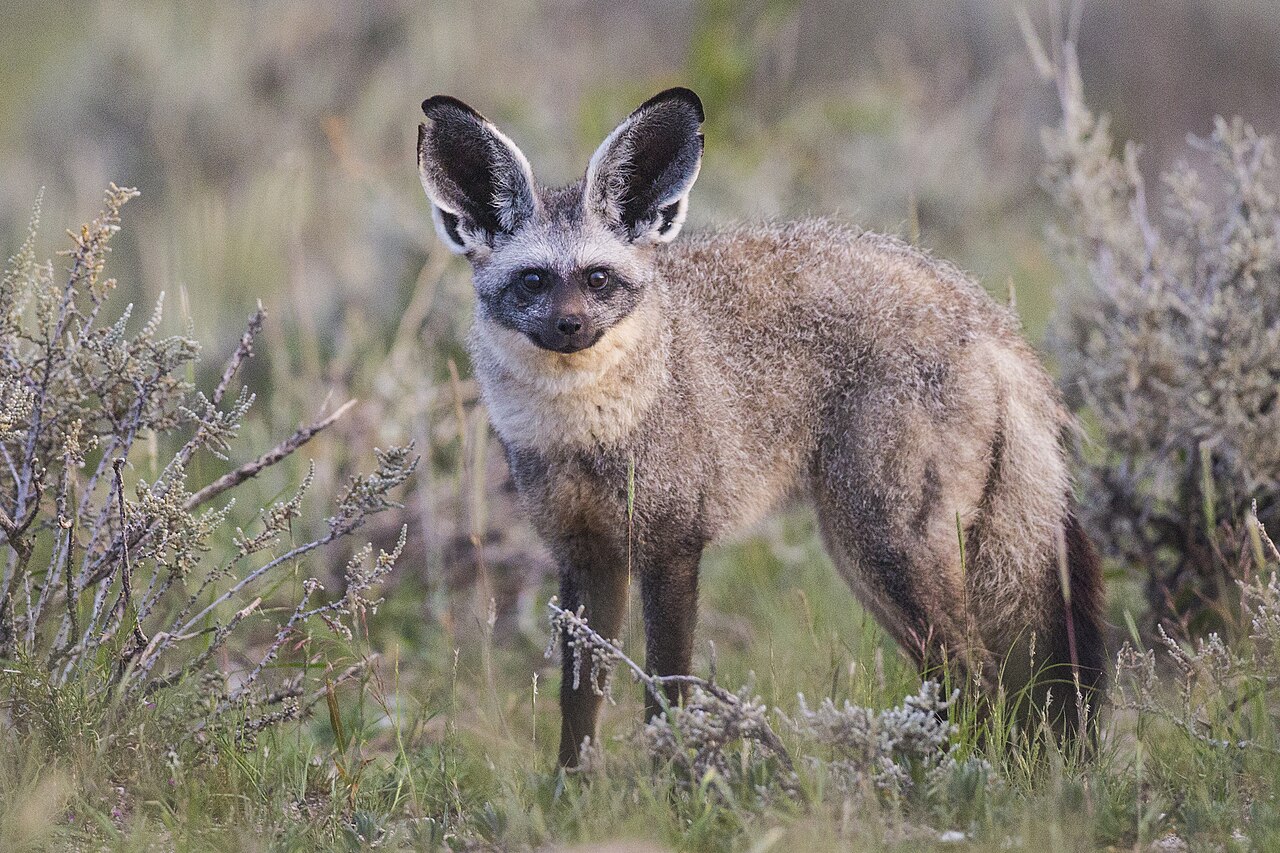 Bat-Eared Fox
 Bay Duiker
 Beisa Oryx