Giraffe Hunting
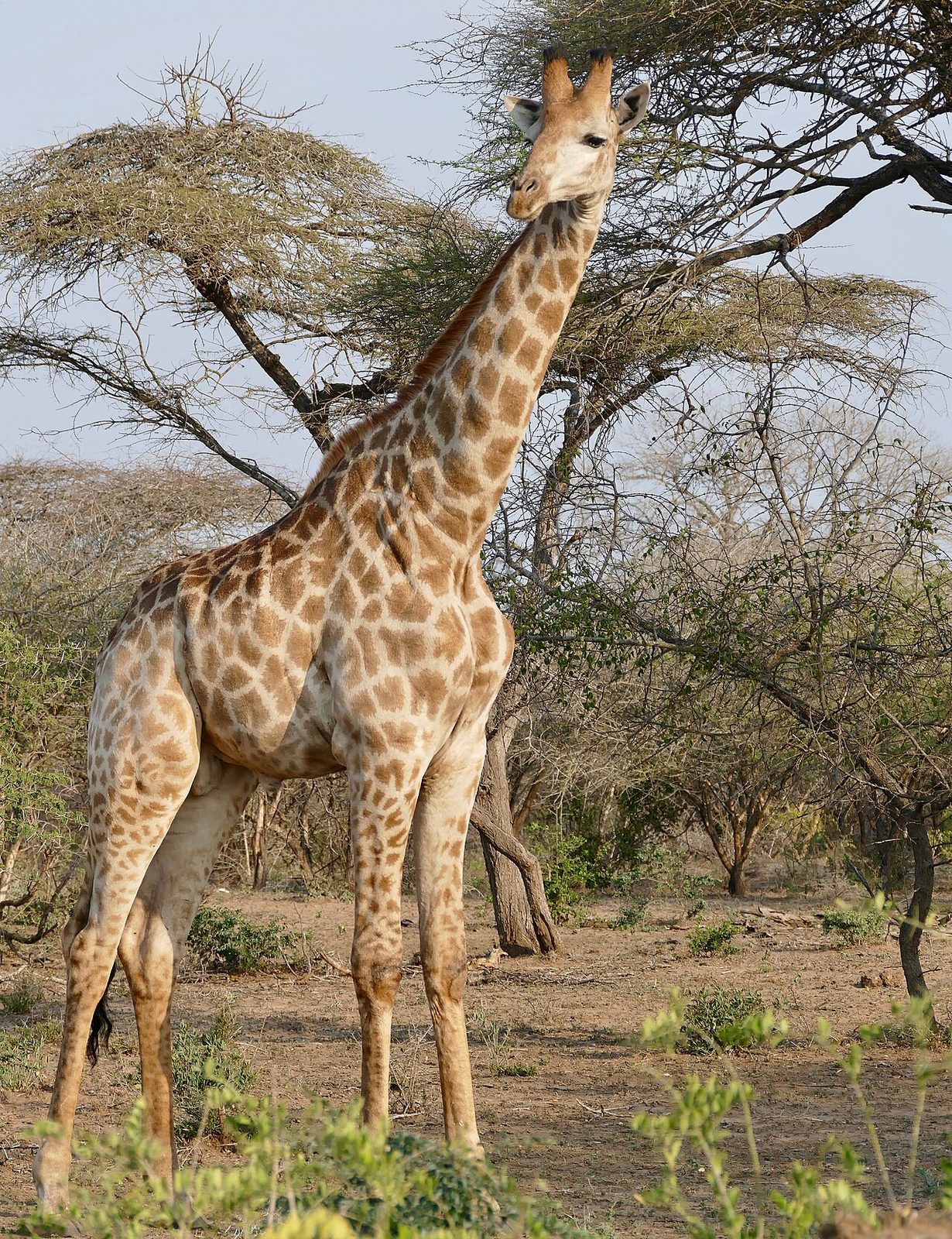
Giraffa camelopardalis
The giraffe (Giraffa camelopardalis) ranks as the tallest land mammal, with adult males reaching 16 to 18 feet in height and weights of 2,400 to 4,200 pounds. Females stand 14 to 16 feet and typically weigh 1,500 to 2,600 pounds. Their long necks, ossicones, and irregular brown patches on a cream-colored coat create an unmistakable silhouette that also provides camouflage among trees. Powerful legs support a unique walking gait and allow short bursts of speed up to 35 mph. These browsers occupy savannas, open woodlands, and grasslands across sub-Saharan Africa, feeding mainly on acacia leaves with their prehensile tongues. They form loose, fluid groups—females and young often together, mature bulls more independent—and rely on exceptional eyesight from their height to detect threats at long range. Populations once stretched across much of Africa but are now fragmented, with the strongest remaining numbers in Kenya, Tanzania, Namibia, Botswana, South Africa, and parts of Zimbabwe. Hunters encounter an animal whose size and vigilance demand careful stalking in open country. The distinctive hide makes striking rugs or wall mounts, and the skull with ossicones is a unique trophy. Where legal under quota systems in southern African countries, giraffe hunts occur as part of managed wildlife programs. The IUCN lists the species as Vulnerable, with declines driven by habitat loss and unregulated killing; well-regulated hunting in stable populations can generate funds for habitat protection and anti-poaching work.
Hunt facts
- Countries
- Angola Botswana Mozambique Namibia South Africa Tanzania Uganda Zambia Zimbabwe
- Hunt regions
-
Angola: Cuando Cubango MoxicoBotswana: Central Chobe Ghanzi Kgalagadi North WestMozambique: Gaza Manica Niassa Sofala Tete ZambeziaNamibia: Erongo Hardap Karas Kavango East Kavango West Khomas Kunene Omaheke Otjozondjupa ZambeziSouth Africa: Gauteng KwaZulu-Natal Limpopo Mpumalanga North WestTanzania: Arusha Katavi Lindi Manyara Morogoro Pwani Rukwa Simiyu Singida TaboraUganda: NorthernZambia: Central Eastern Luapula Muchinga North-Western Southern WesternZimbabwe: Manicaland Mashonaland Central Mashonaland West Masvingo Matabeleland North Matabeleland South Midlands
- Habitat
- Mixed savanna Woodland Bushveld
- Best time to hunt
- May–October (Dry season)
- Mass
- 800–1200 kg (1764–2646 lb)
Where to Find Giraffe
Giraffes are found across the savannas, open woodlands, and acacia-dotted grasslands of sub-Saharan Africa, where they browse on leaves from tall trees. The strongest populations for legal hunting occur in Namibia, South Africa, Zimbabwe, and Botswana, particularly on private conservancies and game farms with managed quotas. These southern African regions offer reliable access through licensed outfitters. The dry season from May through October is ideal, as reduced foliage and concentrated water sources make animals more visible and predictable. Typical terrain includes rolling bushveld plains mixed with scattered thorn trees and mopane woodland, providing long sight lines yet requiring careful stalking. Locate giraffes by scanning skylines at first and last light for their tall silhouettes, then follow fresh tracks, browse-stripped branches, and large dung piles. Local professional hunters know the specific concessions and movement patterns, greatly improving success while staying within legal limits.
Why Hunt Giraffe
Giraffes draw dedicated hunters with their unmatched stature and distinctive trophies, from the bony ossicones to the bold geometric hide patterns that create exceptional mounts. Stalking them across open savanna tests every skill because of their superb eyesight and height, delivering a high-adrenaline challenge few other species can match.
The lean meat is flavorful and versatile, often enjoyed in traditional African preparations. Giraffes carry deep cultural meaning across the continent, linking modern hunts to long-standing heritage. The experience itself is unforgettable: watching these graceful giants move through wild landscapes and sharing the campfire stories that follow.
Regulated hunting generates fees that fund habitat protection and anti-poaching work, supporting giraffe populations where they live.
Giraffe Hunting Tips
Giraffe hunting demands patience and precision given their exceptional eyesight and towering stature. Stalking remains the primary method, using available cover like trees or termite mounds while always approaching from downwind. Move only when the animal’s head is down feeding and freeze immediately if it looks your way.
A minimum of . 375 H&H Magnum or equivalent with premium solid or bonded bullets is required to penetrate the thick hide and heavy bone. A quality riflescope and shooting sticks help with the often longer shots.
Place the shot in the heart-lung zone immediately behind the shoulder, remembering the chest cavity sits higher than on most game. Avoid head or neck shots due to the massive vertebrae.
Track by following the distinctive large cloven prints and browse sign. Glass constantly from elevated positions.
Early morning and late afternoon during the dry season offer the best visibility and animal movement.
Never underestimate the distance or try a running shot. Always confirm legal status and hunt only with a licensed professional hunter. Keep a safe distance from a wounded giraffe, as they can deliver powerful kicks, and stay alert for other dangerous game in the area.
Featured Outfitters for Giraffe
View all

Hunting Tips & Guides
All tips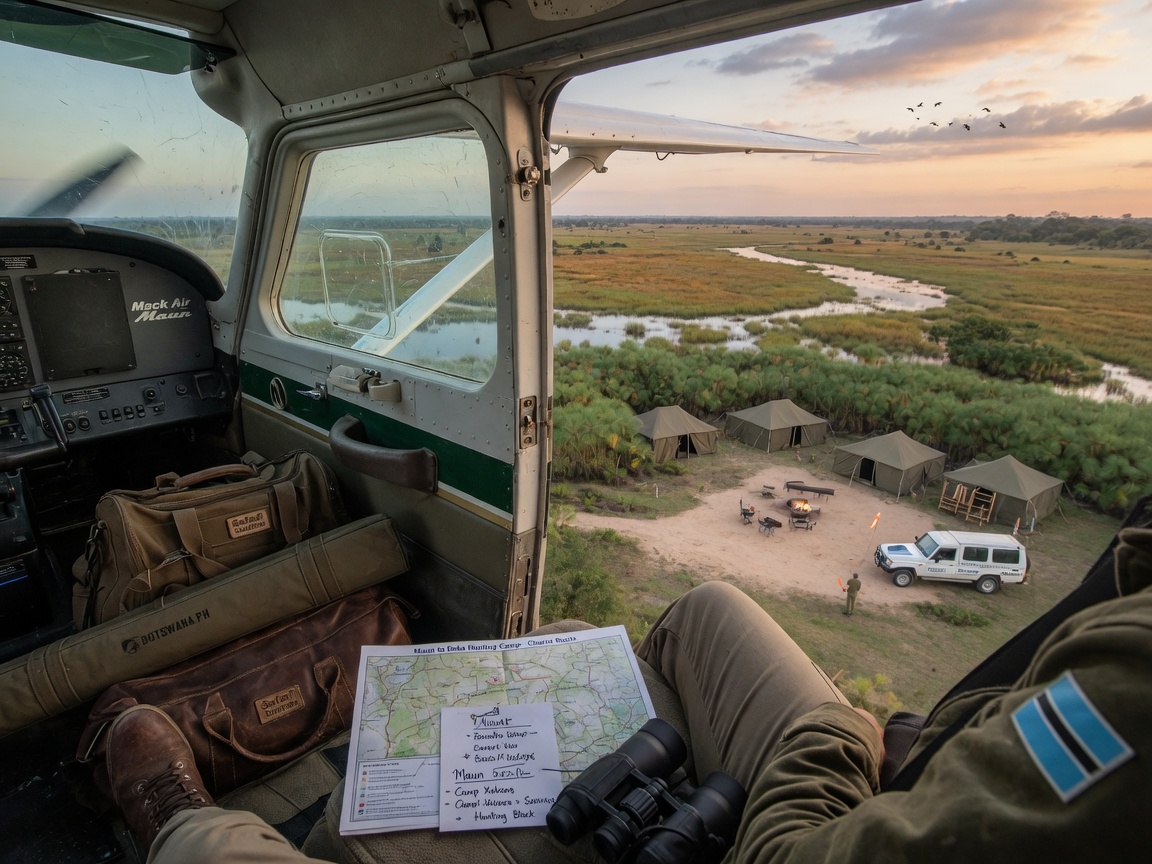
Fly from Maun to Botswana Hunting Camps Guide
Explore charter flight options from Maun to remote Botswana hunting camps. Get tips on booking, costs, aircraft, and ethical fly-in …
Read moreHunt packages with Giraffe
Curated hunt ideas — no price on the page. Enquire and we'll match outfitters after review.
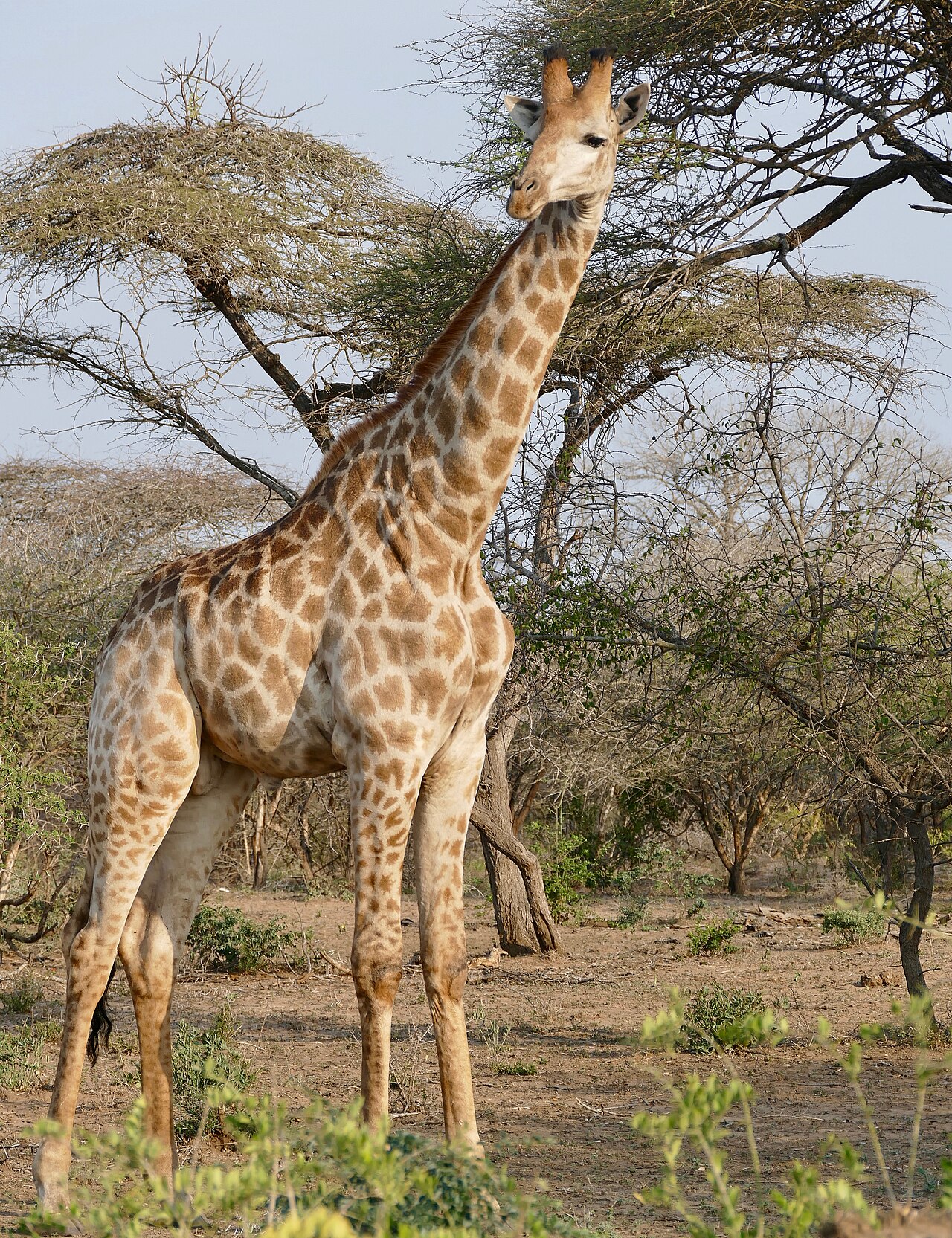
Northern Cape Giraffe Plains — 7 Days
7 days · South Africa
7-day northern cape giraffe plains — giraffe, gemsbok, springbok in Northern Cape Kalahari fringe.
$11,000 – $12,500
Plan Your Giraffe Hunt
Submit a free enquiry and we'll match you with outfitters who hunt Giraffe in your region.
Sign Up to Enquire Aardwolf
 Abyssinian Bushbuck
 Baboon
 Bat-Eared Fox
 Bay Duiker
 Beisa Oryx