Puku Hunting
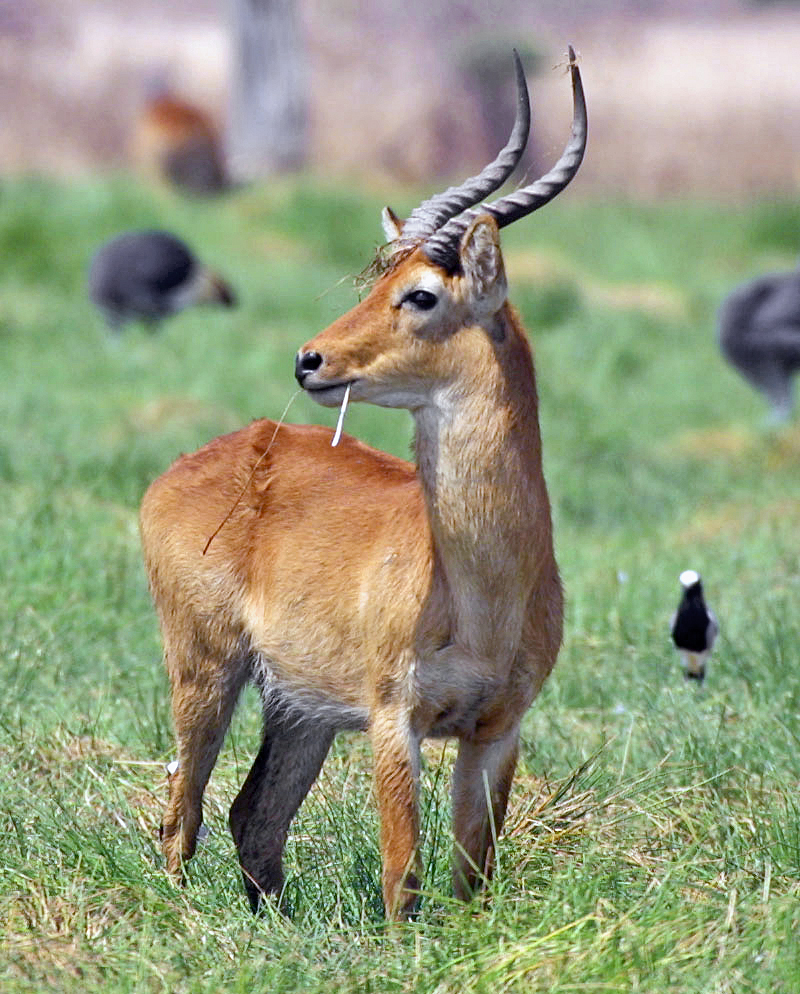
Kobus vardonii
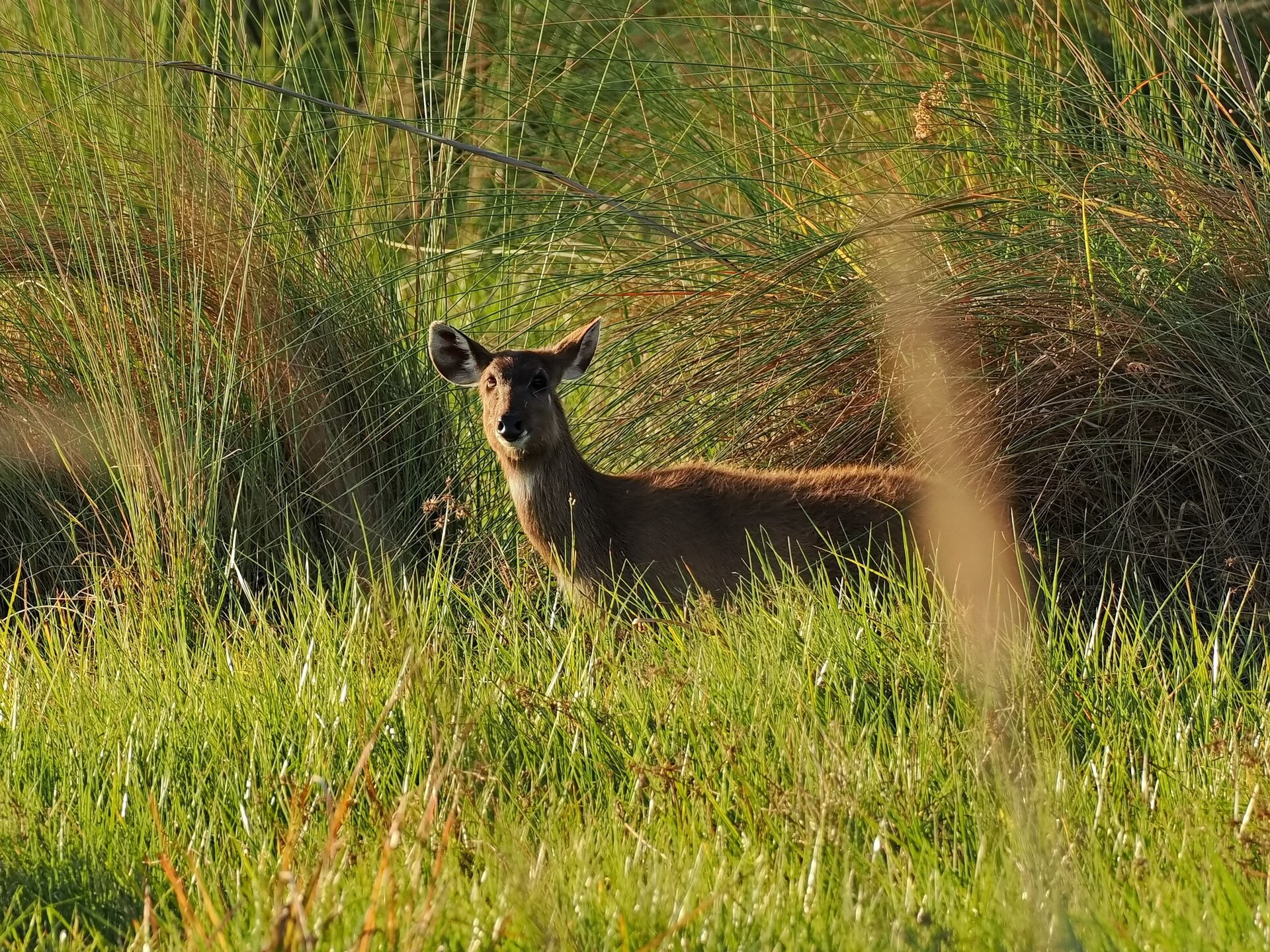
The puku (Kobus vardonii) is a handsome medium-sized antelope that captivates hunters with its golden coat and challenging wetland habitat. Males typically stand 80 centimeters at the shoulder and weigh 70 to 90 kilograms, featuring a rich yellowish-brown pelage with white undersides and a white facial blaze. Their distinctive lyre-shaped horns, measuring 40 to 54 centimeters, curve backward before sweeping forward, providing an excellent trophy. Females are smaller, hornless, and slightly paler. These antelope favor floodplains, grassy dambos, and areas near rivers and lakes in south-central Africa. Their range includes Zambia, where the majority reside, as well as northern Botswana, the Caprivi region of Namibia, Angola, southwestern Tanzania, and parts of the Democratic Republic of Congo. Puku live in herds, with females and young grouping together while territorial males patrol their domains. They are primarily grazers, active during daylight hours, and known for their wariness, often bounding away with a characteristic bouncing gait when alarmed. Hunters seek puku for the unique experience of pursuing them in marshy terrains that demand patience, stealth, and knowledge of the landscape. The combination of attractive horns and the animal's alert behavior makes for a rewarding hunt. Though classified as Near Threatened due to habitat loss and unregulated hunting, sustainable trophy hunting in licensed concessions helps fund conservation and community benefits, ensuring the species' future.
Hunt facts
- Countries
- Botswana Namibia Tanzania Zambia
- Hunt regions
-
Botswana: Chobe North WestNamibia: Kavango East Kavango West ZambeziTanzania: Katavi Lindi Morogoro Pwani Rukwa Singida TaboraZambia: Eastern Muchinga North-Western Western
- Habitat
- Grassland Wetland Riverine
- Best time to hunt
- May–October (Dry season)
- Mass
- 70–90 kg (154–198 lb)
- Trophy minimum
-
- SCI (inches): 45
- SCI bow: 40
- Rowland Ward (inches): 17
- Rowland Ward record: 22 1/8
Typical record-book minimums; confirm the current edition with your professional hunter.
Where to Find Puku
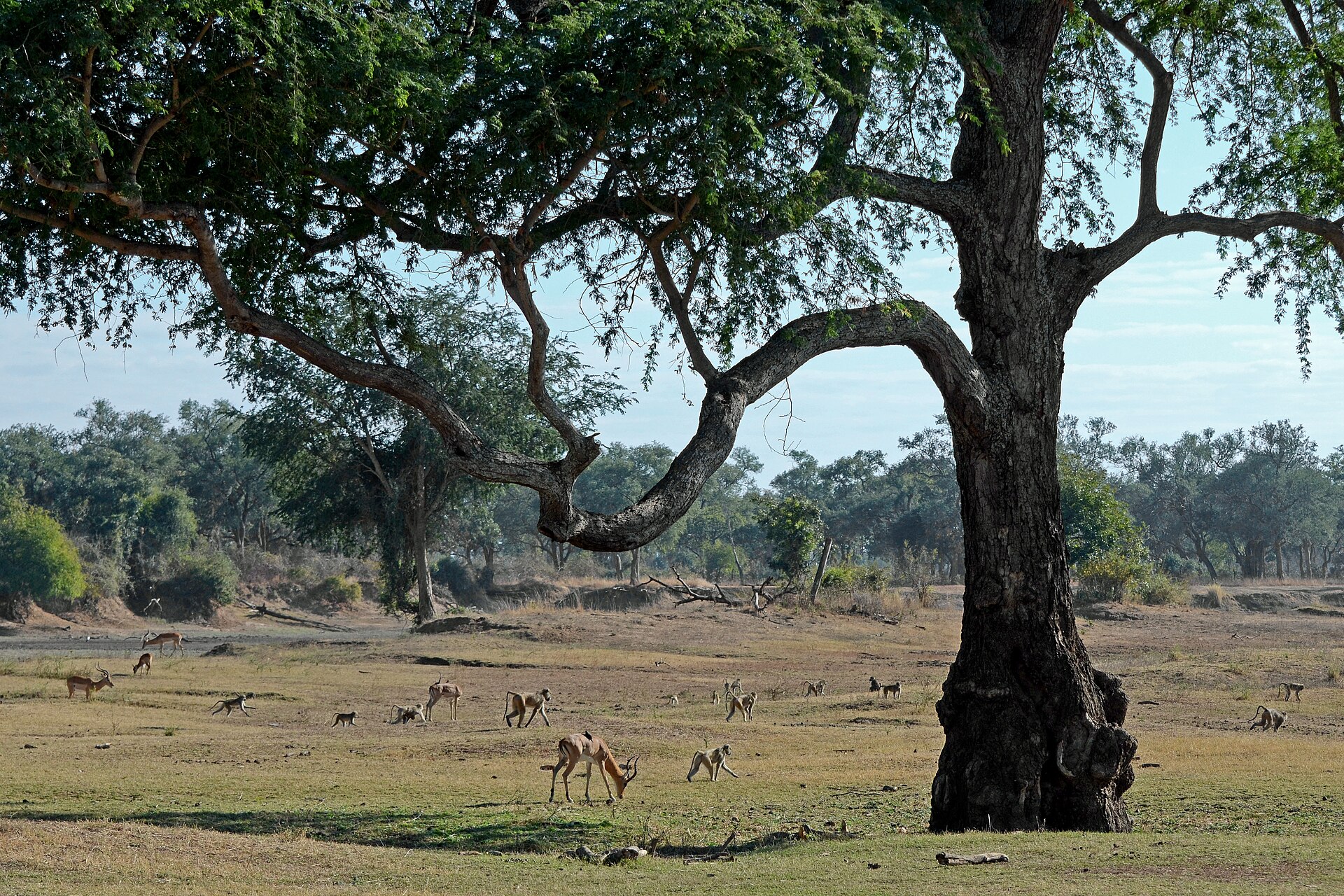
Puku inhabit floodplains, dambos and riverine grasslands across south-central Africa, always staying close to water and short green grass. Zambia remains the top destination, with strong populations in Kafue, the Luangwa Valley and surrounding hunting concessions. Tanzania and Angola also hold huntable numbers in similar wetland habitats. The dry season from June through October concentrates animals around shrinking water sources and offers the most reliable hunting. Expect open grassy plains mixed with shallow channels, reed beds and occasional woodland edges that allow both walking and vehicle approaches. Search river edges and remaining wet patches at first and last light when herds of a dozen or more animals graze in the open; fresh tracks and local trackers quickly pinpoint the best spots.
Why Hunt Puku
Hunters pursue the puku for its striking trophy qualities, with mature rams displaying elegant lyre-shaped horns that curve backward in a distinctive form, paired with a rich chestnut coat that creates an impressive mount. The hunt delivers real challenge and excitement in floodplain grasslands and wetlands, where wary animals demand patient stalking through tall grass and wet ground that tests skill and endurance. Puku meat is lean, tender and flavorful, comparable to quality venison and excellent for steaks or traditional dishes. This species connects to African traditions of sustainable wildlife use in local communities. Regulated hunting generates fees that fund habitat protection, anti-poaching work and community programs, helping conserve puku populations. The experience stands out through time spent in scenic African wetlands filled with birds and other game, offering an authentic and memorable safari adventure.
Puku Hunting Tips
Puku inhabit the floodplains and marshy areas of south-central Africa. Successful hunting relies on spot-and-stalk tactics. Use binoculars to locate animals grazing near water then close in slowly using reeds and tall grass for concealment while always keeping the wind in your favor. They are most active in the cooler parts of the day.
A quality rifle in . 270 Winchester, . 308 Winchester or . 30-06 Springfield paired with a reliable scope works well for these medium-sized antelope. Waterproof boots, clothing and a good pair of binoculars complete the essential kit. Shot placement should target the heart and lungs just behind the shoulder. Because puku often stand in water or tall grass, wait for a clear broadside or slight quartering-away presentation.
Follow fresh tracks in the mud and pay attention to their sharp whistling alarm calls. The dry season concentrates them around shrinking water sources making location easier. Avoid common errors such as stalking with the wind at your back, taking hurried shots at moving animals, or underestimating distances in the open floodplain. Never shoot unless you have a safe backstop.
Wetland hunting carries extra risks including crocodiles, hippos and venomous snakes. Hunt with an experienced professional hunter, stay alert, and carry a first-aid kit along with malaria prophylaxis. Ethical hunting and respect for the habitat ensure sustainable populations.
Featured Outfitters for Puku
View all



Hunting Tips & Guides
All tips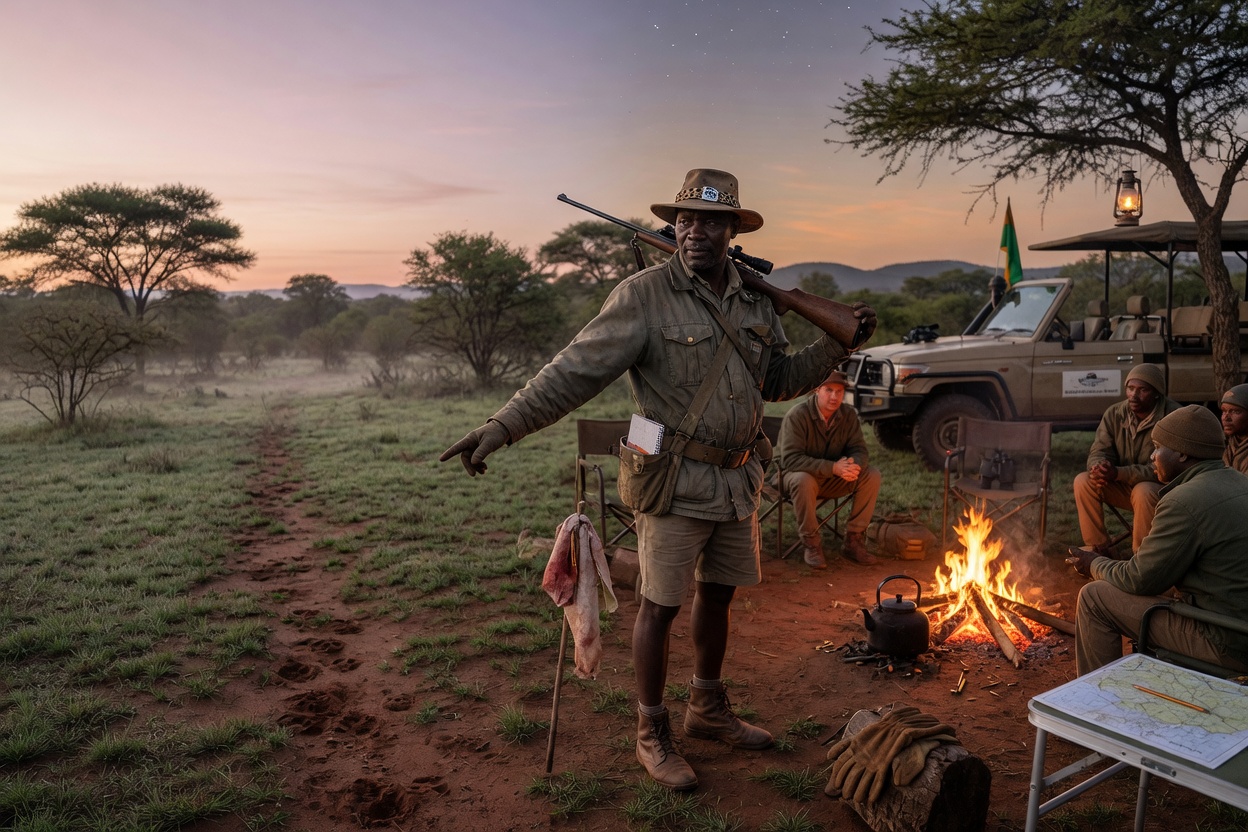
Dawn to Dusk: A Zambian Professional Hunter's Day
Follow a licensed Zambian professional hunter from pre-dawn tracking to campfire stories, exploring ethics, conservation, and safari life in Africa.
Read moreHunt packages with Puku
Curated hunt ideas — no price on the page. Enquire and we'll match outfitters after review.
Kafue Plains — 10 Days
10 days · Zambia
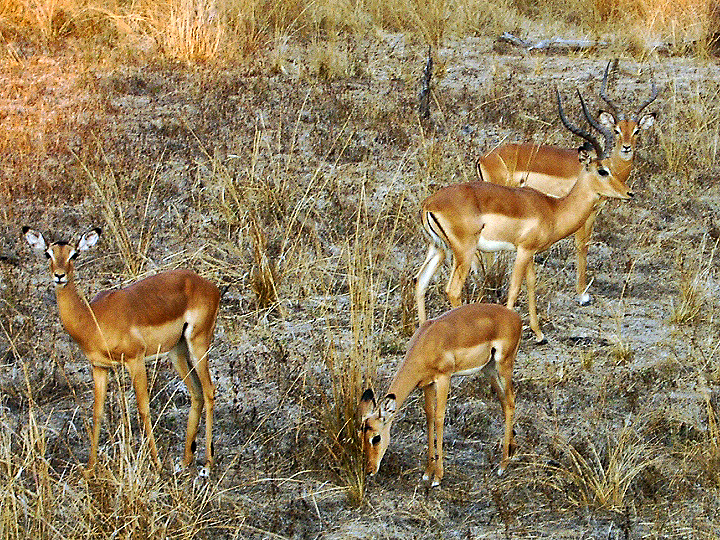
Ten days Kafue plains — impala, puku, hartebeest, warthog and reedbuck.
$14,500 – $16,000
 Featured
Luangwa Buffalo — 14 Days
14 days · Zambia
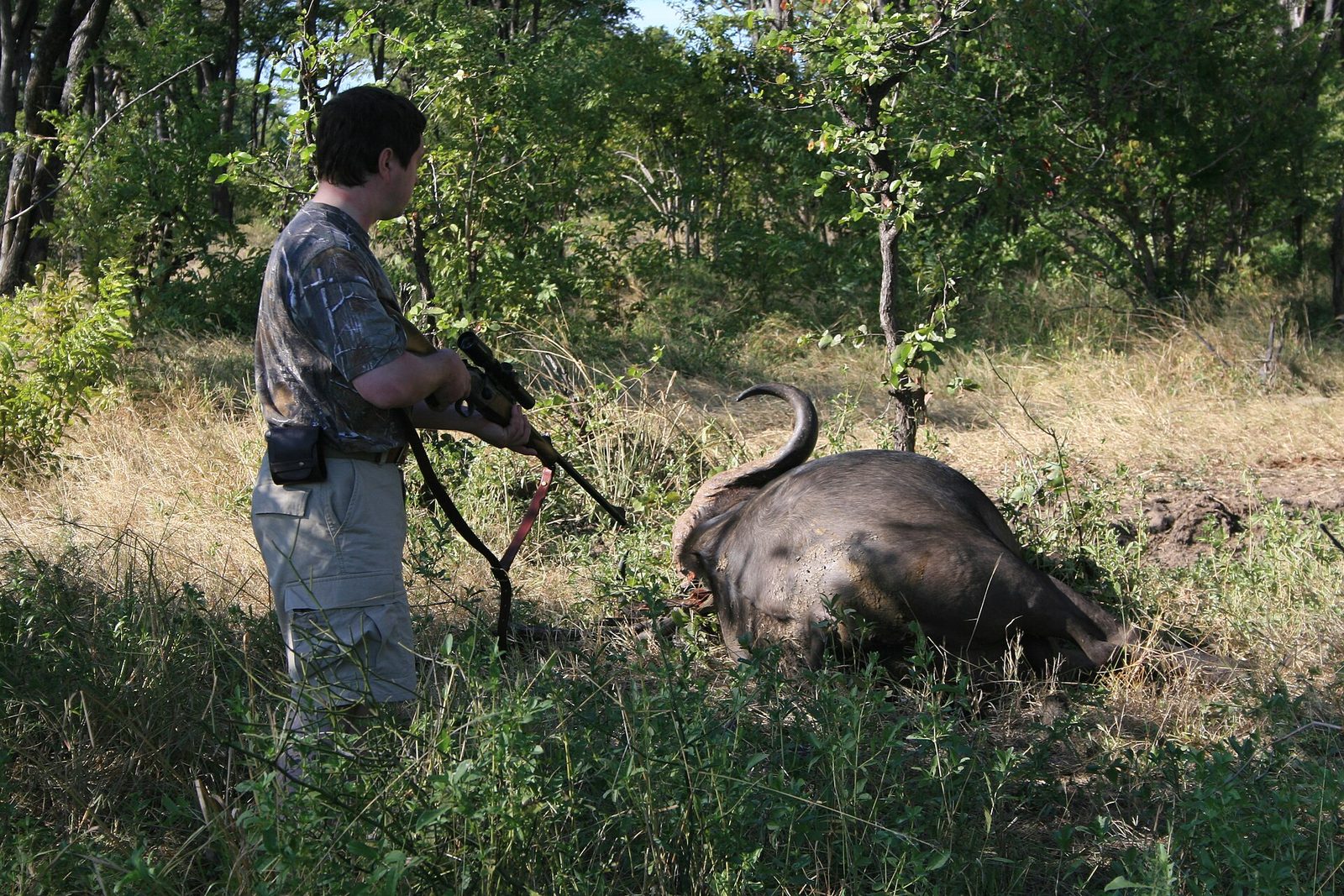
Fourteen days South Luangwa — buffalo with impala, puku and waterbuck.
$28,500 – $31,500
Okavango Sitatunga — 8 Days
8 days · Botswana
8-day okavango sitatunga — sitatunga, red lechwe, puku in North West Okavango swamp fringe.
$13,500 – $15,500
Muchinga Luangwa Plains — 10 Days
10 days · Zambia
10-day muchinga luangwa plains — impala, puku, warthog in Muchinga / North Luangwa fringe.
$12,500 – $14,500
Central Bow Plains — 8 Days
8 days · Zambia
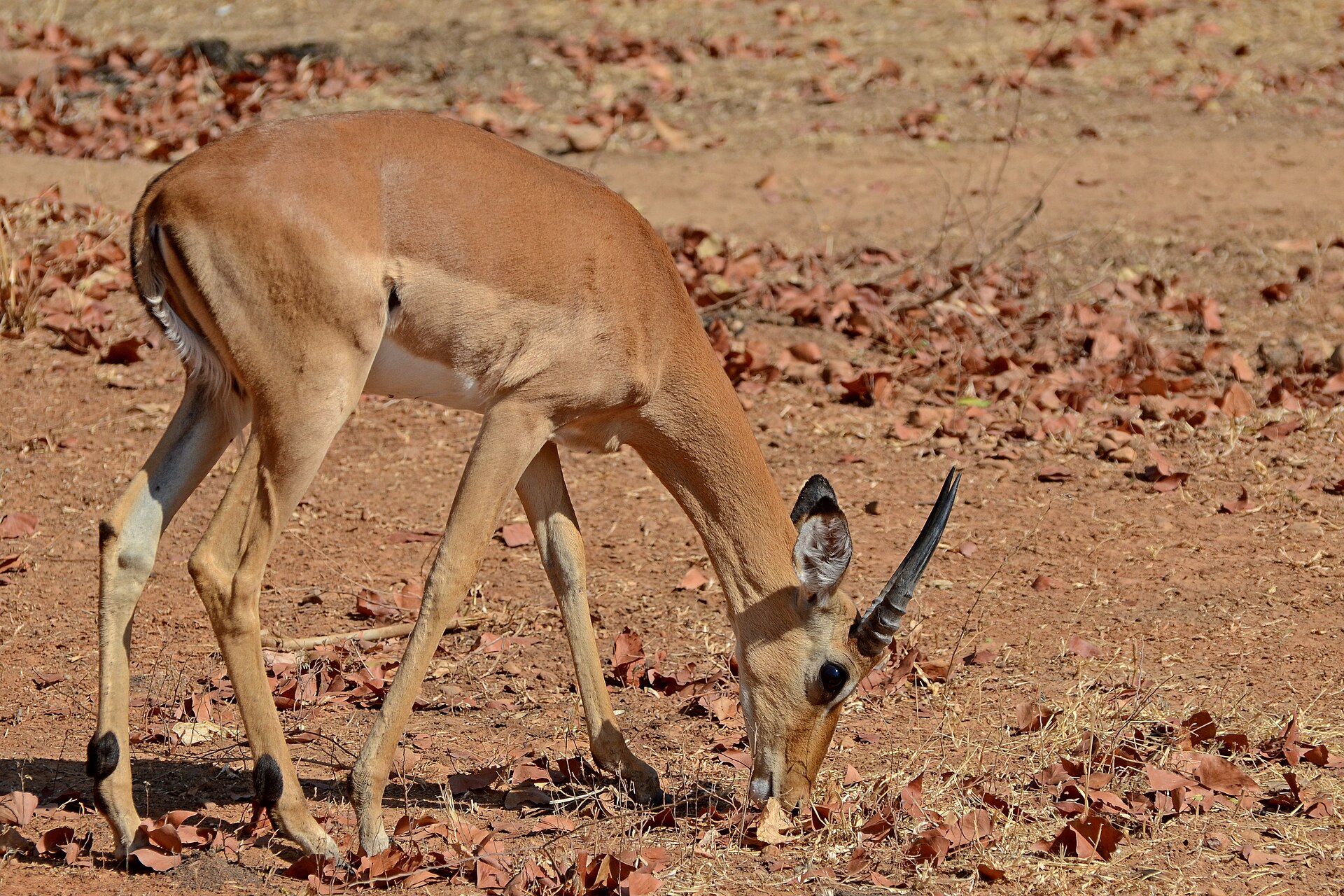
8-day central bow plains — impala, warthog, puku in Central Zambia woodland (bow).
$9,800 – $11,200
Plan Your Puku Hunt
Submit a free enquiry and we'll match you with outfitters who hunt Puku in your region.
Sign Up to Enquire Aardwolf
 Abyssinian Bushbuck
 Baboon
 Bat-Eared Fox
 Bay Duiker
 Beisa Oryx