Sitatunga Hunting
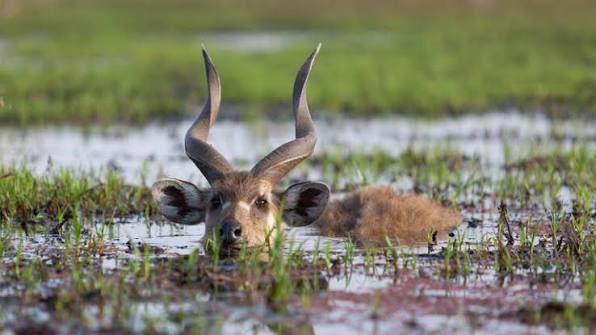
Tragelaphus spekii
The sitatunga, or Tragelaphus spekii, is a remarkable wetland antelope that captivates hunters with its elusive nature and specialized adaptations. Males stand 80 to 125 centimeters at the shoulder and weigh 80 to 130 kilograms, sporting dark brown to grayish coats with white facial patches and impressive spiral horns measuring 50 to 90 centimeters. Females are lighter, reddish-brown with white stripes, weighing 40 to 85 kilograms, and lack horns. Both have uniquely splayed, elongated hooves designed for traversing muddy swamps without sinking. These antelope inhabit dense papyrus swamps, marshes, and riverine forests throughout much of sub-Saharan Africa, from West Africa including Senegal and Cameroon, through the Congo Basin, to Zambia, Botswana, and isolated populations in East Africa. Highly secretive and mostly nocturnal, sitatunga are superb swimmers that can submerge completely except for their nostrils to escape danger. They feed on aquatic vegetation, grasses, and leaves, remaining concealed in thick cover during daylight hours. For hunters, the sitatunga represents one of Africa's most challenging trophies due to the difficult swamp habitat that demands boats, wading, and exceptional patience. The hunt often involves spotting from water or tracking in dense vegetation, rewarding successful pursuers with a unique spiral-horned trophy. Conservation-wise, the sitatunga is classified as Least Concern by the IUCN Red List, though some populations are declining due to wetland drainage and human encroachment, underscoring the role of sustainable hunting in habitat protection.
Hunt facts
- Countries
- Angola Botswana Mozambique Namibia Tanzania Uganda Zambia Zimbabwe
- Hunt regions
-
Angola: Cuando Cubango MoxicoBotswana: Chobe North WestMozambique: ZambeziaNamibia: Kavango East Kavango West ZambeziTanzania: Katavi Rukwa Singida TaboraUganda: WesternZambia: Luapula North-Western WesternZimbabwe: Matabeleland North
- Habitat
- Wetland Riverine
- Best time to hunt
- June–October (Low water)
- Mass
- 80–130 kg (176–287 lb)
- Trophy minimum
-
- SCI (inches): 60
- SCI bow: 56
- Rowland Ward (inches): 26
- Rowland Ward record: 36 3/8
Typical record-book minimums; confirm the current edition with your professional hunter.
Where to Find Sitatunga
Sitatunga are found in the swampy wetlands of central, eastern, and southern Africa, preferring papyrus swamps, marshes, and flooded riverine areas. Key regions include the Okavango Delta in Botswana, the Bangweulu Swamps in Zambia, and similar habitats in Uganda, DRC, and Tanzania. Botswana and Zambia offer the best hunting opportunities for this species through licensed concessions, with Botswana's Okavango being particularly renowned. Hunting seasons generally run during the drier months from May to October, when access to swamp interiors is more feasible though animals stay in wet zones. The terrain features dense reeds, deep water, mud, and floating vegetation, demanding specialized transport like mokoros or boats. These humid, thickly vegetated environments provide excellent cover. Locate Sitatunga by scanning swamp edges at first and last light. Watch for splayed tracks in mud, trampled paths in papyrus, and listen for water disturbances. Experienced local trackers are invaluable given the animals' shy, aquatic habits.
Why Hunt Sitatunga
Sitatunga live in African swamps. They are special for hunters. The animal can hide in water. Only its nose sticks out. Males have long spiral horns. These make a prized trophy. Hunting them is challenging and fun. You must go through mud and thick plants. Boats are often used. Sitatunga are very hard to see. It takes patience to get a shot. The thrill is high when you succeed. There are good reasons to hunt this species. It supports conservation work. Hunting fees protect the swamps. Local people get jobs and meat. The hunt offers a real adventure in the wild.
Sitatunga Hunting Tips
Sitatunga inhabit dense African swamps and papyrus beds, so successful hunts rely on boats or canoes for silent approaches through flooded areas, combined with patient spot-and-stalk work in shallower marshes or waits from elevated hides near feeding sites. Early morning and late afternoon during the dry season produce the most movement as animals emerge to feed on aquatic plants.
A medium-caliber rifle such as a . 308 Winchester or . 30-06 Springfield with a waterproof scope handles these animals well. Pair it with quality binoculars for glassing thick cover. Place shots on the heart-lung area just behind the shoulder on a broadside presentation, preferably when the animal stands on solid ground rather than in water.
Follow muddy tracks, droppings, and browsed vegetation while moving slowly and watching the wind. Common errors include taking hurried shots in heavy cover, ignoring wind direction, and underestimating how quickly sitatunga can vanish into reeds or submerge. Stay alert for crocodiles and hippos, use insect protection, and hunt only with a licensed professional hunter in legal concessions to remain safe and legal.
Featured Outfitters for Sitatunga
View all



Hunting Tips & Guides
All tips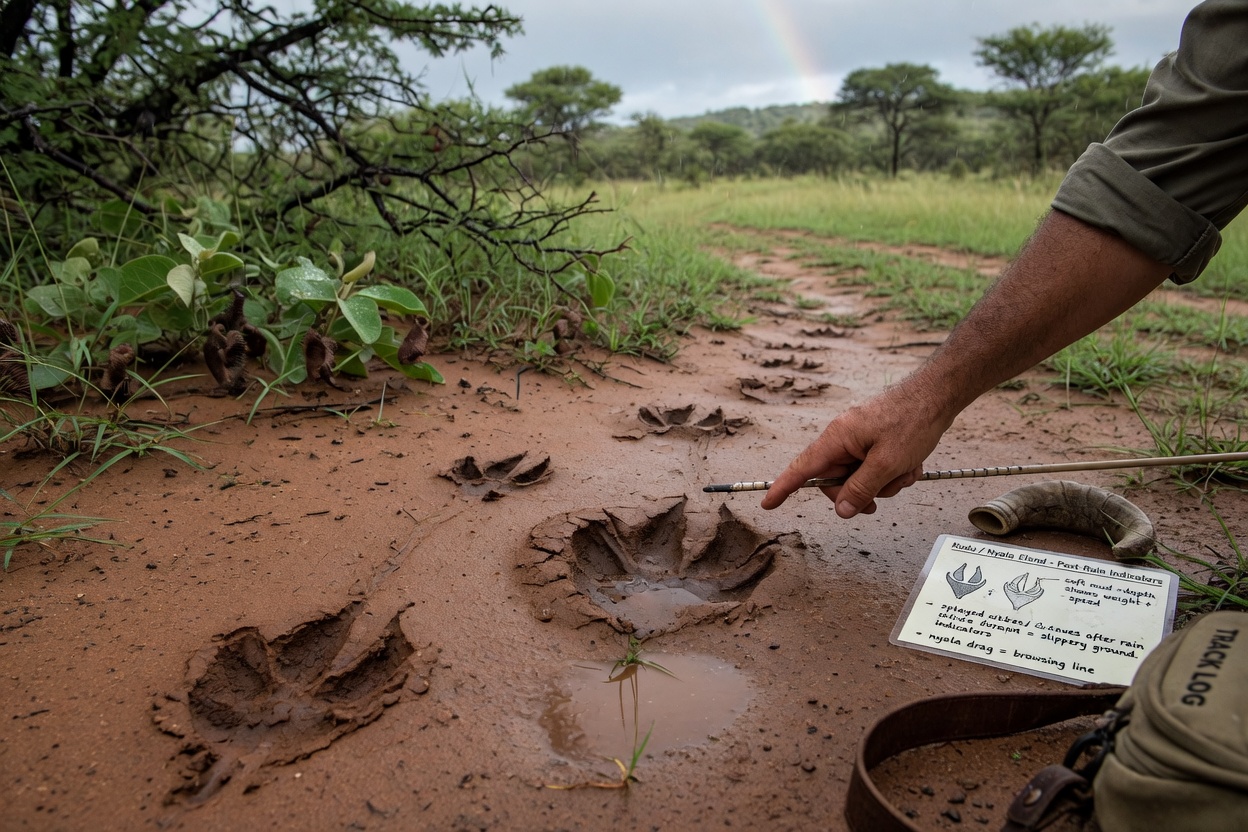
Mastering Tracks of Spiral-Horned Antelope After Rain
Expert hunter's guide to reading spiral-horned antelope tracks after rain. Learn kudu, nyala and eland tracking techniques for ethical African …
Read moreHunt packages with Sitatunga
Curated hunt ideas — no price on the page. Enquire and we'll match outfitters after review.
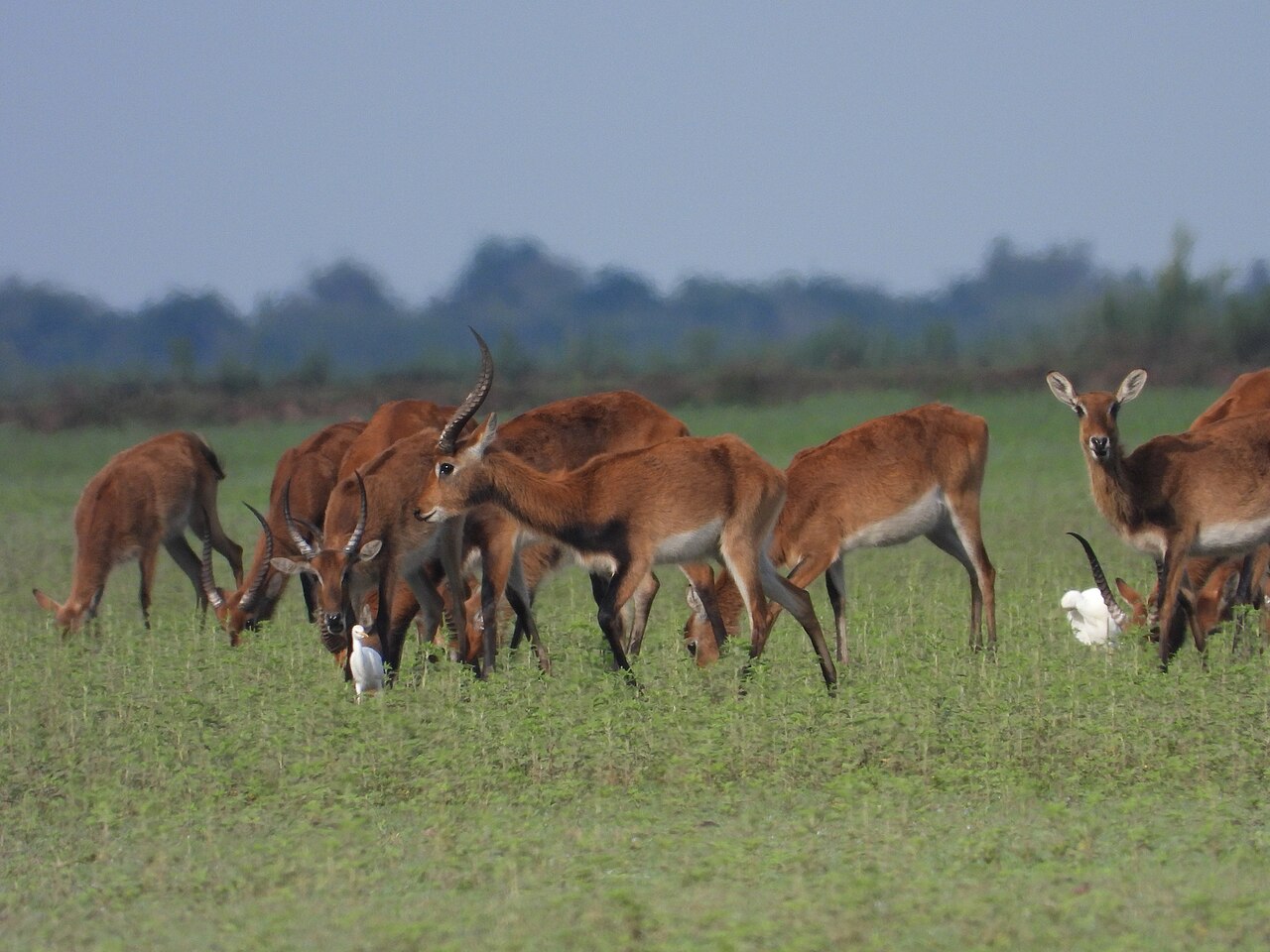
Bangweulu Lechwe — 7 Days
7 days · Zambia
Seven days Bangweulu — black lechwe, tsessebe and sitatunga.
$12,800 – $14,200
Sitatunga Specialty — 7 Days
7 days · Uganda
Seven days wetland specialty — sitatunga, bushbuck and reedbuck.
$11,200 – $12,400
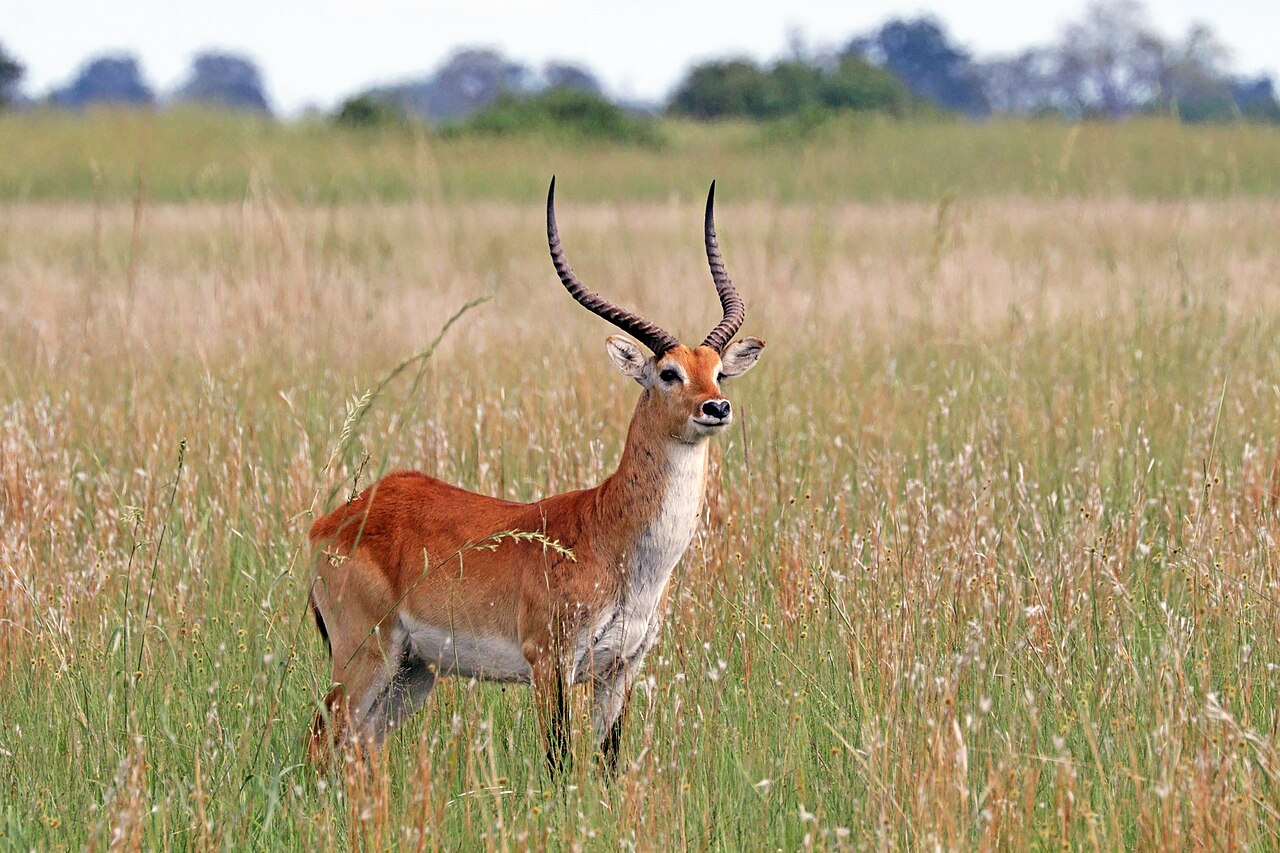
Angola Lechwe — 7 Days
7 days · Angola
Seven days floodplain specialty — red lechwe, sitatunga and reedbuck.
$14,500 – $16,000
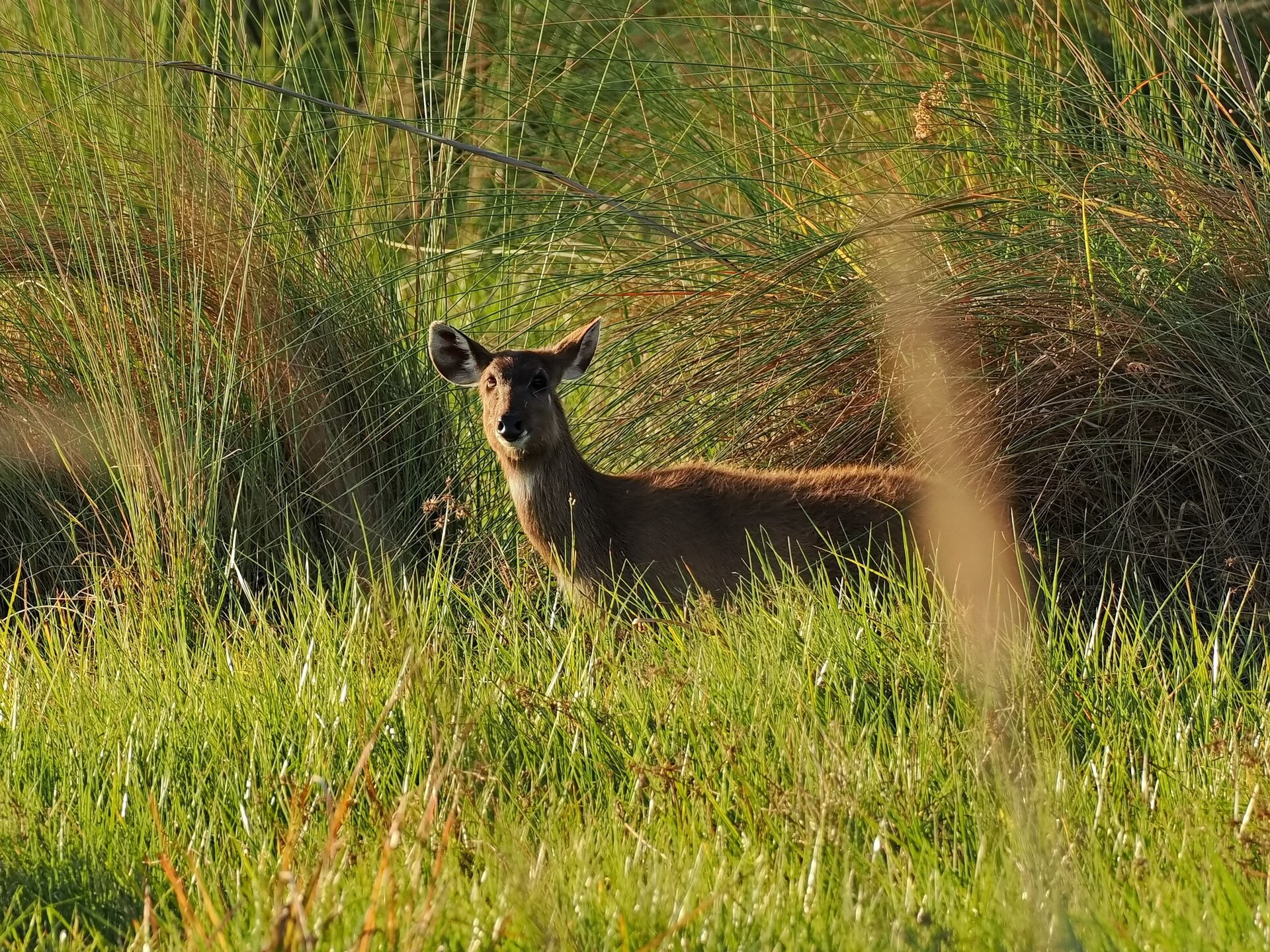
Okavango Sitatunga — 8 Days
8 days · Botswana
8-day okavango sitatunga — sitatunga, red lechwe, puku in North West Okavango swamp fringe.
$13,500 – $15,500
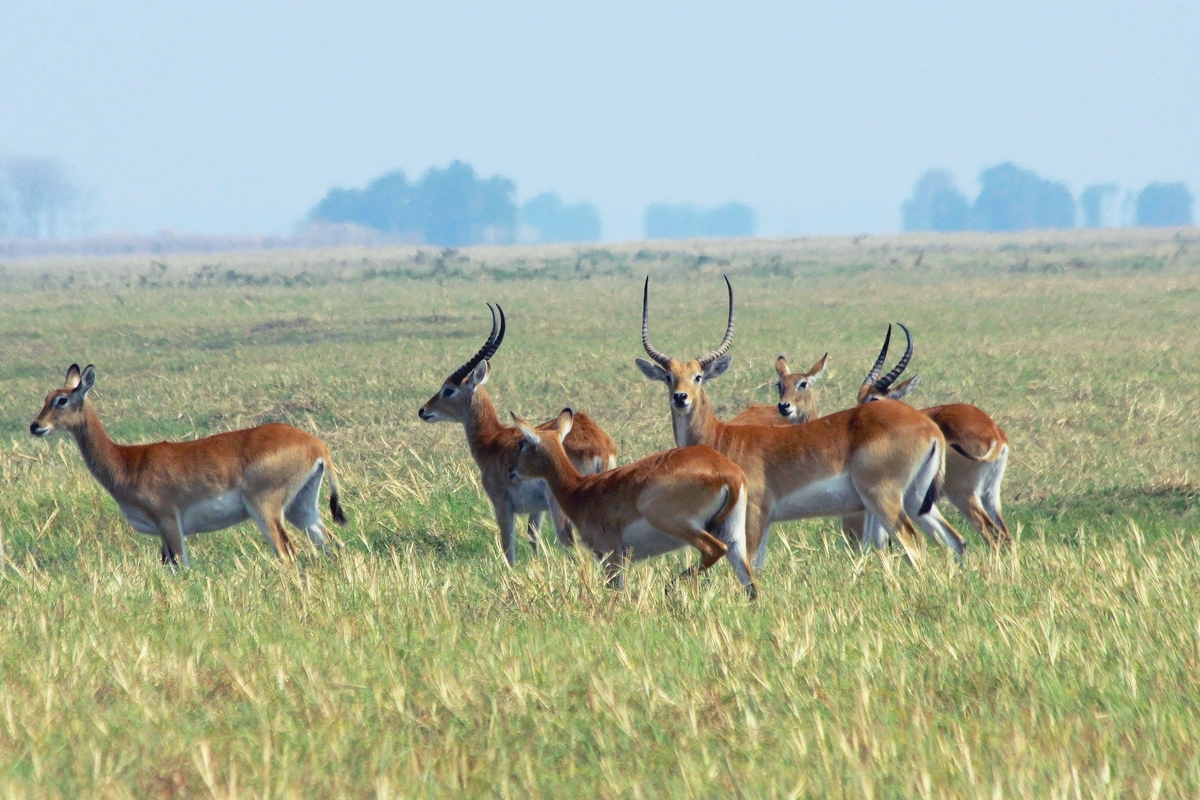
Western Lechwe Floodplain — 8 Days
8 days · Zambia
8-day western lechwe floodplain — red lechwe, sitatunga, common reedbuck in Western floodplain blocks.
$12,500 – $14,500
Plan Your Sitatunga Hunt
Submit a free enquiry and we'll match you with outfitters who hunt Sitatunga in your region.
Sign Up to Enquire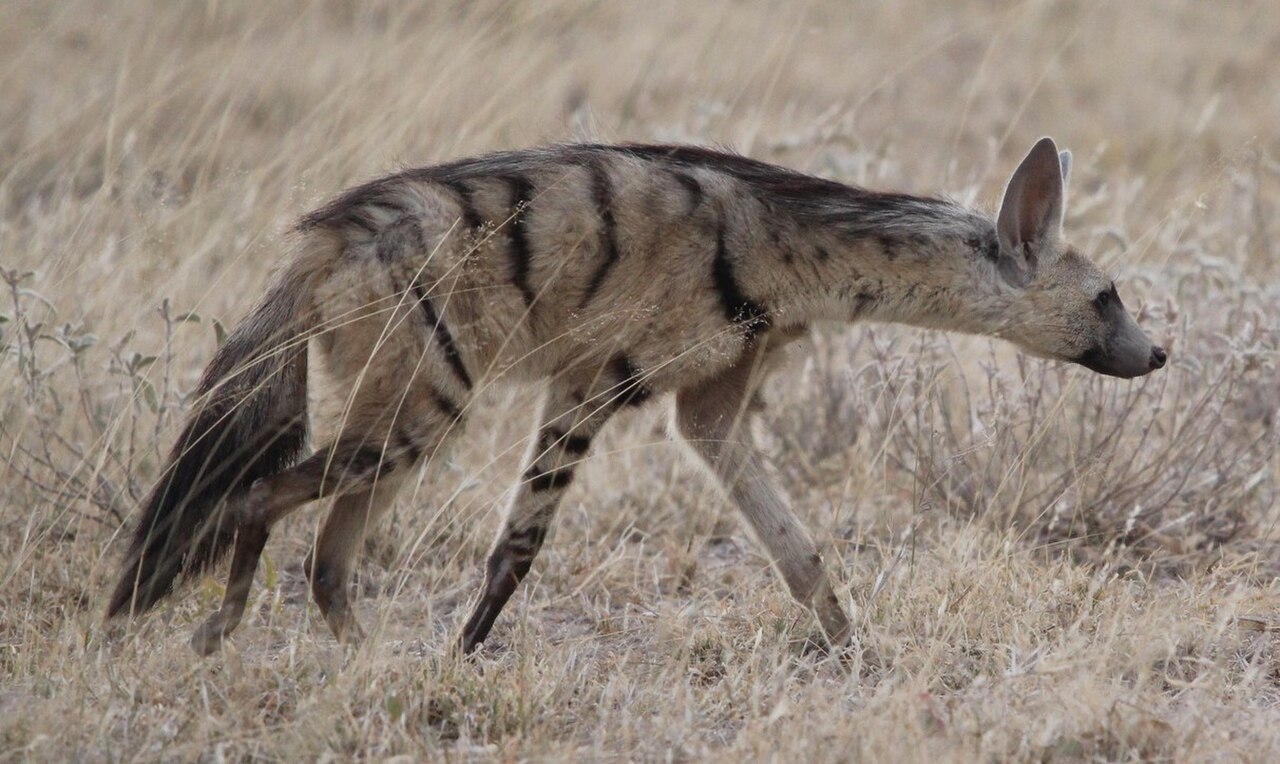 Aardwolf
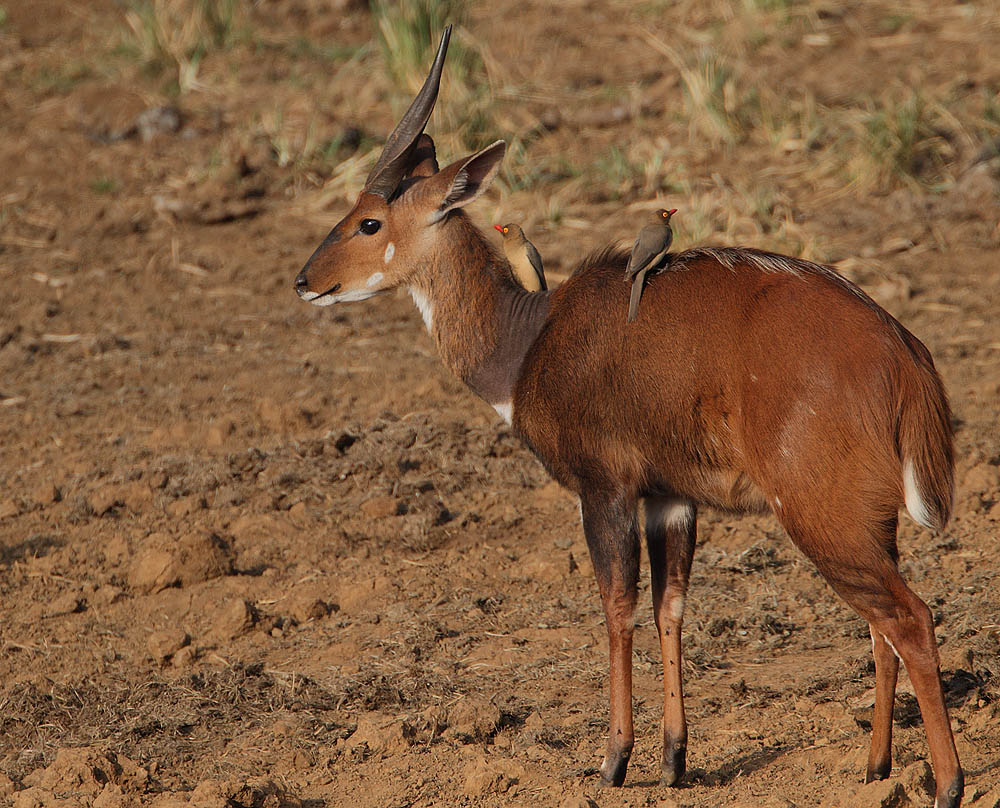 Abyssinian Bushbuck
 Baboon
 Bat-Eared Fox
 Bay Duiker
 Beisa Oryx