Tsessebe Hunting
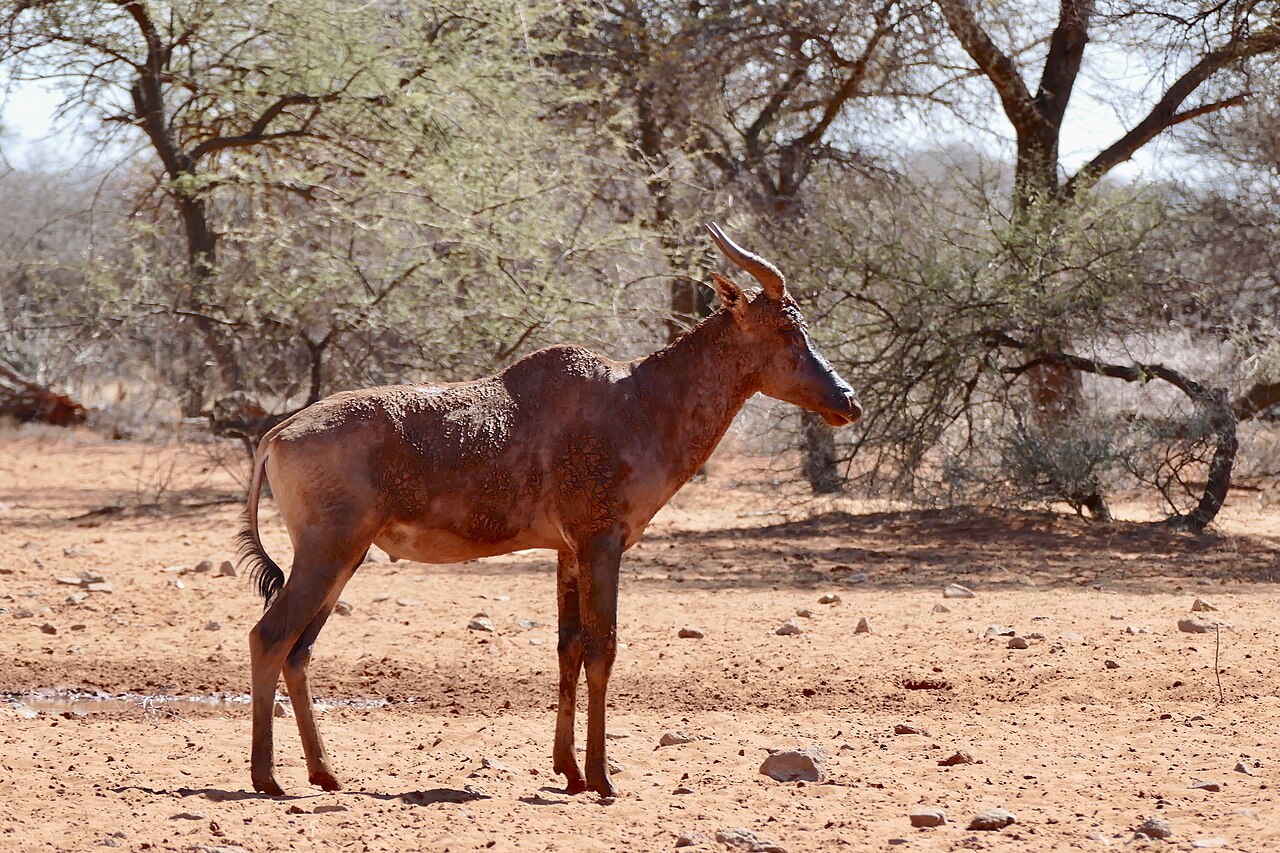
Damaliscus lunatus lunatus
The tsessebe, known scientifically as Damaliscus lunatus lunatus, is a distinctive antelope that stands out on African plains with its rich reddish-brown to purplish coat, dark facial blaze, blackish lower legs, and paler underparts. Adults typically measure 1. 2 to 1. 5 meters at the shoulder and weigh 120 to 140 kilograms, with males larger and more robust than females. Both sexes carry lyre-shaped horns that sweep backward then inward, often reaching 35 to 40 centimeters in mature trophy rams, creating a handsome and recognizable head. These animals inhabit open grasslands, floodplains, and lightly wooded savannas, showing a strong preference for short-grass areas near water. They occur across southern Africa in Botswana, Namibia, South Africa, Zimbabwe, Zambia, and Angola. Highly gregarious, tsessebe form herds of 10 to 30 that can swell during the dry season. They are among the fastest antelopes, capable of bursts exceeding 80 kilometers per hour, and remain alert with excellent eyesight. Hunters value the tsessebe for the demanding stalk it often requires in open country and the satisfaction of taking a well-horned ram. The species is commonly pursued on plains-game safaris, where its speed and wariness test both tracking skill and shot placement. Populations remain healthy in many well-managed hunting areas, and the tsessebe is currently listed as Least Concern by the IUCN, reflecting the benefits of sustainable use and habitat protection.
Hunt facts
- Countries
- Angola Botswana Namibia South Africa Zambia Zimbabwe
- Hunt regions
-
Angola: Cuando Cubango MoxicoBotswana: Central Chobe North WestNamibia: Kavango East Kavango West ZambeziSouth Africa: Limpopo North WestZambia: Central North-Western Southern WesternZimbabwe: Mashonaland Central Mashonaland West Matabeleland North
- Habitat
- Grassland Mixed savanna Wetland
- Best time to hunt
- May–October (Dry season)
- Mass
- 120–140 kg (265–309 lb)
- Trophy minimum
-
- SCI (inches): 40
- SCI bow: 36
- Rowland Ward (inches): 15
- Rowland Ward record: 18 7/8
Typical record-book minimums; confirm the current edition with your professional hunter.
Where to Find Tsessebe
Tsessebe inhabit the open grasslands and seasonal floodplains of southern Africa, preferring short-grass savannas near water. Key regions include Botswana's Okavango Delta and Chobe, Namibia's Caprivi, Zimbabwe's lowveld, and hunting areas in South Africa and Zambia. Top destinations for hunting this species are Botswana, Namibia, and South Africa, where well-regulated concessions provide access to healthy populations. The dry season from May to October offers the best conditions, with animals concentrating around remaining waterholes and reduced vegetation aiding spotting. These antelope occupy flat to slightly rolling terrain with scattered trees, often in mixed herds on open plains. To locate them, glass expansive grasslands at first light using binoculars from vantage points like termite mounds. Look for groups of 10-40 animals, identifiable by their chestnut coats and distinctive horns, frequently associating with other grazers. Fresh tracks and dung near water indicate recent presence. They are alert and swift, so patient observation from a distance is essential.
Why Hunt Tsessebe
Tsessebe captivate hunters with their striking trophy features, from the elegant lyre-shaped horns to the rich chestnut coat highlighted by dark facial blazes and body patches, creating a memorable and unique mount. The hunt ranks among Africa's most exciting due to the tsessebe's incredible speed and vigilance, forcing hunters to employ careful stalking techniques across vast open plains where every movement counts.
Their meat stands out as lean and succulent with a delicate flavor that excels in grilling, roasting, or traditional recipes, making it a prized harvest. Rooted in African hunting culture, targeting tsessebe honors longstanding safari traditions while connecting participants to the land's heritage. Sustainable hunting plays a key role in conservation, channeling fees into habitat management and protection programs that ensure thriving populations for the future. Few experiences match the rush of pursuing these swift, herd-oriented antelope in their natural grassland settings, blending skill, patience, and the awe of African wilderness.
Tsessebe Hunting Tips
Tsessebe hunting takes place in the open plains of southern Africa where these swift antelope graze in herds. The best hunting method is spot and stalk. Locate them with binoculars from a vantage point then stalk closer using the wind and any terrain features for concealment. Move only when they are feeding with heads down. Recommended equipment includes a rifle chambered in . 270 Winchester, 7mm Remington Magnum or . 308 Winchester using 150 grain bullets. A 3-9x or 4-12x scope is ideal along with 10x42 binoculars and a rangefinder. For shot placement, wait for a broadside or slightly quartering away angle and aim just behind the front shoulder to hit the heart and lungs. A well-placed shot here results in a short tracking job. Tracking involves marking the last seen position and looking for blood, tracks and disturbed grass. Follow slowly and be ready for a follow-up shot as they may not drop immediately. The optimal times are the first two hours after sunrise and last two before sunset during the dry winter months when visibility is high and animals are concentrated. Common mistakes include approaching from upwind, taking running shots, and not practicing long range shooting beforehand. Safety is paramount. Always hunt with a licensed professional hunter, confirm the animal is a tsessebe and legal, be mindful of heat exhaustion, carry water, and never separate from the group. Watch for snakes and other wildlife.
Featured Outfitters for Tsessebe
View all


Hunting Tips & Guides
All tips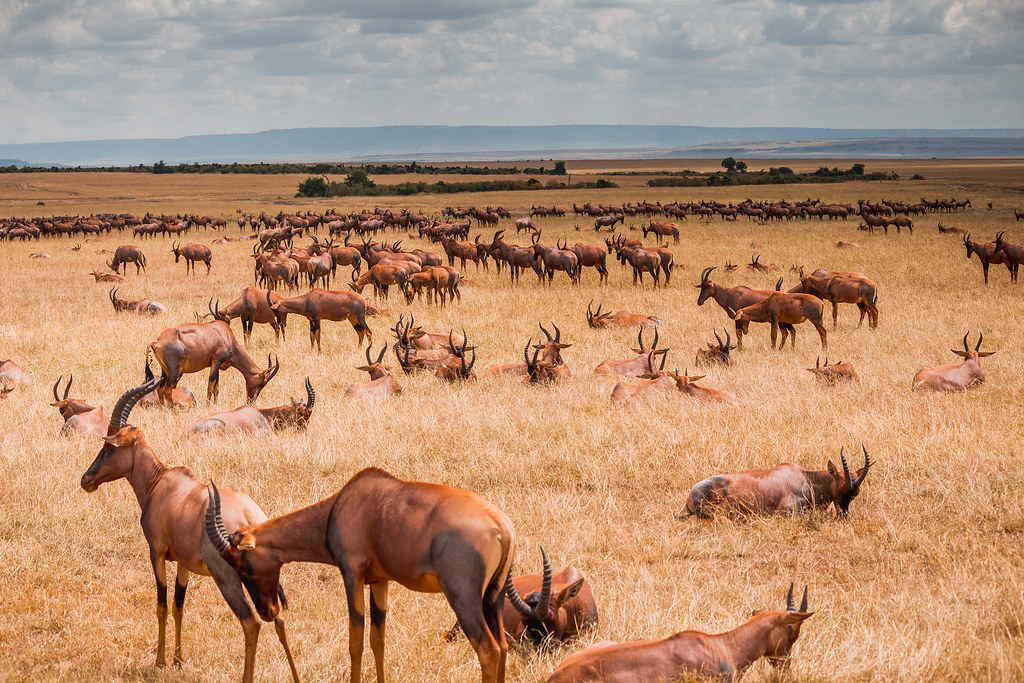
How to Judge a Trophy Tsessebe on the Hoof
Expert tips for judging tsessebe trophy quality in the field. Learn horn assessment, ethics and conservation for successful African plains …
Read moreHunt packages with Tsessebe
Curated hunt ideas — no price on the page. Enquire and we'll match outfitters after review.
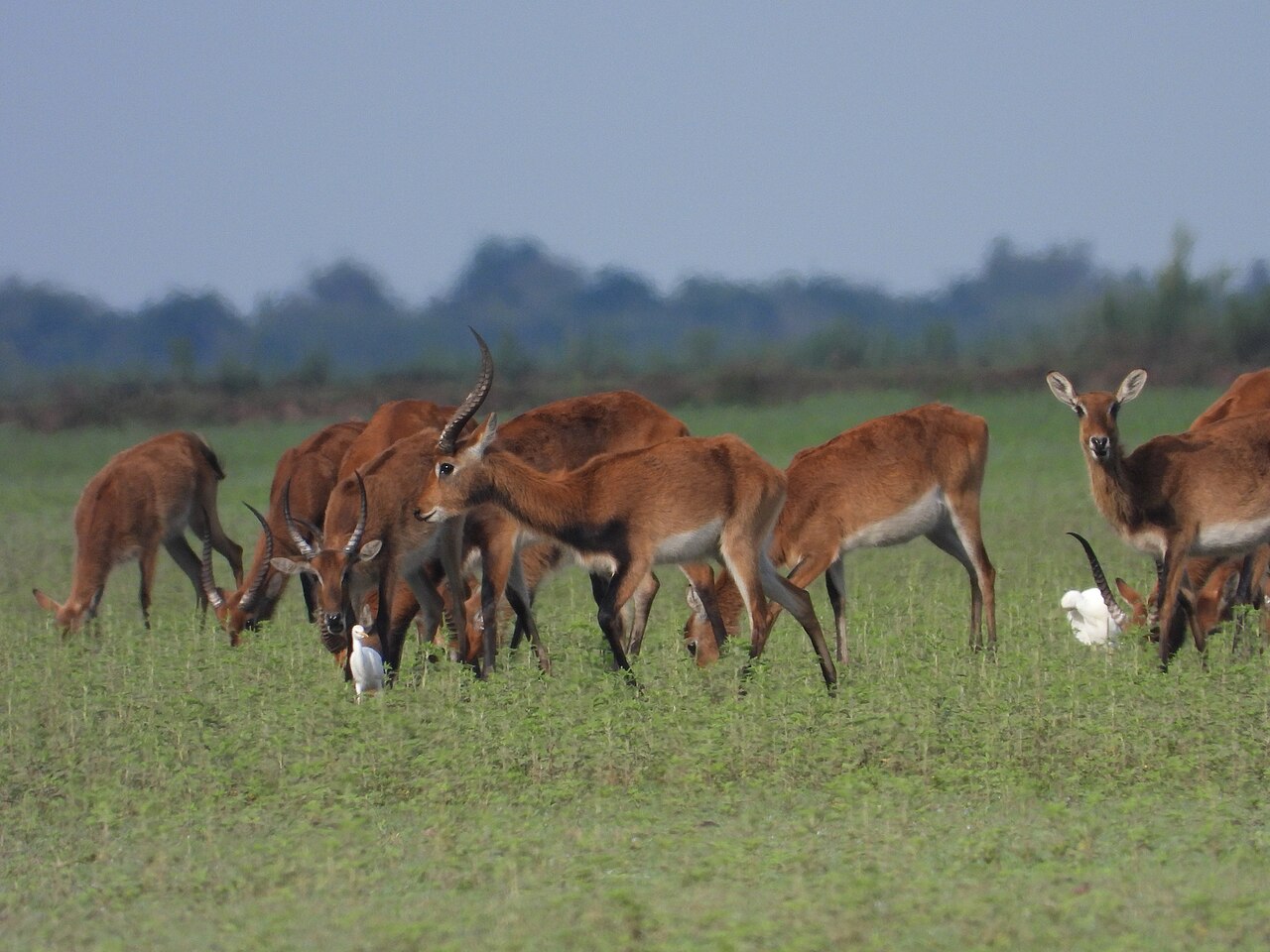
Bangweulu Lechwe — 7 Days
7 days · Zambia
Seven days Bangweulu — black lechwe, tsessebe and sitatunga.
$12,800 – $14,200
Cuando Cubango Plains — 10 Days
10 days · Angola
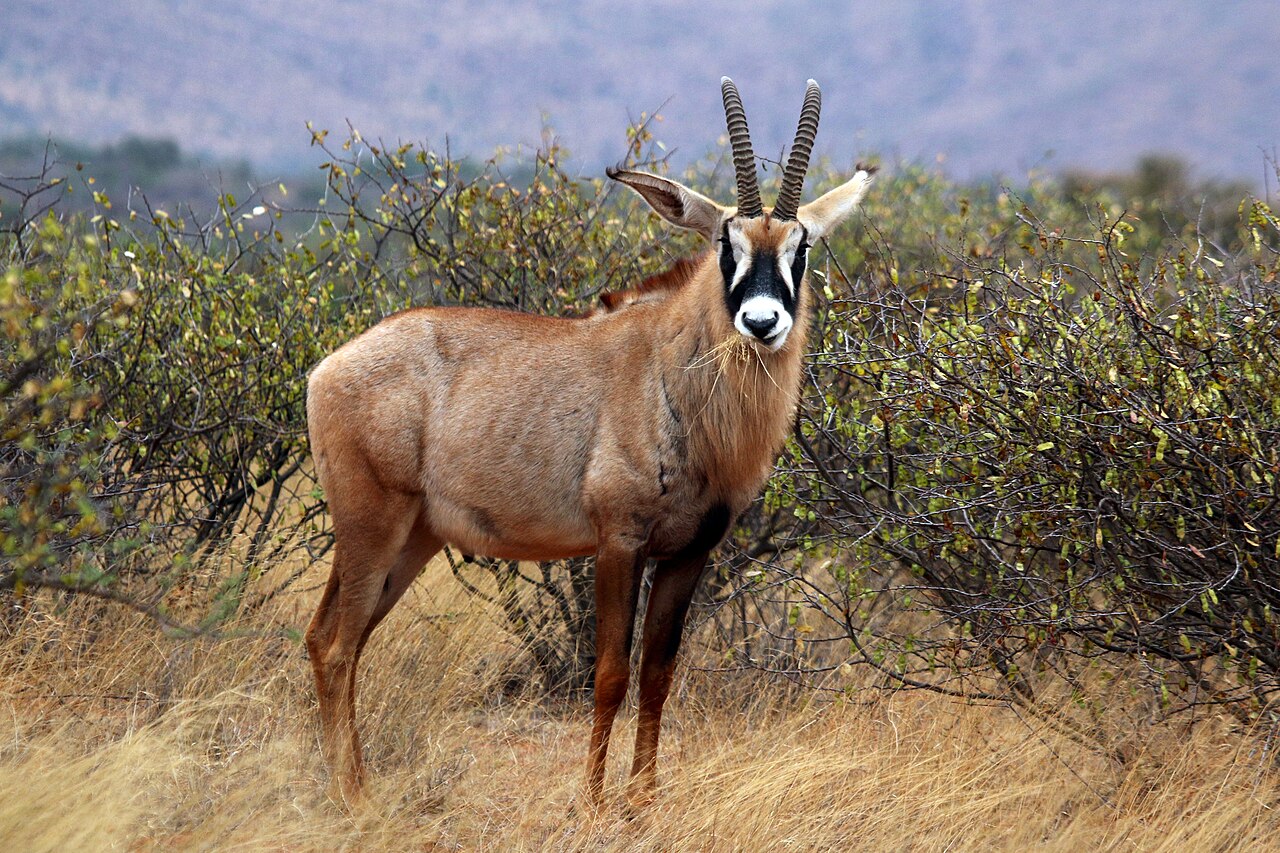
Ten days Cuando Cubango — roan, tsessebe, reedbuck and warthog.
$18,500 – $20,500
Plan Your Tsessebe Hunt
Submit a free enquiry and we'll match you with outfitters who hunt Tsessebe in your region.
Sign Up to Enquire Aardwolf
 Abyssinian Bushbuck
 Baboon
 Bat-Eared Fox
 Bay Duiker
 Beisa Oryx