Damara Dik-dik Hunting
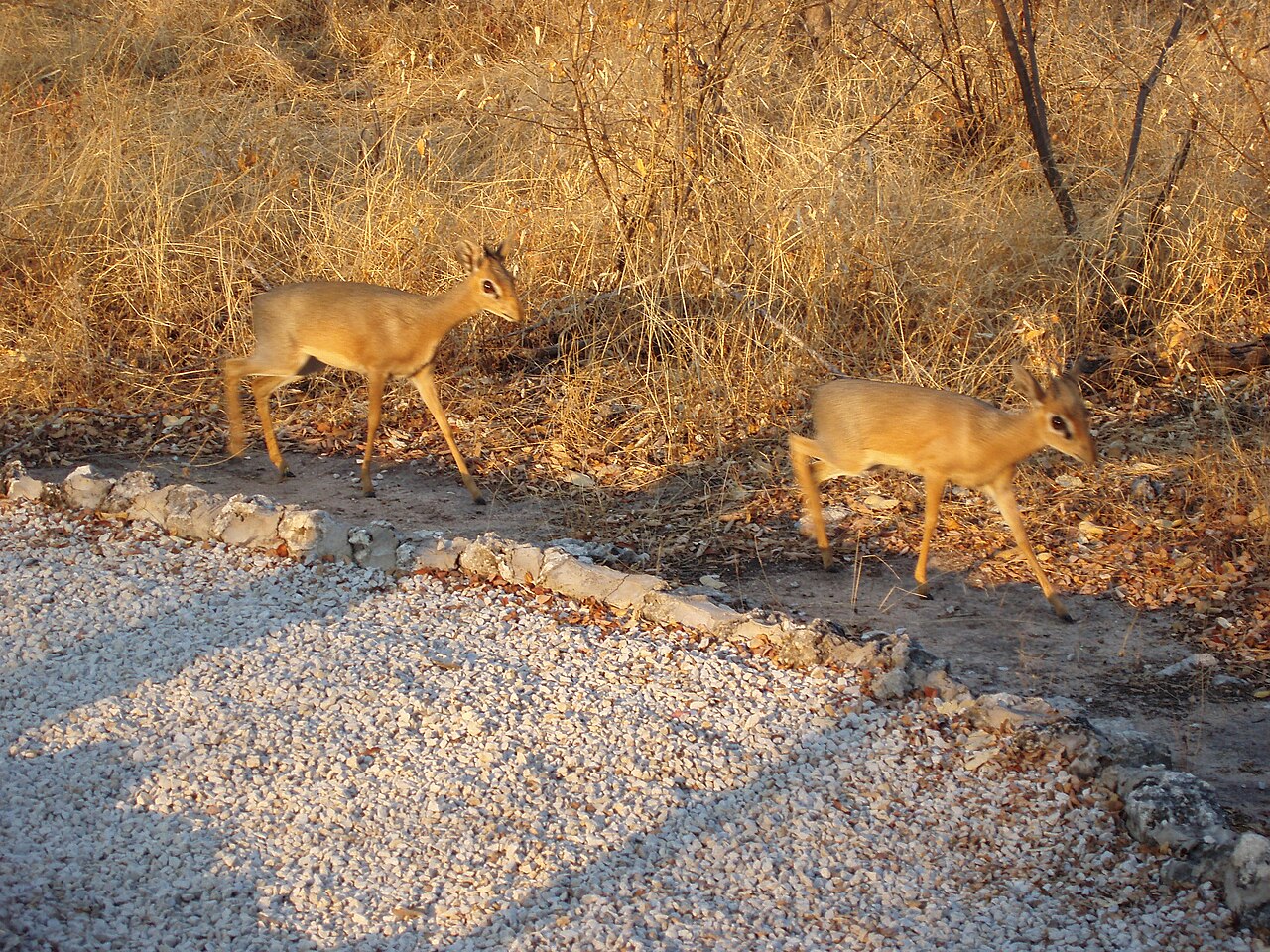
Madoqua kirkii damarensis
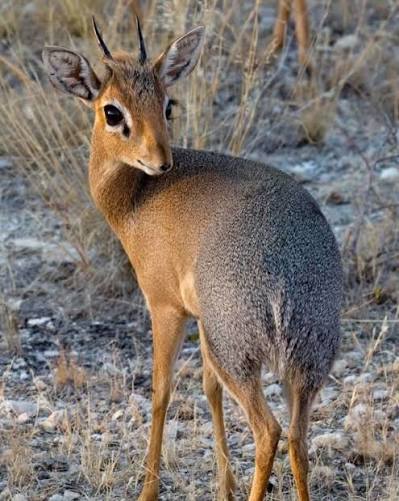
The Damara dik-dik is one of Africa's tiniest antelopes and a distinctive trophy for hunters pursuing unique plains game. Adults stand 35 to 40 centimeters at the shoulder and weigh 4 to 6 kilograms. They have a pointed, elongated snout, large dark eyes, prominent preorbital glands, and a tuft of hair on the forehead. Males carry short, sharp horns of 6 to 9 centimeters. The coat is grayish-brown with a reddish tinge on the back and white underparts, blending perfectly with dry bush. These dik-diks occupy arid thornbush, mopane woodland, and dense thickets in Namibia and southwestern Angola. They live in monogamous pairs on small territories marked by dung piles and facial gland secretions. Crepuscular and highly alert, they browse leaves, shoots, and fruits while remaining close to cover. When threatened they freeze, then explode into a zigzagging run accompanied by a sharp whistle. Hunters value the Damara dik-dik for the difficulty it presents. Its minute size, excellent camouflage, and wariness in thick cover demand careful stalking, precise shot placement, and often a shotgun or small-caliber rifle. It is typically taken as part of a Namibian plains-game safari and ranks as a prized addition to any collection of African antelope. The subspecies is listed as Least Concern, with stable numbers supported by regulated hunting that funds habitat protection and anti-poaching work.
Hunt facts
- Countries
- Angola Namibia
- Hunt regions
-
Angola: Cunene Huíla NamibeNamibia: Erongo Kunene
- Habitat
- Mixed savanna Woodland Semi-arid
- Best time to hunt
- May–October (Dry season)
- Mass
- 5–7 kg (11–15 lb)
Where to Find Damara Dik-dik
Damara dik-diks inhabit arid and semi-arid zones of Namibia and southwestern Angola, favoring dry savannas, dense thornbush, acacia thickets, and rocky outcrops that provide cover. Namibia stands as the top destination for hunting this species, especially in the Kunene Region, Erongo highlands, and communal conservancies where licensed operators run regulated hunts on private land and farms.
The dry season from May through October offers the best conditions, as thinning vegetation improves visibility and dik-diks stay closer to remaining forage and water. Terrain includes sandy plains mixed with granite kopjes, mopane woodland, and low shrubs on well-drained soils.
Search thick undergrowth and bush edges at dawn and dusk with binoculars. These territorial animals often freeze in place rather than flee immediately. Watch for small tracks, dung piles, and their large eyes in shaded thickets. Always hunt with a registered professional hunter and observe local quotas and laws.
Why Hunt Damara Dik-dik
The Damara dik-dik captivates hunters with its exceptional trophy qualities as one of the tiniest antelopes in Africa. Males bear distinctive short, pointed horns of only three to four inches, representing a rare and sought-after pygmy species trophy. Hunting these animals delivers high challenge and excitement because they inhabit thick cover, possess keen senses, and remain incredibly difficult to detect, demanding precise stalking and sharp observation skills. Their meat provides tender, mildly gamey flavor ideal for gourmet meals and traditional preparations. While rooted in African hunting heritage, pursuit of Damara dik-dik today advances conservation by funding habitat protection and community programs in Namibia. This hunt uniquely immerses sportsmen in arid bushveld tracking, offering intimate encounters with a remarkably small yet resilient species that few other trophies can match.
Damara Dik-dik Hunting Tips
Hunting Damara dik-dik requires patience and precision due to their tiny size and excellent senses. Walk-and-stalk through Namibia's thorny bushveld works best, using binoculars to glass for animals frozen in shade or under bushes. Approach slowly from downwind, pausing often as they dart away at the slightest sound.
A lightweight rifle in . 223 Remington or . 22 Hornet with a 4-12x scope suits shots typically under 80 yards. Use expanding 50-grain bullets for a clean kill without ruining the small cape.
Aim tightly behind the shoulder into the heart-lung area; the vital zone is very small so wait for a stationary broadside presentation. Never take running shots.
Look for miniature cloven tracks and pellet droppings near territorial middens. Stalk during early morning and late afternoon feeding periods, especially in the dry season from May to October when cover is thinner.
Avoid rushing stalks, using oversized calibers that destroy trophies, or poor optics that miss the tiny target. Hunt only with a licensed professional hunter, keep muzzle control in thick cover, and watch for snakes plus uneven ground.
Featured Outfitters for Damara Dik-dik
View all


Hunt packages with Damara Dik-dik
Curated hunt ideas — no price on the page. Enquire and we'll match outfitters after review.
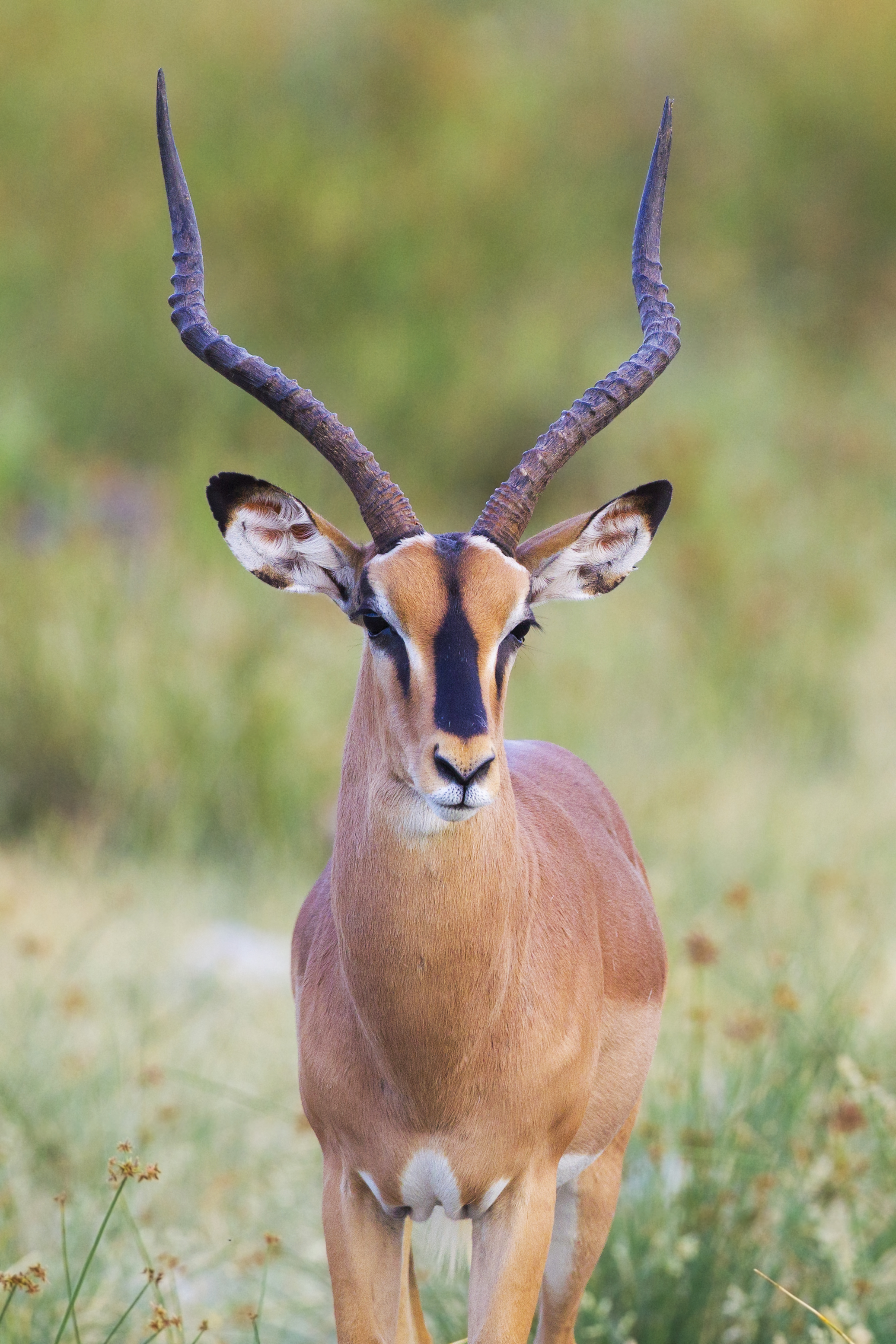
Kunene Black-Faced Impala — 8 Days
8 days · Namibia
8-day kunene black-faced impala — black-faced impala, hartmann's mountain zebra, klipspringer in Kunene escarpment and arid valleys.
$10,500 – $11,800
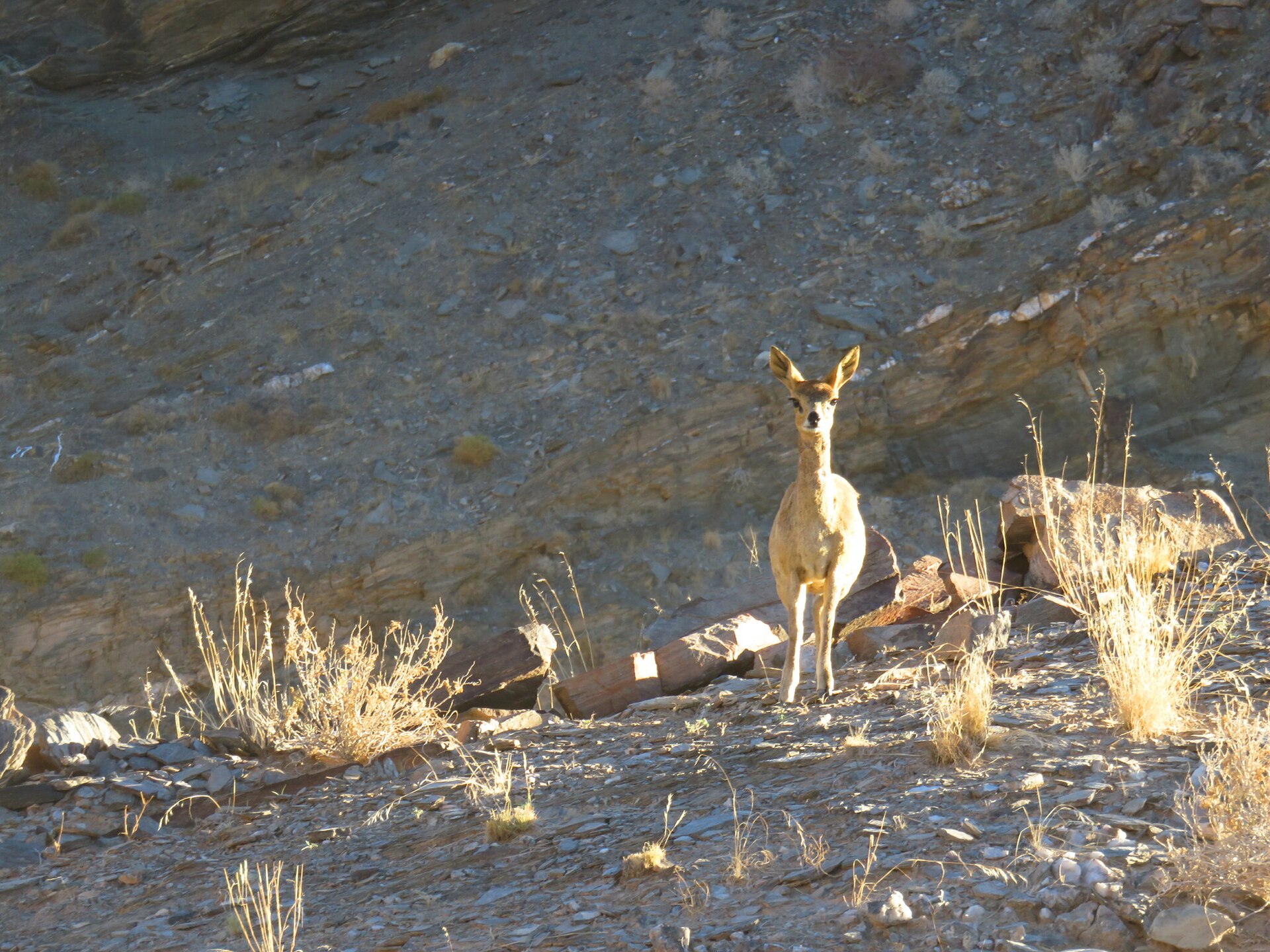
Namibe Mountain Zebra — 8 Days
8 days · Angola
8-day namibe mountain zebra — hartmann's mountain zebra, klipspringer, springbok in Namibe escarpment.
$12,000 – $14,000
Plan Your Damara Dik-dik Hunt
Submit a free enquiry and we'll match you with outfitters who hunt Damara Dik-dik in your region.
Sign Up to Enquire African Civet
 African Wildcat
 Baboon
 Bat-Eared Fox
 Bay Duiker
 Black-Fronted Duiker