East African Bush Duiker Hunting
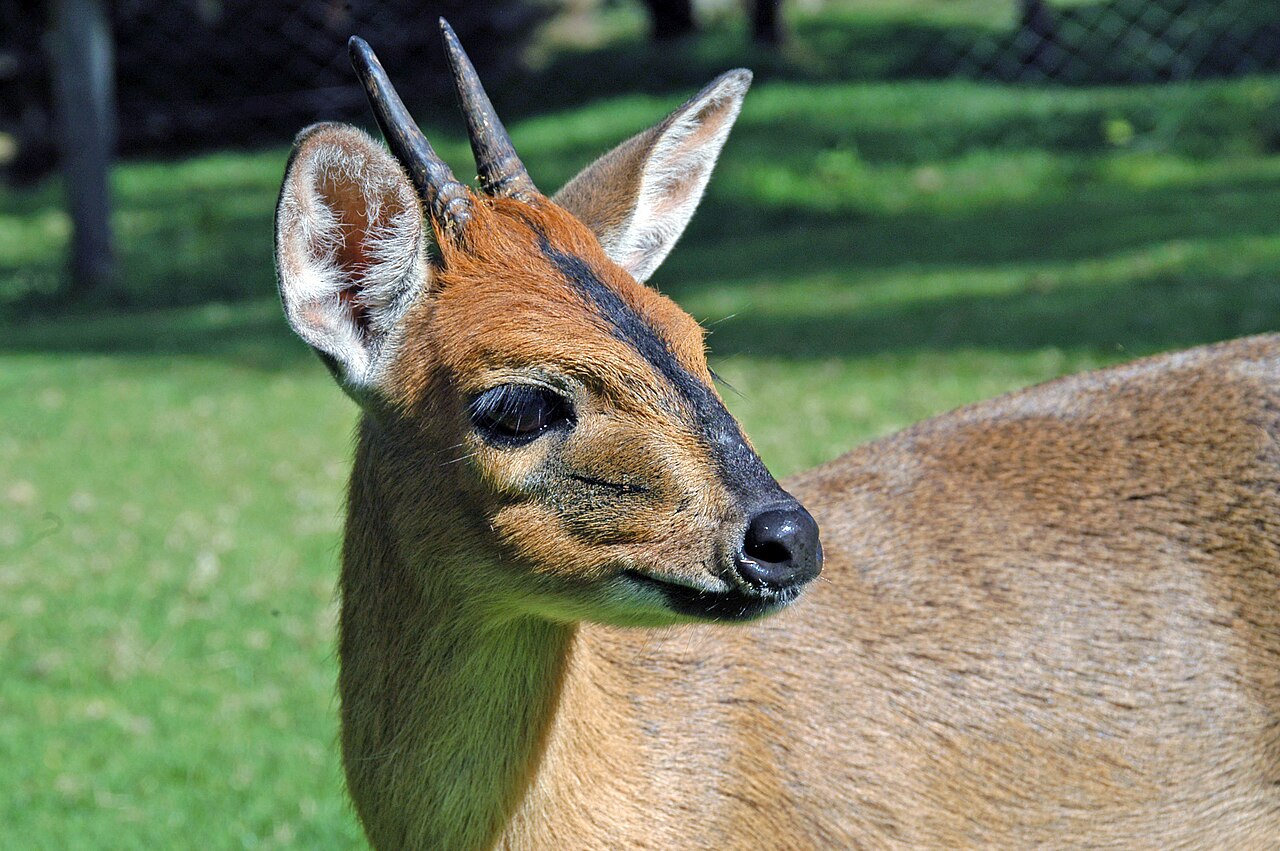
Sylvicapra grimmia
The East African bush duiker, Sylvicapra grimmia, is a compact and wary antelope that rewards patient hunters with both a challenging stalk and excellent table fare. Adults stand 45 to 60 cm at the shoulder and weigh 12 to 25 kg, clothed in a coarse grey-brown coat that fades to paler underparts and often shows a dark facial stripe. A distinctive tuft of hair sits on the forehead, and males carry short, straight horns usually 7 to 11 cm long that make a modest but attractive trophy. These adaptable animals occupy woodlands, thickets, savanna edges and even farmlands throughout East Africa, from Kenya and Tanzania northward into Uganda and neighboring countries. They are largely solitary, territorial browsers that feed on leaves, fruits and shoots, remaining most active at dawn, dusk and through the night. Acute senses and a habit of freezing or bursting into dense cover make them easy to miss even at close range. Hunters encounter bush duikers most often while walking up larger plains game or still-hunting thickets. Their small size demands precise shot placement with modest calibers, and their preference for cover tests tracking and stalking skills. The meat is highly regarded, and well-regulated hunting of this abundant species, listed as Least Concern, supports local conservation and rural economies. A successful hunt for an East African bush duiker is a test of woodcraft rather than firepower, offering a classic African small-game experience.
Hunt facts
- Countries
- Tanzania Uganda
- Hunt regions
-
Tanzania: Arusha Katavi Lindi Manyara Morogoro Pwani Rukwa Simiyu Singida TaboraUganda: Central Northern Western
- Habitat
- Mixed savanna Woodland Bushveld
- Best time to hunt
- July–December (SCI race of Common Duiker)
- Mass
- 15–25 kg (33–55 lb)
- Trophy minimum
-
- SCI (inches): 11
- SCI bow: 9
- Rowland Ward (inches): 4 8/16
SCI race of Common Duiker
Typical record-book minimums; confirm the current edition with your professional hunter.
Where to Find East African Bush Duiker
The East African bush duiker inhabits savannas, woodlands, and dense bush across East Africa, favoring thick cover such as acacia thickets, shrub edges, and mixed grassland for concealment. Tanzania provides the strongest hunting opportunities through regulated concessions in areas like the Selous and Maswa, with additional options in parts of Uganda under strict licensing. Always verify current regulations and permits before planning any hunt. The dry season from June to October offers optimal conditions with thinner vegetation and animals concentrating near water. These secretive antelopes occupy lowland plains, hilly bushveld, and riverine zones, often near agricultural fringes. Locate them at dawn and dusk by scanning for tracks, droppings, and browse signs in undergrowth, relying on local trackers familiar with their habit of freezing or darting into cover.
Why Hunt East African Bush Duiker
The East African bush duiker captivates hunters with its trophy qualities, featuring males with sharp, slightly twisted horns typically four to seven inches long that serve as a sought-after small game trophy. Hunting this species offers a substantial challenge and excitement, as duikers are extremely wary and inhabit thick bush, demanding patient still-hunting or careful stalking that can lead to heart-pounding close encounters. The meat is of excellent quality, tender and flavorful, often enjoyed in traditional African cuisine such as potjies or grilled over open fires. Culturally, bush duikers have long been significant in local hunting traditions for sustenance and as part of folklore. Conservation benefits from hunting through fees that fund anti-poaching patrols and habitat preservation, helping maintain healthy populations. Unique experiences include the thrill of hunting in East African savannas and woodlands, observing secretive wildlife behaviors, and the satisfaction of ethically harvesting this resilient species.
East African Bush Duiker Hunting Tips
Hunting the East African bush duiker demands patience and stealth because this small antelope lives in thick cover and is highly alert. The most effective methods are still hunting along game paths or slow stalking through the bush, preferably with a local tracker who knows their habits. A lightweight rifle in . 243 Winchester or . 22-250 with a simple scope works well for ethical shots under 100 yards. Keep equipment minimal for easy movement in vegetation. Aim your shot at the center of the shoulder to hit the heart and lungs. Because of the duiker's size, any miss or poor placement can result in a wounded animal that is hard to recover. Track them by spotting their tiny hoof prints and pellet-like droppings near thickets. Always hunt into the wind and pause often to listen and look. Early morning and late afternoon during the dry season provide the best opportunities when animals are active and cover is thinner. Common errors include walking too fast, ignoring scent control, and using too large a caliber that ruins the meat. Safety comes first: hunt only with licensed outfitters, be alert for dangerous game like buffalo or snakes, carry a first aid kit, and strictly follow all hunting regulations and bag limits.
Featured Outfitters for East African Bush Duiker
View all


Hunt packages with East African Bush Duiker
Curated hunt ideas — no price on the page. Enquire and we'll match outfitters after review.
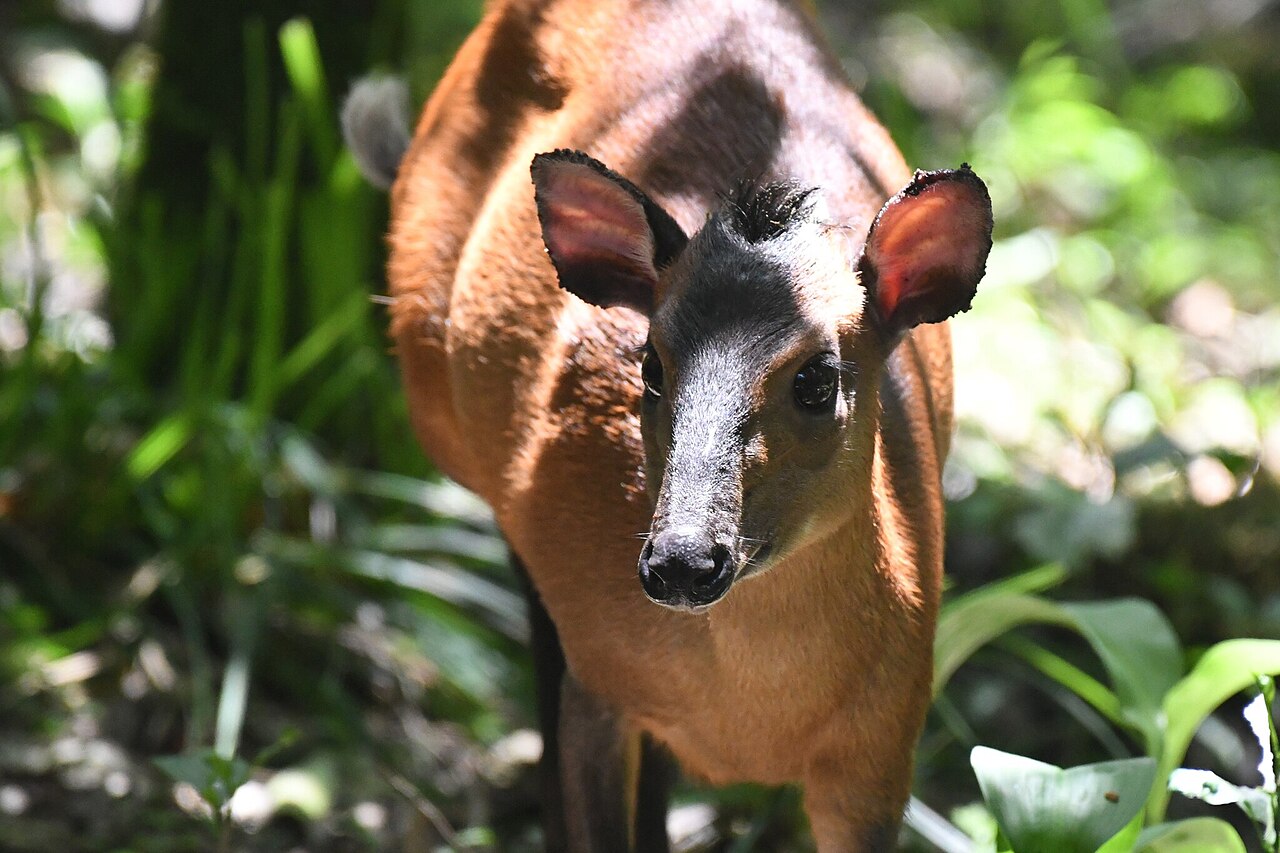
Tanzania Harvey Duiker & Bushbuck — 8 Days
8 days · Tanzania
8-day tanzania harvey duiker & bushbuck — harvey's red duiker, east african bush duiker, east african bushbuck in Morogoro thicket / miombo…
$9,500 – $11,500
Plan Your East African Bush Duiker Hunt
Submit a free enquiry and we'll match you with outfitters who hunt East African Bush Duiker in your region.
Sign Up to Enquire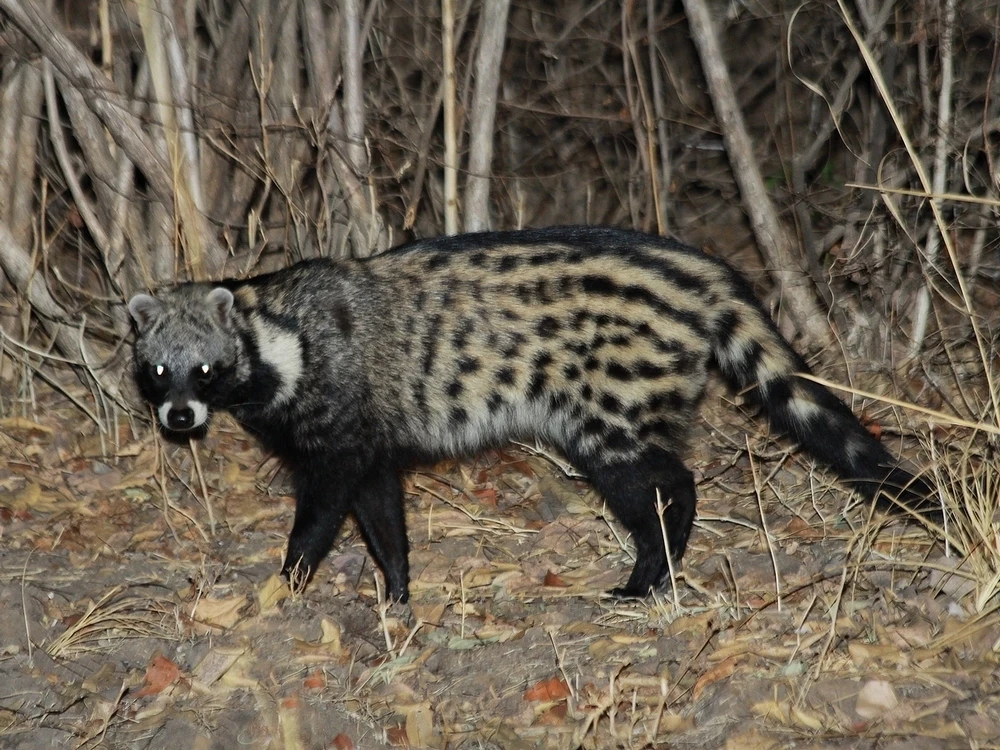 African Civet
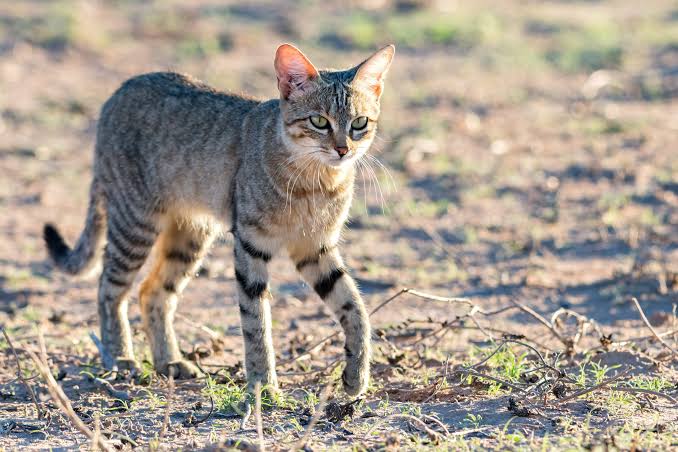 African Wildcat
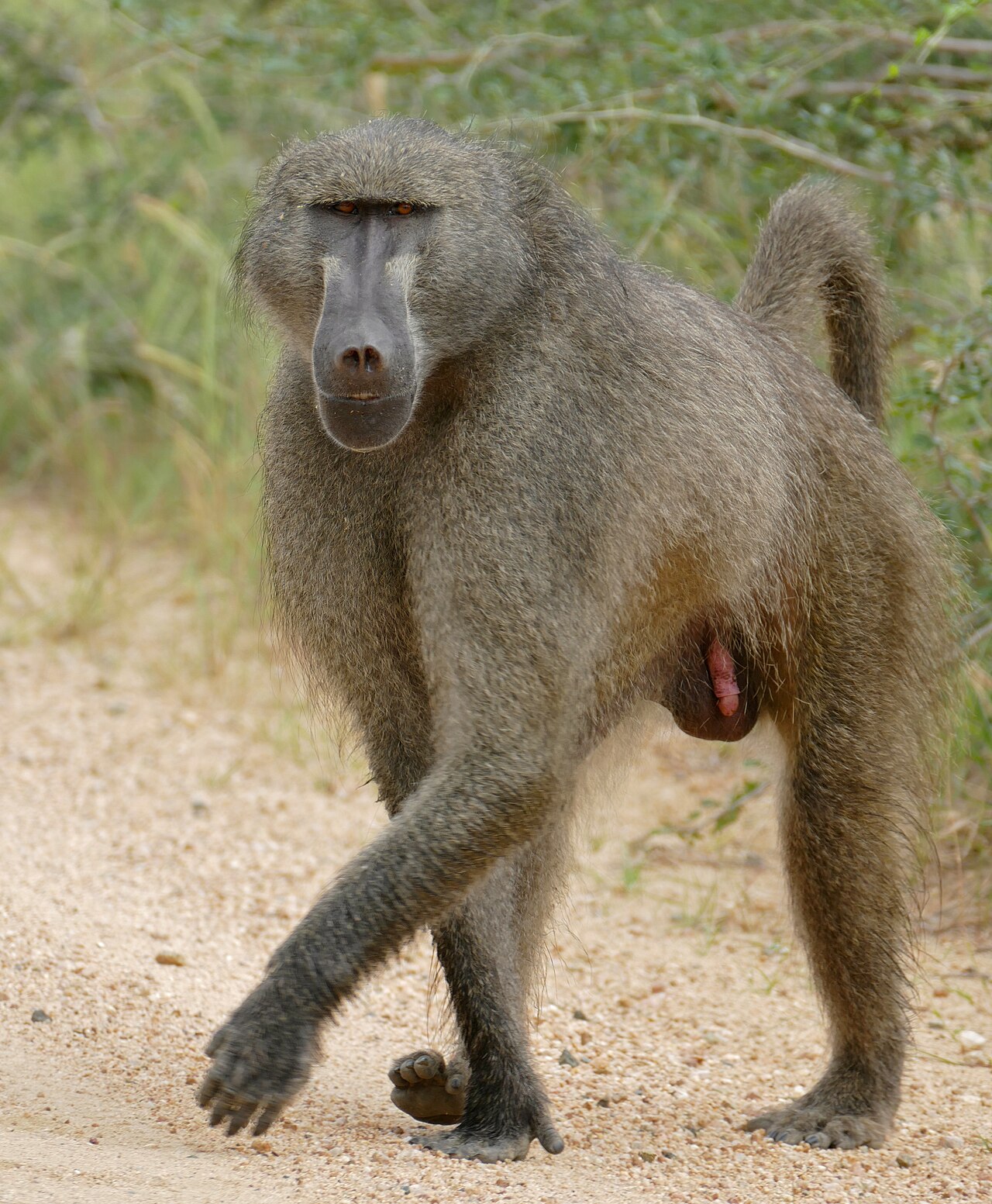 Baboon
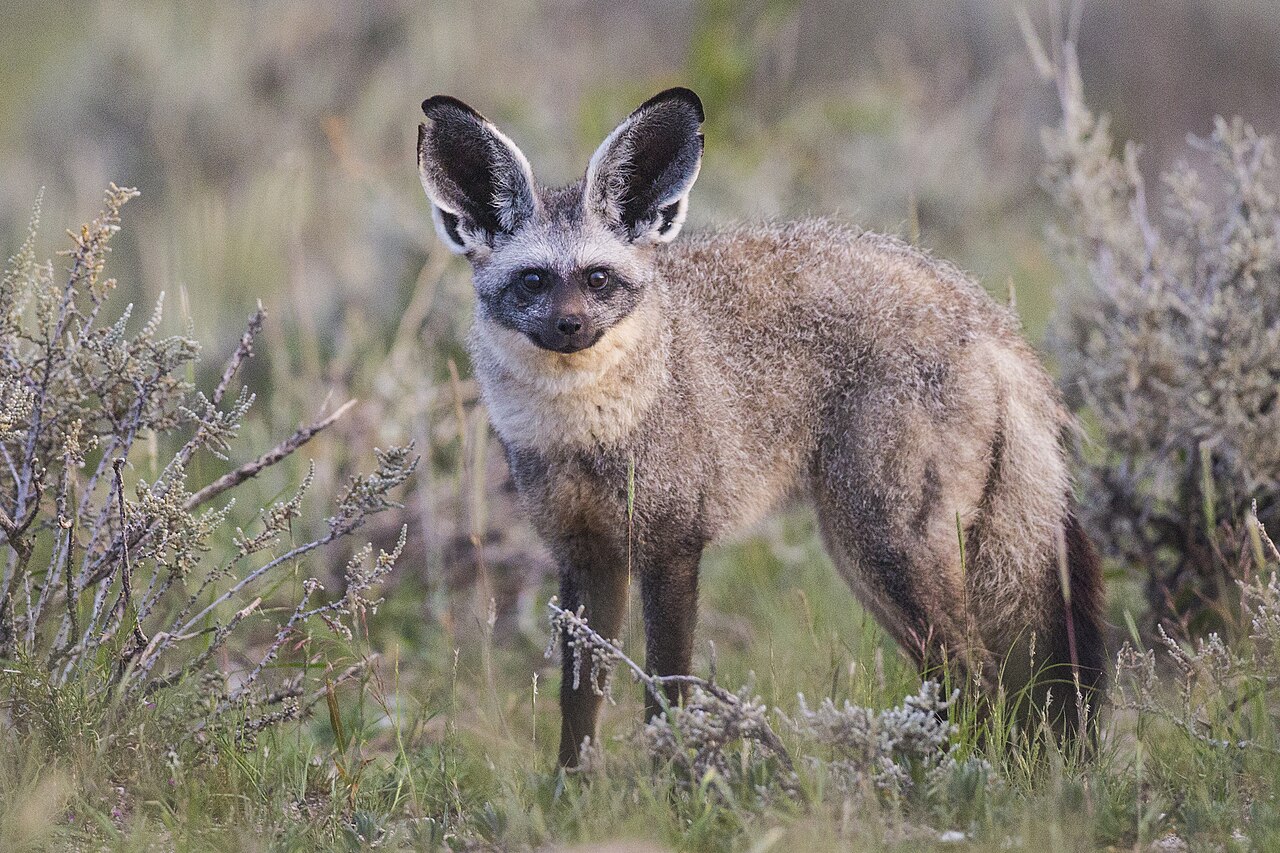 Bat-Eared Fox
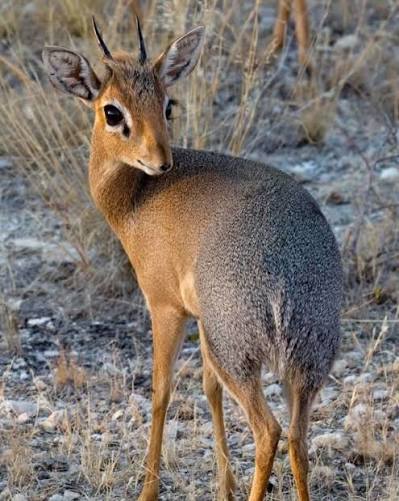 Bay Duiker
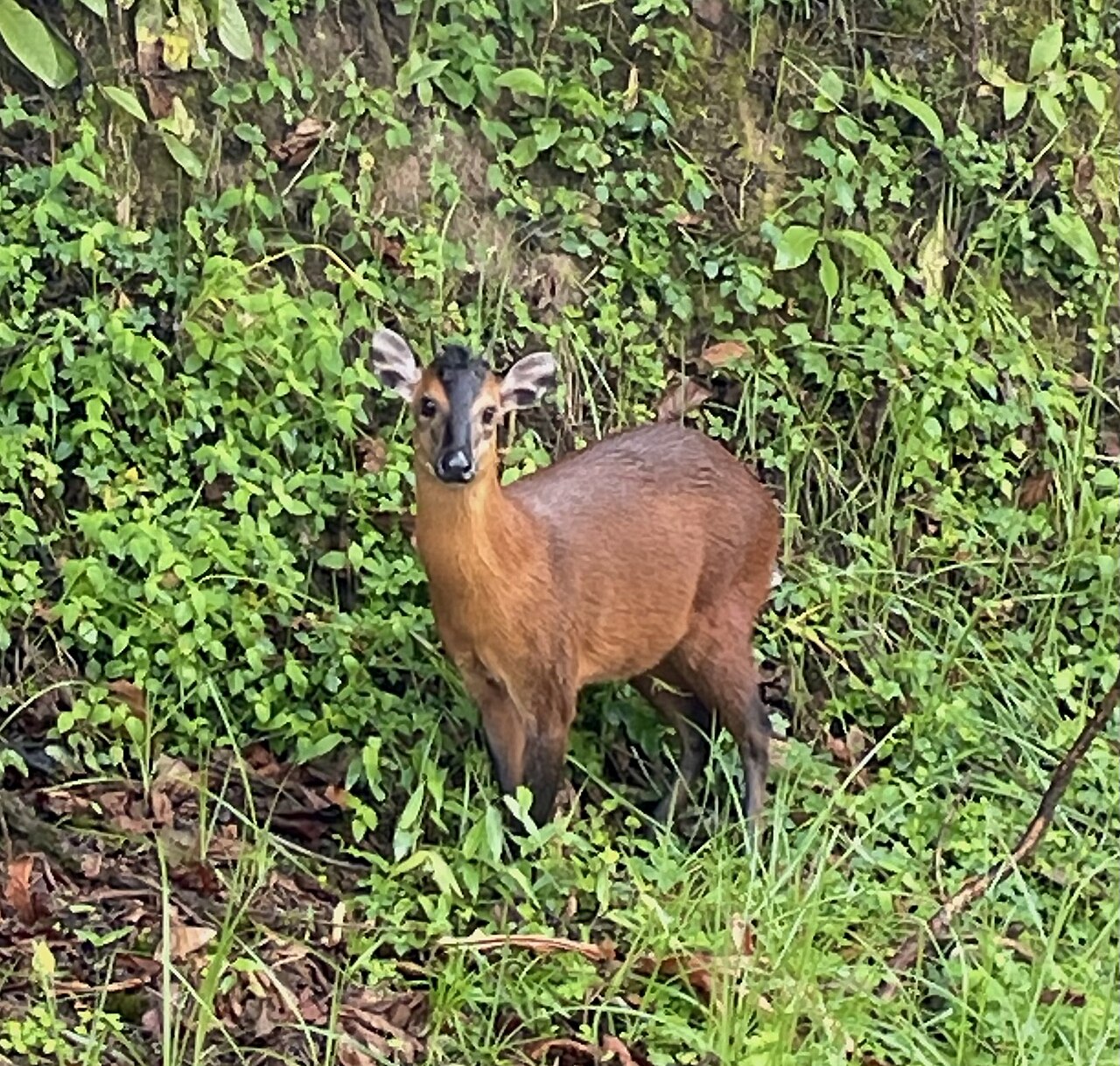 Black-Fronted Duiker