Kirk's Dik-dik Hunting
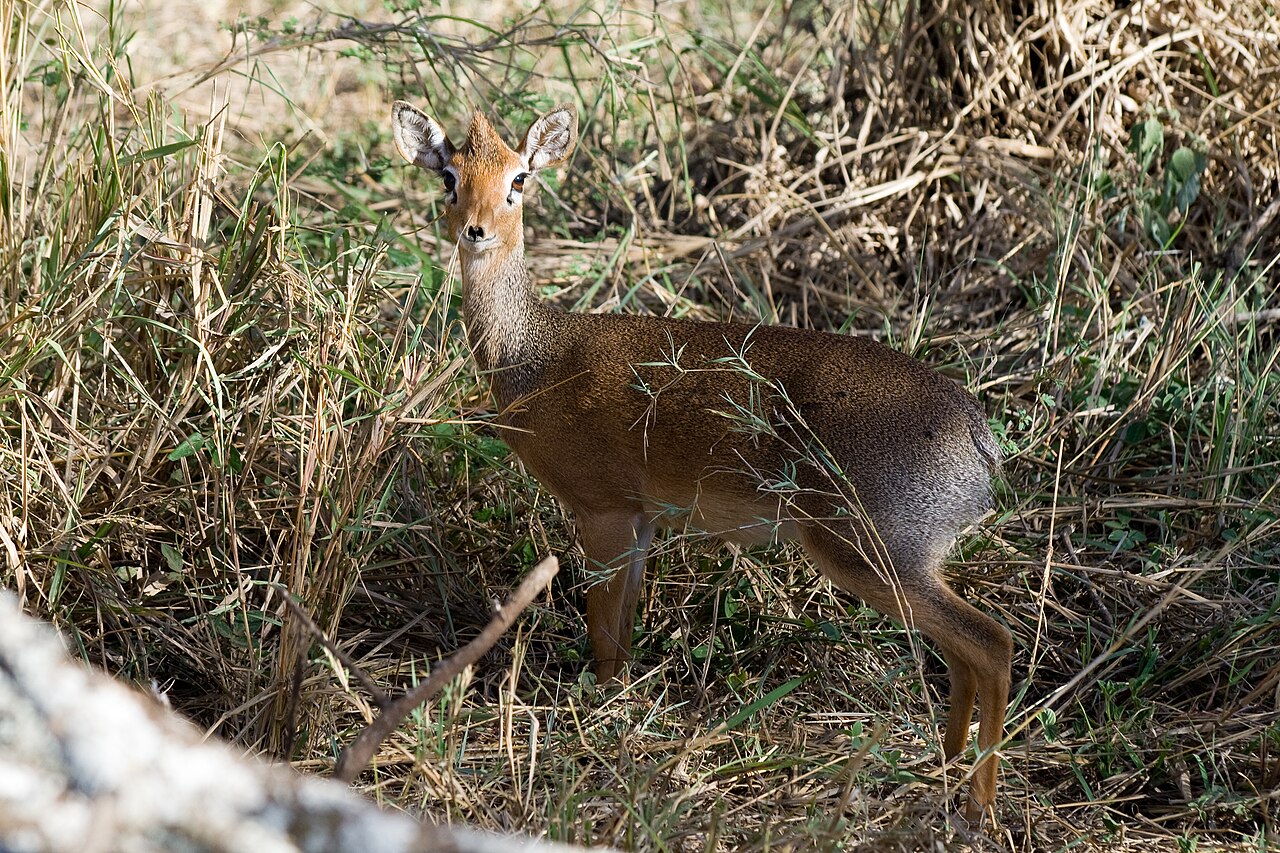
Madoqua kirkii
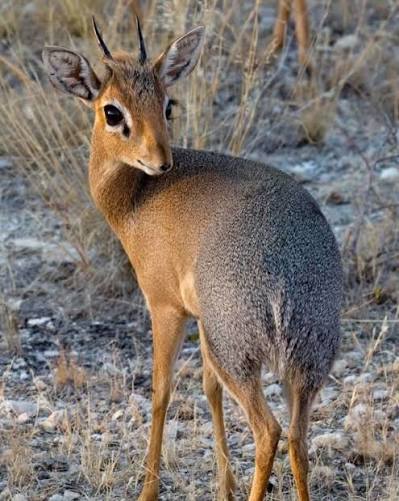
Kirk's Dik-dik, scientifically named Madoqua kirkii, is a fascinating small antelope that offers hunters a unique challenge due to its tiny size and cautious behavior. Adults stand only 14 to 18 inches at the shoulder and weigh 7 to 16 pounds, with a coat that ranges from grayish to reddish-brown for camouflage in dry habitats. They have large dark eyes with distinctive white rings, a flexible elongated snout, and males grow short horns of 2 to 4 inches. These animals inhabit arid bush, thickets, and savanna woodlands across East Africa, including Kenya, Tanzania, Somalia, Ethiopia, and Namibia. Kirk's Dik-diks live in monogamous pairs on small territories, using scent glands and dung to mark boundaries. They browse on leaves and shoots, staying alert at all times and either freezing or darting off with a characteristic "dik-dik" whistle when alarmed. Hunters find Kirk's Dik-dik notable for its wariness and the skill required to spot and harvest such a small, well-camouflaged animal in dense cover. It is typically pursued with light rifles during African plains game hunts. The species is listed as Least Concern by conservation authorities, with populations that remain stable under regulated hunting programs.
Hunt facts
Where to Find Kirk's Dik-dik
Kirk's dik-dik inhabit dry bushlands, acacia thickets, and semi-arid savannas across East Africa, particularly in Tanzania, Kenya, Somalia, and parts of Ethiopia. Licensed hunting opportunities exist mainly in Tanzania's designated concessions in the northern and central regions where these tiny antelopes occupy thorny scrub and rocky lowlands. The dry season from June through October offers the best visibility as vegetation thins and animals concentrate near remaining cover. They prefer dense undergrowth on plains and hillsides, remaining close to territorial dung middens. Scan thicket edges at dawn and dusk, watch for their distinctive alarm calls, and use binoculars to pick out their camouflaged forms in the brush. Always confirm current local regulations and obtain proper permits before any hunt.
Why Hunt Kirk's Dik-dik
Kirk's dik-dik draws hunters with its distinctive miniature horns, large dark eyes, and compact elegant form that stand out as a unique trophy among African antelope collections. The pursuit ranks as a genuine challenge because these small animals live in dense East African thickets, use excellent camouflage and alarm calls, and demand quiet stalking plus precise shot placement at close range, creating real excitement and a test of field skills.
The lean, tender meat offers mild flavor well suited to traditional stews, grilling, or simple camp meals. In parts of East Africa the species carries cultural notes of agility and survival. Regulated hunting channels license fees into habitat work, anti-poaching patrols, and community programs that help keep populations healthy.
Hunters gain close-range encounters in rugged bush, tiny tracks to follow, and stories unlike those from larger game, making Kirk's dik-dik a memorable and sustainable addition to any safari.
Kirk's Dik-dik Hunting Tips
Kirk's dik-dik hunting requires specialized tactics because of the animal's small stature and shy nature in East African bush habitats. Effective methods center on careful stalking or still-hunting, using binoculars to detect them standing motionless in cover. Approach slowly into the wind, as they possess keen senses and will dart away or freeze at the first hint of danger.
A lightweight rifle in . 22 Hornet, . 223 Remington or similar small caliber with a quality scope suits this hunt, along with sturdy binoculars. Place shots precisely in the heart-lung region just behind the front shoulder for an ethical kill, given the target measures only about a foot high.
Look for tiny hoof prints and clustered droppings when tracking. Hunt primarily at dawn and dusk in the dry season for improved visibility and animal activity. Steer clear of common errors such as attempting shots beyond 100 yards, which often result in misses or wounded animals, or failing to account for their territorial pairs.
Firearm safety remains paramount: positively identify the target, know what lies beyond, and handle guns responsibly. Additional considerations include protection from thorns, heat, and potential encounters with other wildlife. Always hunt with proper licenses and experienced local guides to ensure legality and success.
Featured Outfitters for Kirk's Dik-dik
View all


Hunt packages with Kirk's Dik-dik
Curated hunt ideas — no price on the page. Enquire and we'll match outfitters after review.
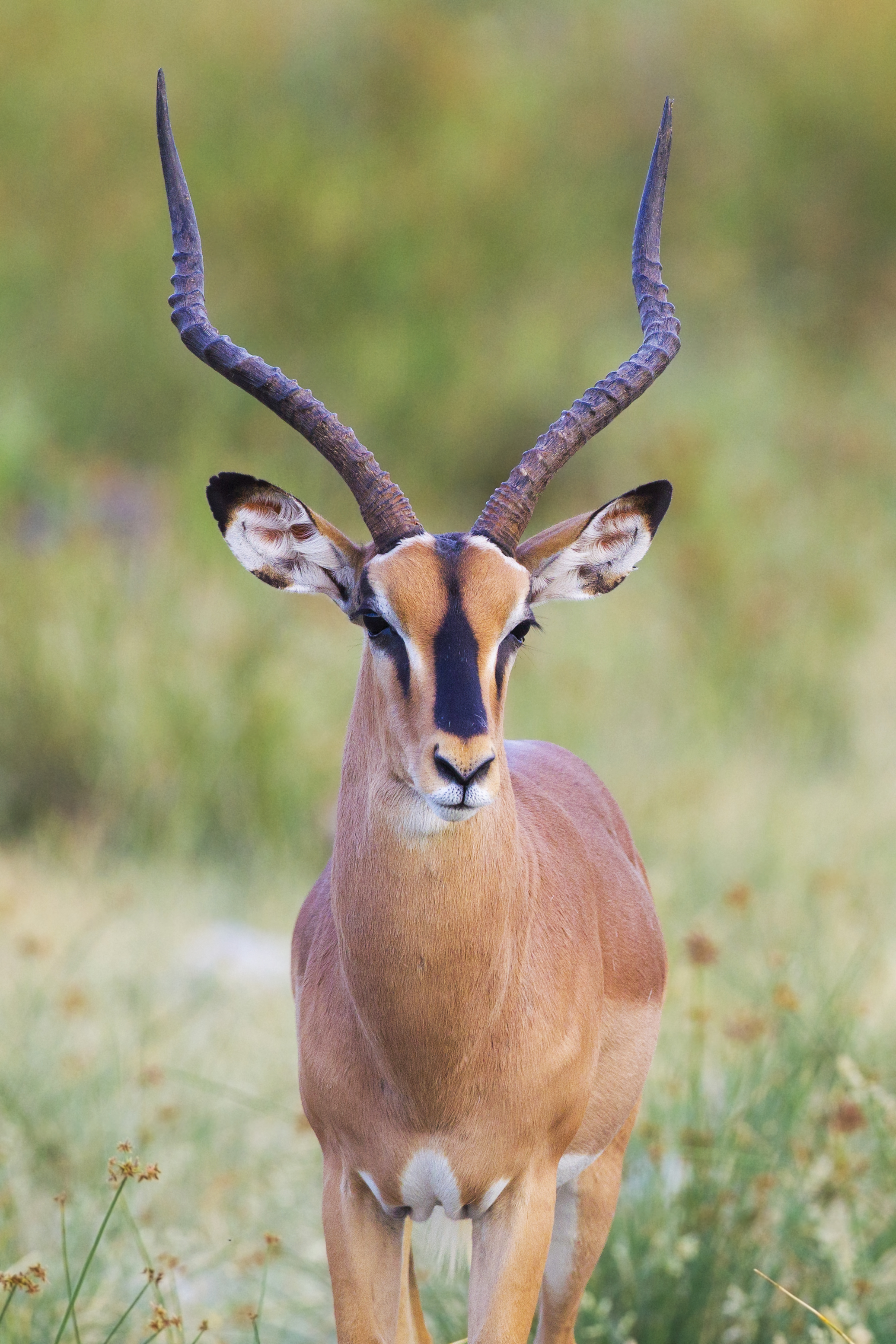
Kunene Black-Faced Impala — 8 Days
8 days · Namibia
8-day kunene black-faced impala — black-faced impala, hartmann's mountain zebra, klipspringer in Kunene escarpment and arid valleys.
$10,500 – $11,800
Plan Your Kirk's Dik-dik Hunt
Submit a free enquiry and we'll match you with outfitters who hunt Kirk's Dik-dik in your region.
Sign Up to Enquire African Civet
 African Wildcat
 Baboon
 Bat-Eared Fox
 Bay Duiker
 Black-Fronted Duiker