Maxwell's Duiker Hunting
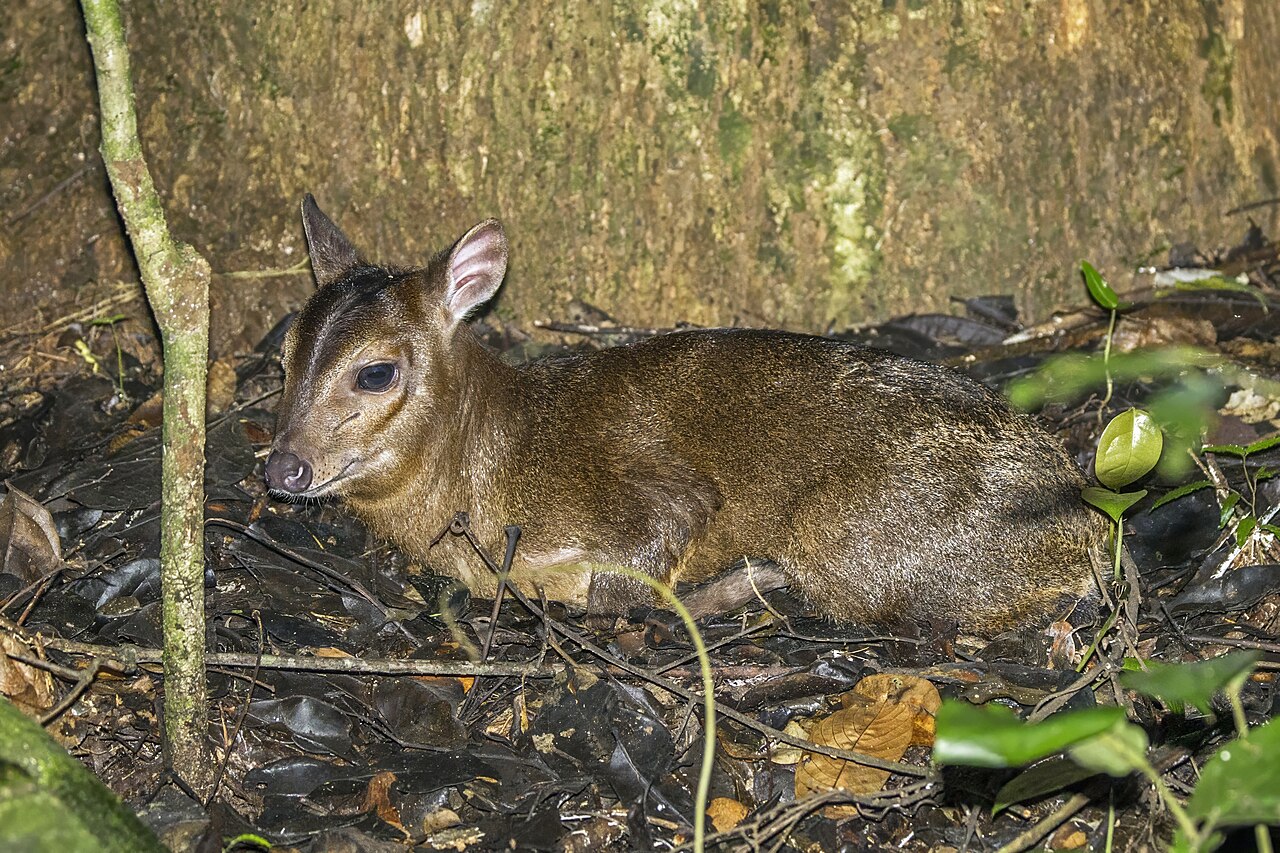
Philantomba maxwellii
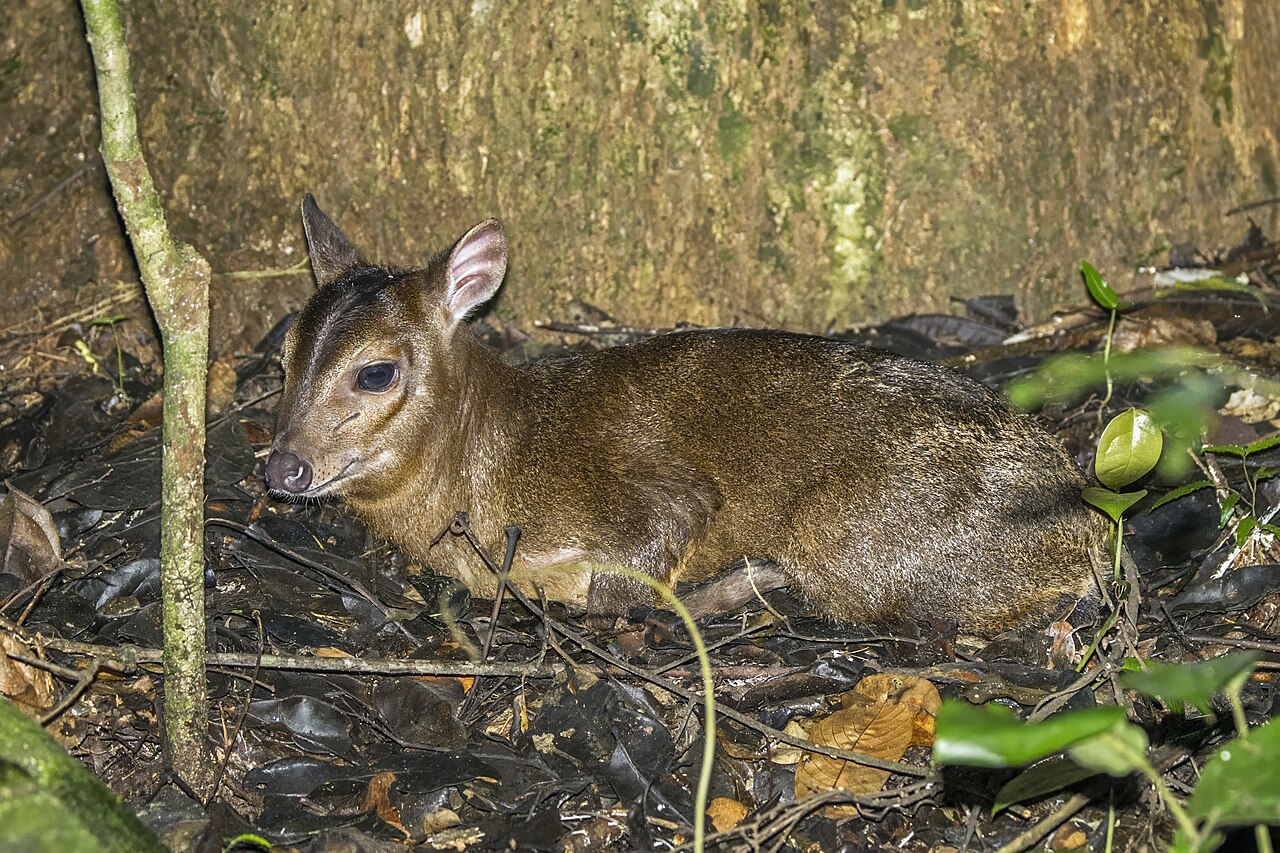
Maxwell's Duiker, or Philantomba maxwellii, is one of Africa's smallest antelopes and a prized though challenging quarry for hunters venturing into West African forests. Standing just 35-42 cm at the shoulder and weighing 6-10 kg, this compact animal features a sleek gray-brown pelage with paler undersides and a prominent white facial blaze. Males sport short, straight horns of 4-5 cm, while both sexes have large, dark eyes adapted to dim forest light. These duikers thrive in dense tropical rainforests and secondary growth from Senegal through Nigeria, favoring thickets near water sources. Shy and mostly solitary or in pairs, they are active by day, browsing on fallen fruits, foliage, and fungi. When alarmed, they freeze motionless or explode into a zigzag dash through the understory, earning their name from the Afrikaans word for diver. Hunters targeting Maxwell's Duiker must contend with limited visibility and the animal's keen senses. Successful pursuits often rely on slow stalking, waiting near fruiting trees, or employing experienced local guides familiar with their trails and dung piles. Though not a large trophy, the hunt tests woodsmanship in some of the continent's most demanding habitats. The species is classified as Least Concern, yet local declines occur from bushmeat hunting and deforestation. Responsible hunters should verify legal seasons, quotas, and conservation fees in host countries to support sustainable populations.
Hunt facts
Where to Find Maxwell's Duiker
Maxwell's Duiker inhabits primary and secondary rainforests as well as dense thickets in West Africa, with a range stretching from Senegal to Nigeria. Prime countries include Liberia, Sierra Leone, Ivory Coast, Ghana and Guinea. These small antelopes favor moist, forested environments with abundant undergrowth for cover. Hunting opportunities are available in Ghana and Ivory Coast through established safari operators, though permits and local laws must be followed. The dry season from November to April generally offers the best conditions as the bush is more open for spotting and tracking. Wet season hunts can be challenging due to heavy vegetation. The terrain is typically dense jungle or woodland with limited visibility, often near streams or forest clearings. To find Maxwell's Duiker, look along well-worn game trails, check for their small pellet droppings, and listen for their sharp whistle alarm. They browse on leaves and fruits, so fruiting trees are good spots. Dawn and dusk are peak activity times. Using local trackers greatly increases success rates in locating these elusive animals.
Why Hunt Maxwell's Duiker
Hunters pursue Maxwell's Duiker for its distinctive trophy qualities, featuring short, sharp horns that make an unusual addition to any African collection. This small antelope presents a significant hunting challenge, living in dense West African forests where tracking through thick vegetation demands patience, skill, and excitement from unexpected close encounters. The meat is highly regarded for its tenderness and rich flavor, often prepared in traditional stews or grilled as a delicacy. Culturally, Maxwell's Duiker holds significance in local West African communities where hunting has been a longstanding tradition. Through regulated hunting, conservation benefits arise as fees support habitat preservation and wildlife management programs. This species offers unique experiences, immersing hunters in lush rainforests and providing a rare opportunity to hunt one of Africa's smallest antelopes in its natural, challenging environment.
Maxwell's Duiker Hunting Tips
Hunting Maxwell's Duiker requires stealth and close-range tactics in West African rainforests. Still-hunt slowly along game trails or sit near fruiting trees at dawn, as these 15-22 pound antelopes move through dense cover. A 12-gauge shotgun with buckshot or a . 223 rifle suits the typical 20-40 yard shots where visibility is poor.
Aim just behind the front shoulder to reach the heart and lungs for a clean kill. Track by watching for small cloven prints, pellet droppings, and browsed leaves while staying downwind and stepping carefully. They feed most actively in early morning and late evening, with drier months improving movement and sight lines.
Avoid long-range or hurried shots that wound animals in thick brush, and never ignore wind or local terrain knowledge. Hunt only with a licensed guide, carry basic first aid, watch for snakes, and fully identify every target. Secure all required permits first, as seasons and rules differ by country.
Featured Outfitters for Maxwell's Duiker
View all


Hunt packages with Maxwell's Duiker
Curated hunt ideas — no price on the page. Enquire and we'll match outfitters after review.
Benin Northern Plains — 10 Days
10 days · Benin
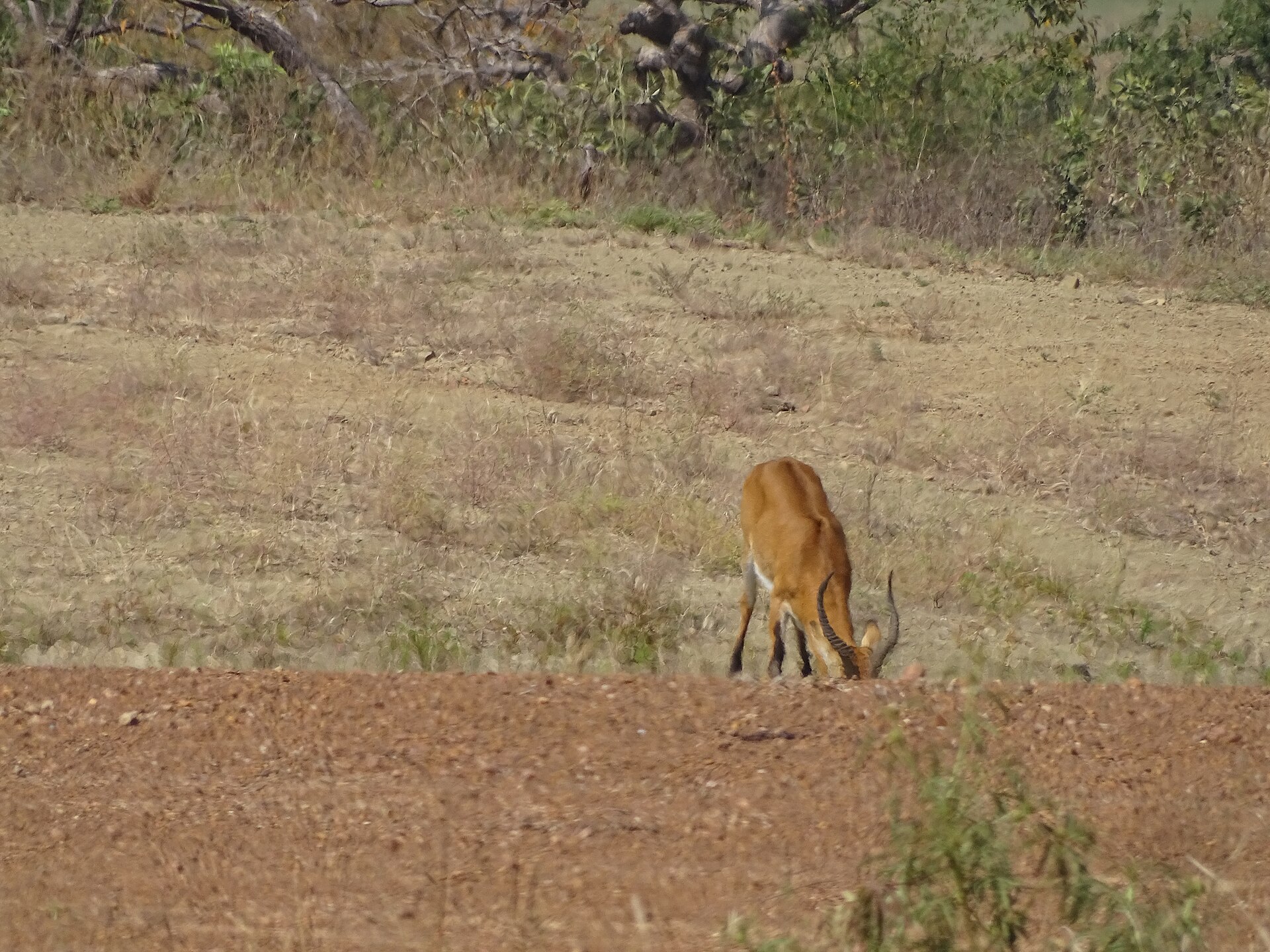
10-day benin northern plains — western hartebeest, buffon's kob, harnessed bushbuck in Alibori savanna.
$15,000 – $19,000
Benin Atakora Bow Small Game — 7 Days
7 days · Benin
7-day benin atakora bow small game — maxwell's duiker, western bush duiker, baboon in Atakora hills (bow).
$8,500 – $11,000
Plan Your Maxwell's Duiker Hunt
Submit a free enquiry and we'll match you with outfitters who hunt Maxwell's Duiker in your region.
Sign Up to Enquire African Civet
 African Wildcat
 Baboon
 Bat-Eared Fox
 Bay Duiker
 Black-Fronted Duiker