Porcupine Hunting
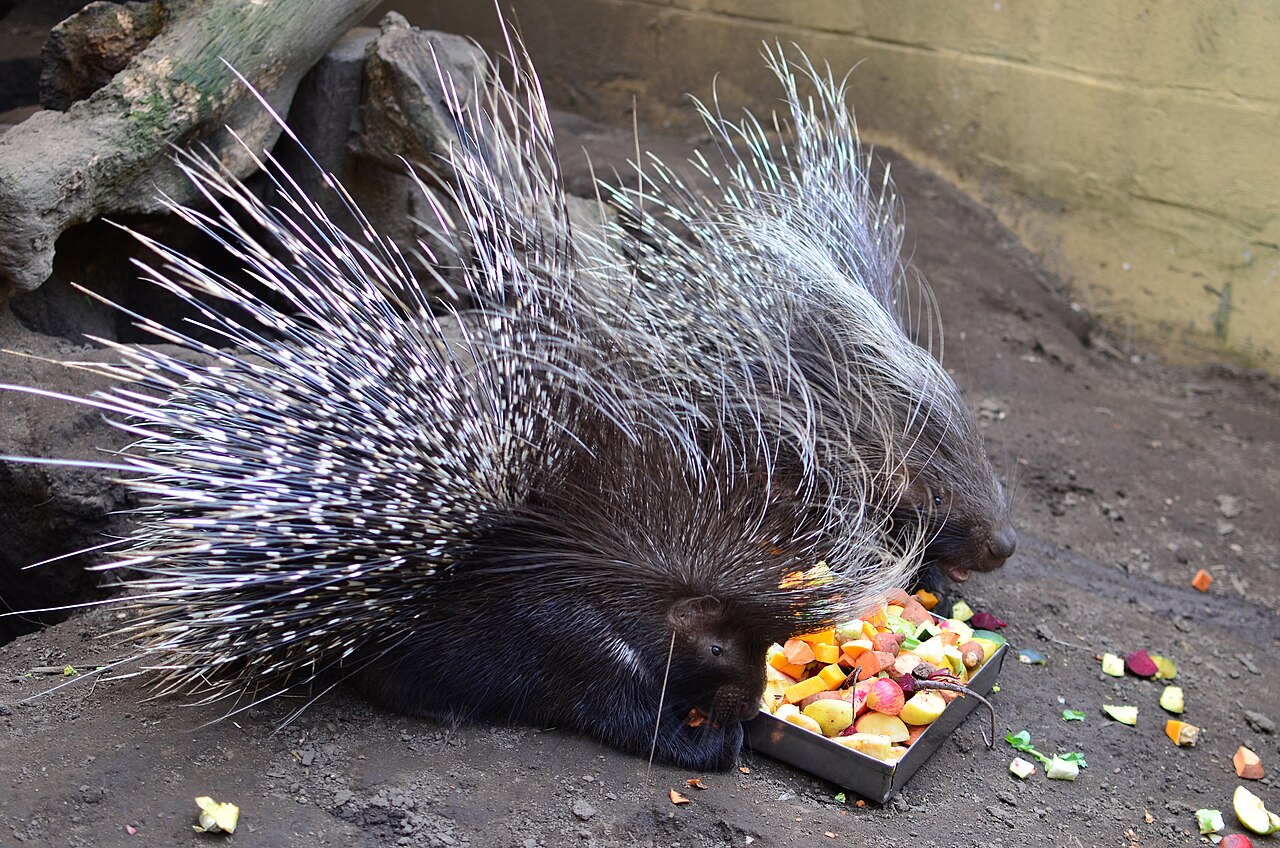
Hystrix cristata
The African crested porcupine, Hystrix cristata, ranks among the world's largest rodents and presents a distinctive challenge for hunters. Adults typically measure 60 to 90 centimeters in body length with a short tail of 8 to 17 centimeters and weigh 10 to 30 kilograms. Their most notable feature is a dense covering of long, stiff quills, some exceeding 30 centimeters, banded in black and white. These quills rattle as a warning and can be driven into attackers when the animal charges backward. Crested porcupines occupy forests, rocky hillsides, grasslands, and farmlands. They are strictly nocturnal, resting by day in extensive self-dug burrows and emerging at dusk to feed on roots, tubers, bark, and crops. This diet frequently brings them into conflict with farmers. They live in small family groups and possess keen hearing. Their range includes Italy and Sicily, North Africa from Morocco through Egypt, and East African nations such as Ethiopia, Kenya, Somalia, Sudan, and Tanzania. Hunters should note their nocturnal habits, which usually require night hunts with lights or dogs to locate burrows. Quills pose a genuine injury risk and demand careful handling. In permitted areas the meat is valued and quills used for crafts. Always confirm local laws, as hunting is allowed in some regions and restricted in others. The species is listed as Least Concern with generally stable populations, though habitat loss and hunting pressure affect certain locales.
Hunt facts
- Countries
- Angola Benin Botswana Burkina Faso Cameroon Central African Republic Ethiopia Mozambique Namibia South Africa Tanzania Uganda Zambia Zimbabwe
- Hunt regions
-
Angola: Cuando Cubango Cunene Huíla Moxico NamibeBenin: Alibori Atakora BorgouBotswana: Central Chobe Ghanzi Kgalagadi North WestCameroon: Adamawa East Far North North SouthCentral African Republic: Bamingui-Bangoran Haute-Kotto Sangha-Mbaéré VakagaEthiopia: Afar Benishangul-Gumuz Oromia SomaliMozambique: Gaza Manica Niassa Sofala Tete ZambeziaNamibia: Erongo Hardap Karas Kavango East Kavango West Khomas Kunene Omaheke Otjozondjupa ZambeziSouth Africa: Eastern Cape Free State Gauteng KwaZulu-Natal Limpopo Mpumalanga North West Northern Cape Western CapeTanzania: Arusha Katavi Lindi Manyara Morogoro Pwani Rukwa Simiyu Singida TaboraUganda: Central Northern WesternZambia: Central Eastern Luapula Muchinga North-Western Southern WesternZimbabwe: Manicaland Mashonaland Central Mashonaland West Masvingo Matabeleland North Matabeleland South Midlands
- Habitat
- Mixed savanna Woodland Bushveld
- Best time to hunt
- May–October (Dry season)
- Mass
- 10–27 kg (22–60 lb)
Where to Find Porcupine
Porcupines inhabit forested habitats across North America, primarily mixed coniferous and deciduous woods, boreal forests, and mountainous regions with abundant trees for bark feeding and dens near rocky outcrops or fallen logs. The best hunting areas are in Canada and the northern and western United States, including Maine, Minnesota, Montana, Idaho, Alaska, Ontario, and British Columbia, where they thrive in extensive woodlands.
They stay active year-round but prove easier to locate in winter through snow tracks and heavy bark feeding, with fall also offering good opportunities. Focus on dense woods, forest edges, pine and aspen stands, and rocky hillsides featuring thick underbrush.
To find them, look for gnawed tree bark, pellet-like droppings, scattered quills, and potential dens in hollow logs, caves, or under rocks. As nocturnal animals, target dawn, dusk, or legal nighttime hunts.
Why Hunt Porcupine
Hunters pursue porcupines for their unique trophy qualities, highlighted by the impressive quills that create striking and unusual mounts unlike any other game animal. The hunting challenge is engaging and exciting, as these primarily nocturnal creatures demand careful tracking in forested habitats, often requiring hunters to spot them in trees and approach with patience and precision. Porcupine meat is lean and flavorful with a taste similar to pork, making it a rewarding culinary experience when prepared in traditional recipes like slow-cooked stews. Culturally, porcupines have significance in Native American traditions where quills are used for intricate artwork and clothing decorations. Hunting provides conservation benefits by helping control populations that can damage trees through overbrowsing, thus supporting healthier forests. This species offers unique experiences, from the thrill of a close-range encounter with their defensive quills to the satisfaction of harvesting an often-overlooked but fascinating animal in the wild.
Porcupine Hunting Tips
Porcupines can be successfully hunted using still hunting and stalking methods in their forest habitats. Focus on areas with conifer trees where they feed, looking both on the ground and in the branches. They are most active from dusk to dawn. The best times are early morning, evening, and winter months when snow aids in locating them. Local seasons often allow year-round hunting but confirm with wildlife agencies.
A . 22 caliber rifle is ideal equipment, offering accuracy and sufficient power, or a shotgun for closer ranges. Always use appropriate ammunition for clean, ethical shots. For shot placement, target the brain or the vital organs in the chest to ensure a quick dispatch. Avoid body shots that might not penetrate well due to their size and quills.
Tracking involves searching for distinctive tracks, droppings, and signs of bark damage on trees. Stalk slowly as they rarely flee quickly. Common mistakes include approaching too closely without caution, failing to identify the animal properly, and neglecting local laws. Safety considerations encompass wearing protective gear against quills, maintaining firearm safety, not hunting near roads or people, and handling the animal carefully after the shot to prevent injury from remaining quills.
Featured Outfitters for Porcupine
View all


Hunt packages with Porcupine
Curated hunt ideas — no price on the page. Enquire and we'll match outfitters after review.
ZA Ranch Small Game — 5 Days
5 days · South Africa
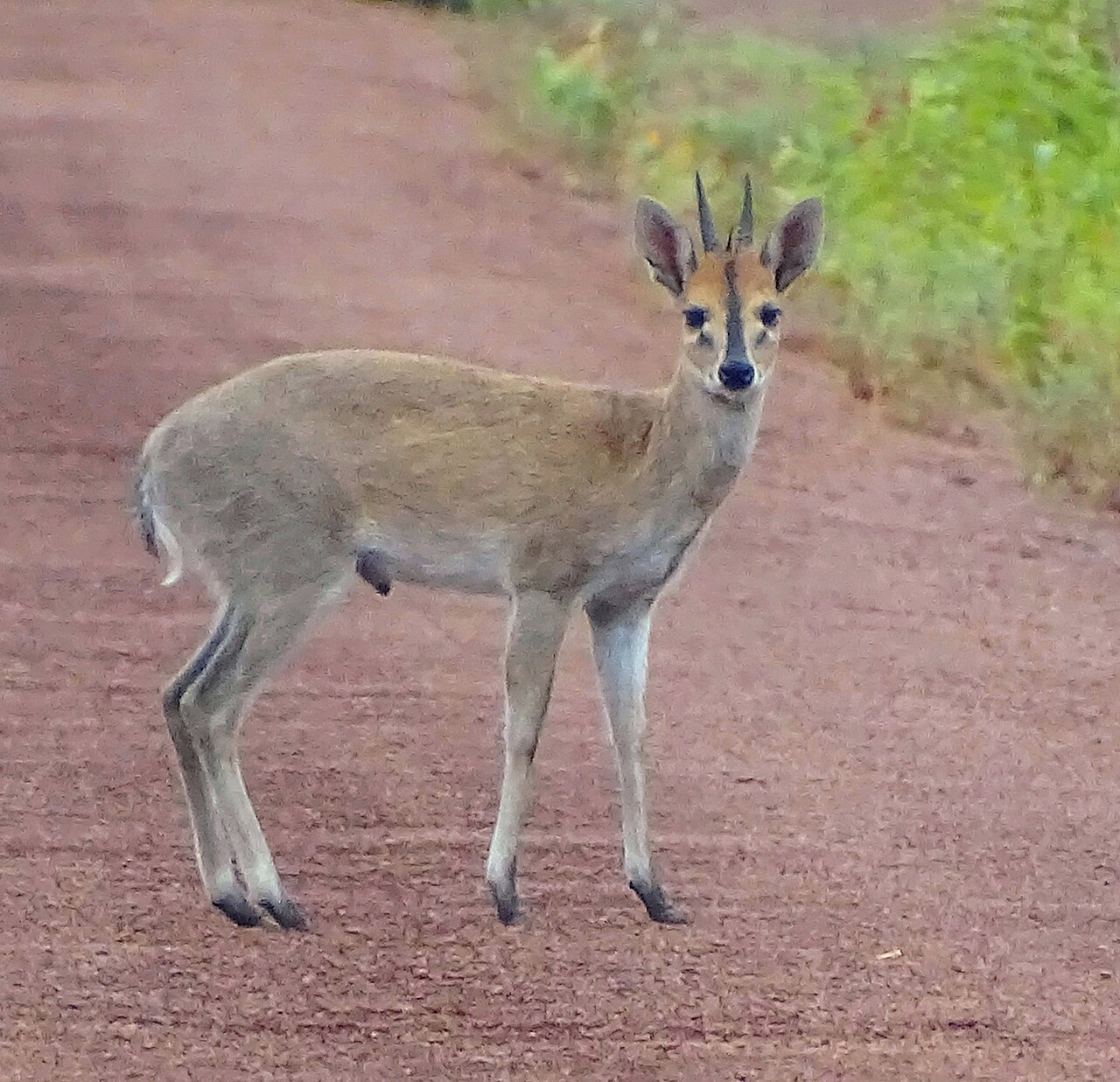
5-day za ranch small game — common duiker, steenbok, porcupine in Free State farm small game.
$4,800 – $5,800
Cameroon Far North Small Game — 7 Days
7 days · Cameroon
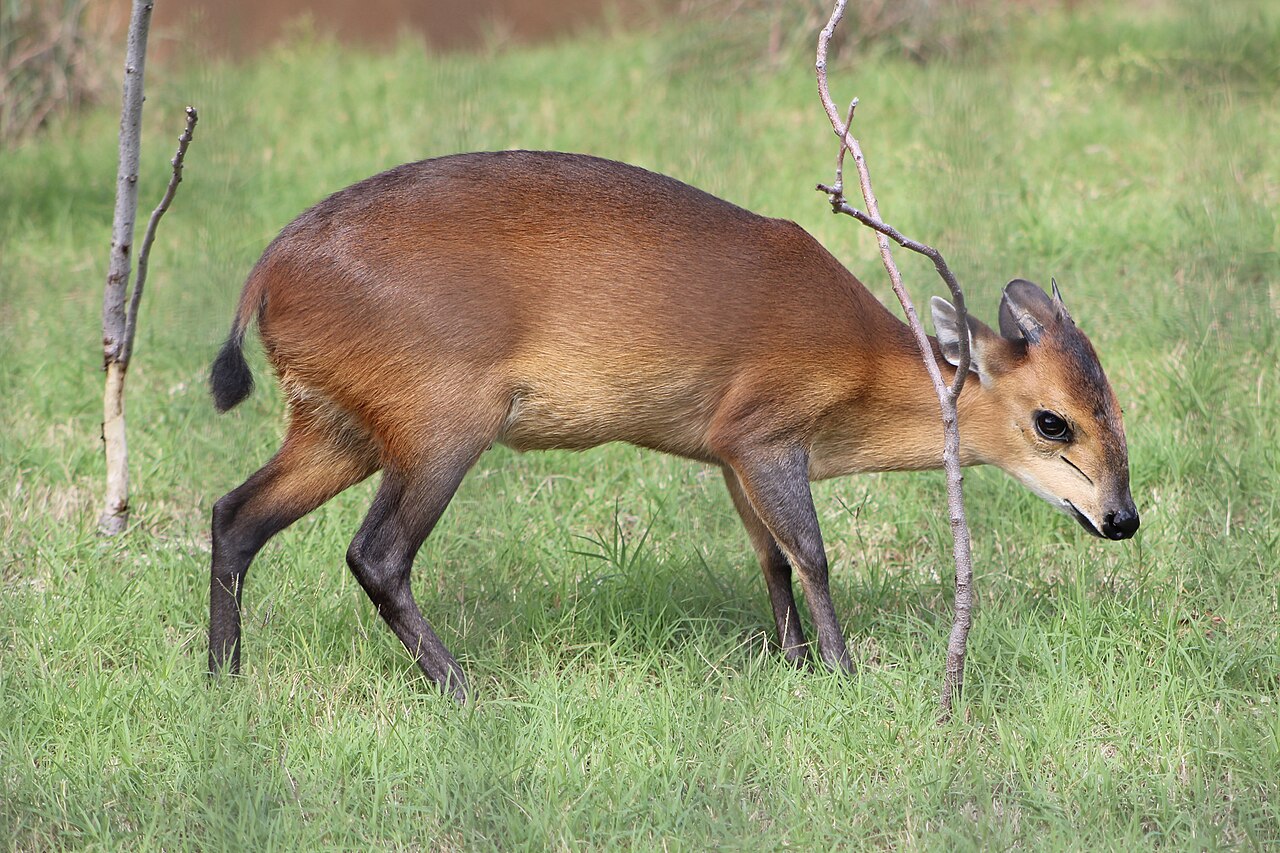
7-day cameroon far north small game — red-flanked duiker, western bush duiker, porcupine in Far North scrub.
$9,000 – $12,000
Benin Atakora Bow Small Game — 7 Days
7 days · Benin
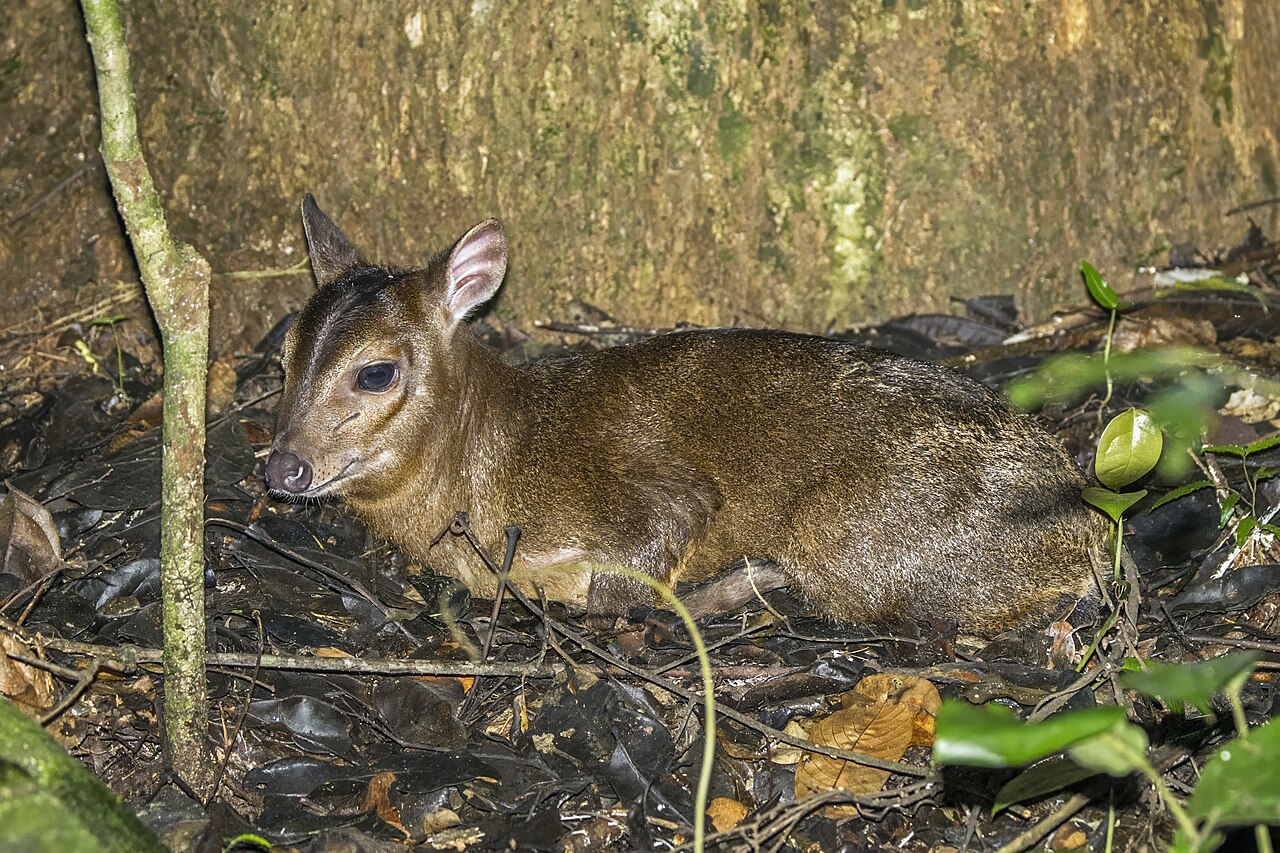
7-day benin atakora bow small game — maxwell's duiker, western bush duiker, baboon in Atakora hills (bow).
$8,500 – $11,000
Namibia Night Small Game — 5 Days
5 days · Namibia
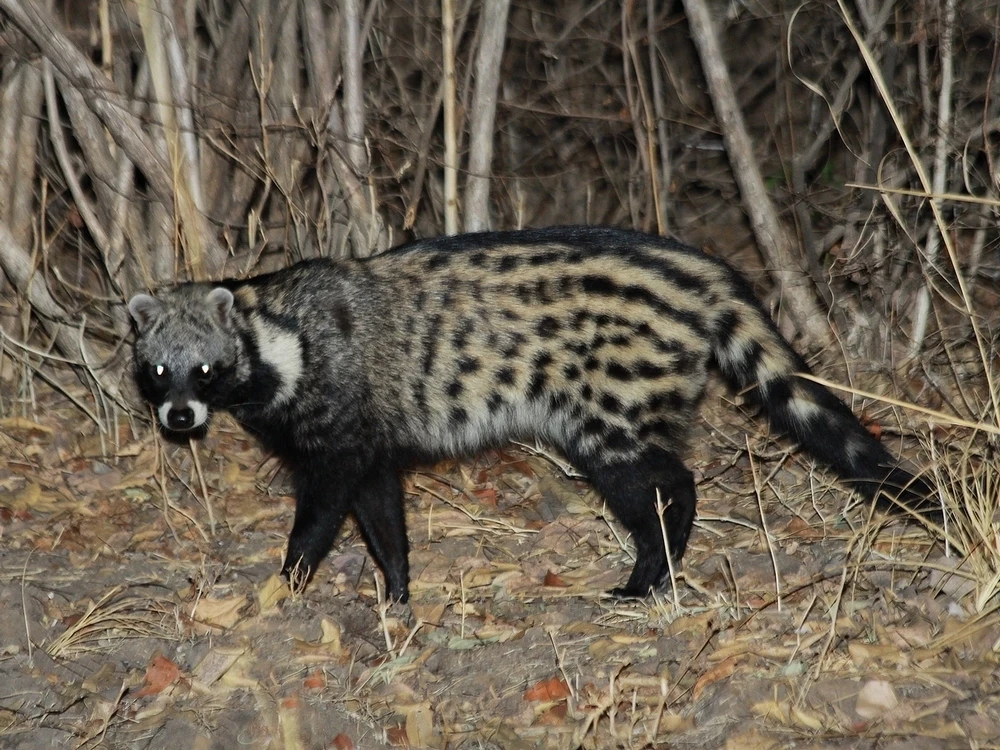
5-day namibia night small game — african civet, bat-eared fox, aardwolf in Omaheke farms.
$5,200 – $6,500
Zambia Riverine Small Game — 6 Days
6 days · Zambia
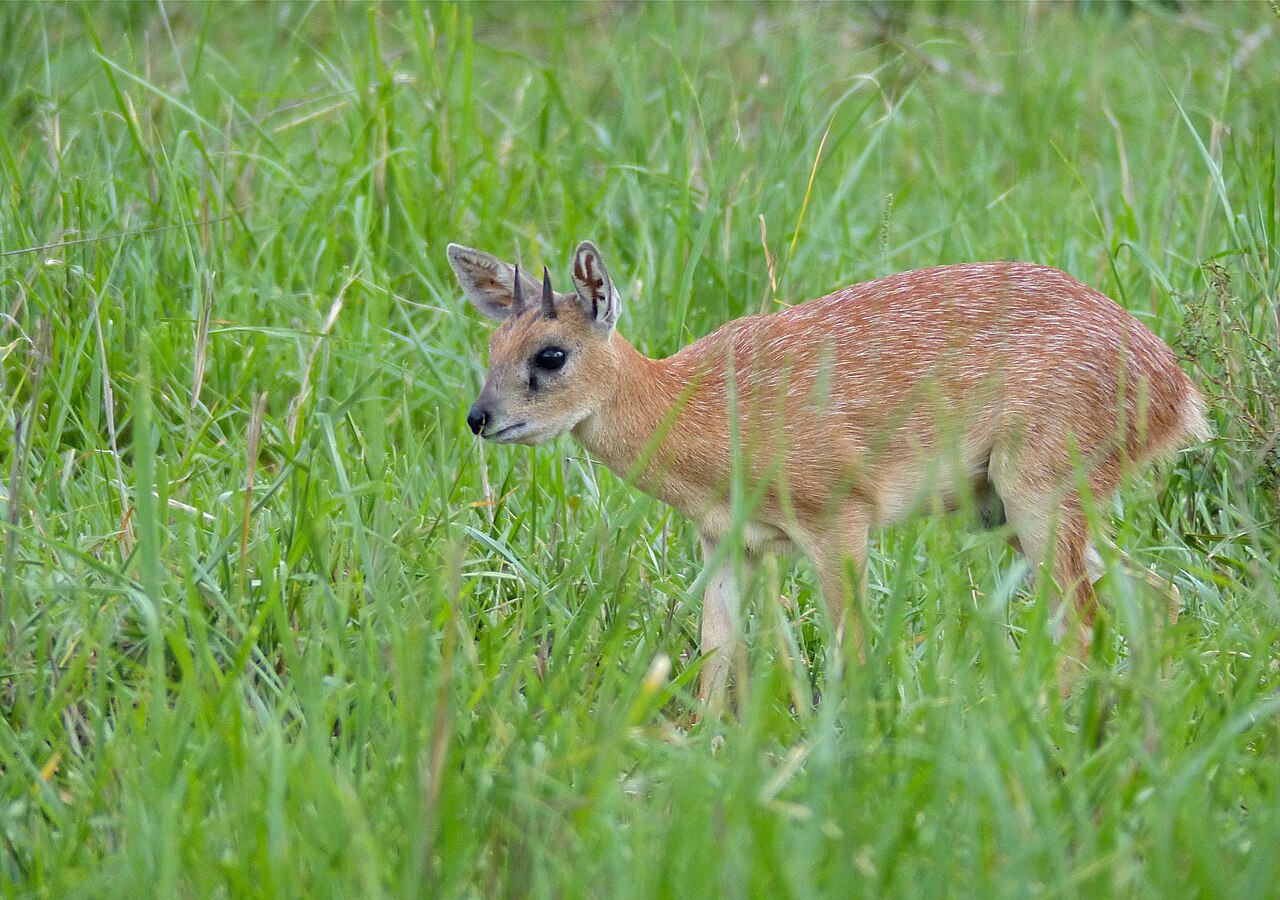
6-day zambia riverine small game — sharpe's grysbok, common duiker, porcupine in Eastern Luangwa riverine.
$6,500 – $8,000
Adamawa Plains — 8 Days
8 days · Cameroon
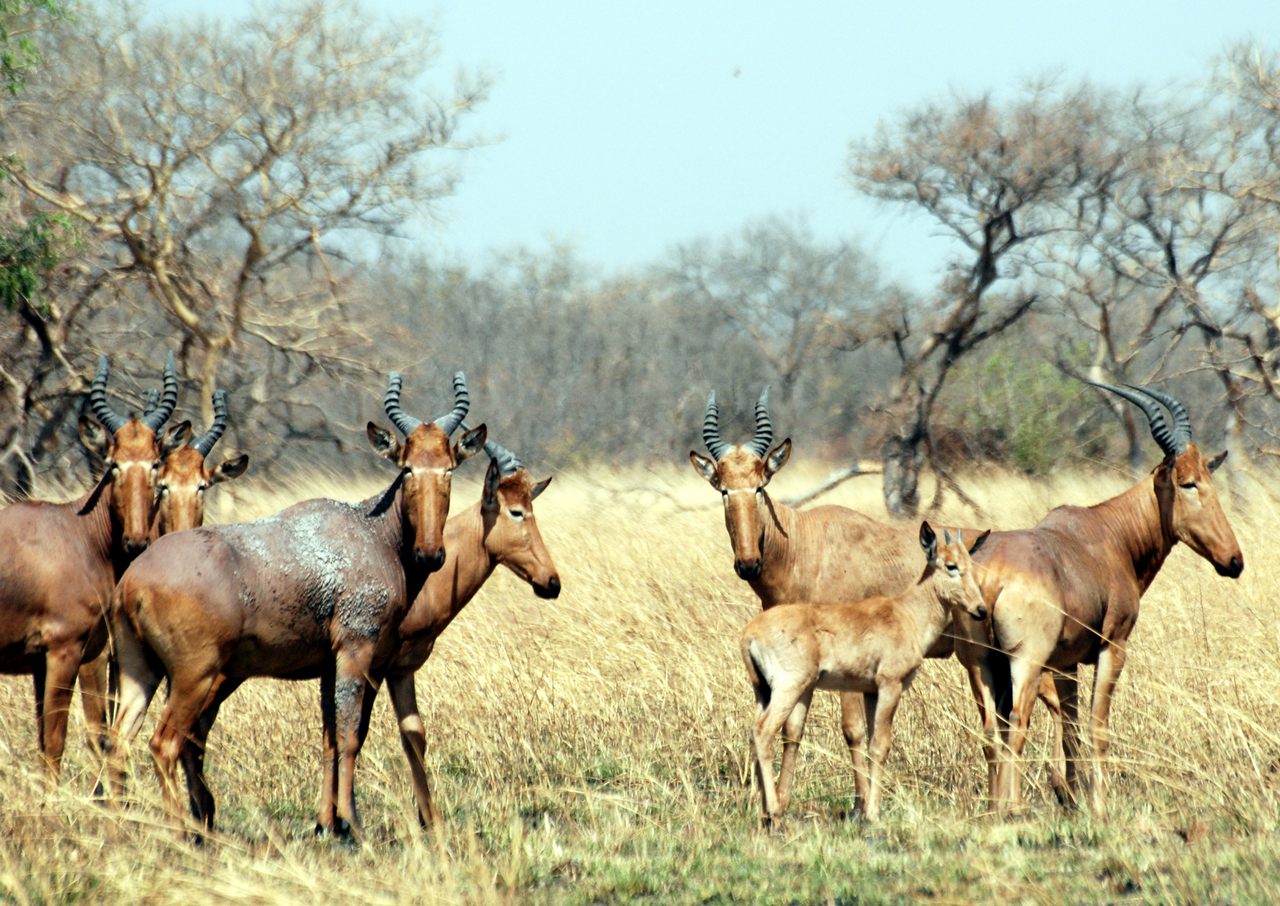
Eight days Adamawa — western hartebeest, harnessed bushbuck and small game.
$12,000 – $15,000
Plan Your Porcupine Hunt
Submit a free enquiry and we'll match you with outfitters who hunt Porcupine in your region.
Sign Up to Enquire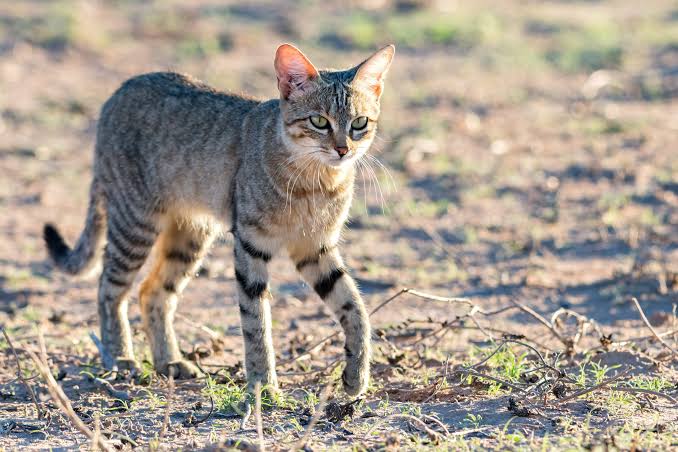 African Wildcat
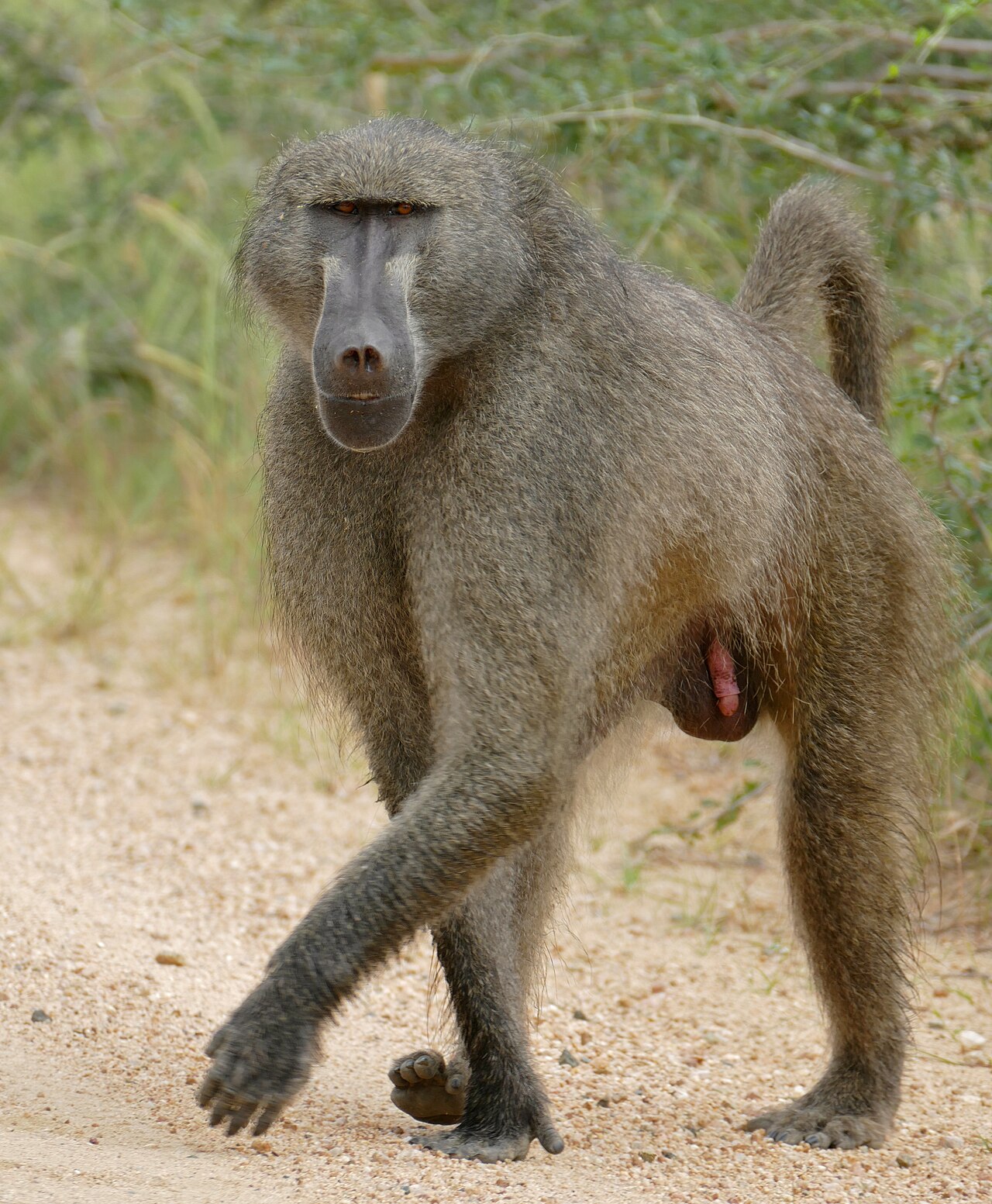 Baboon
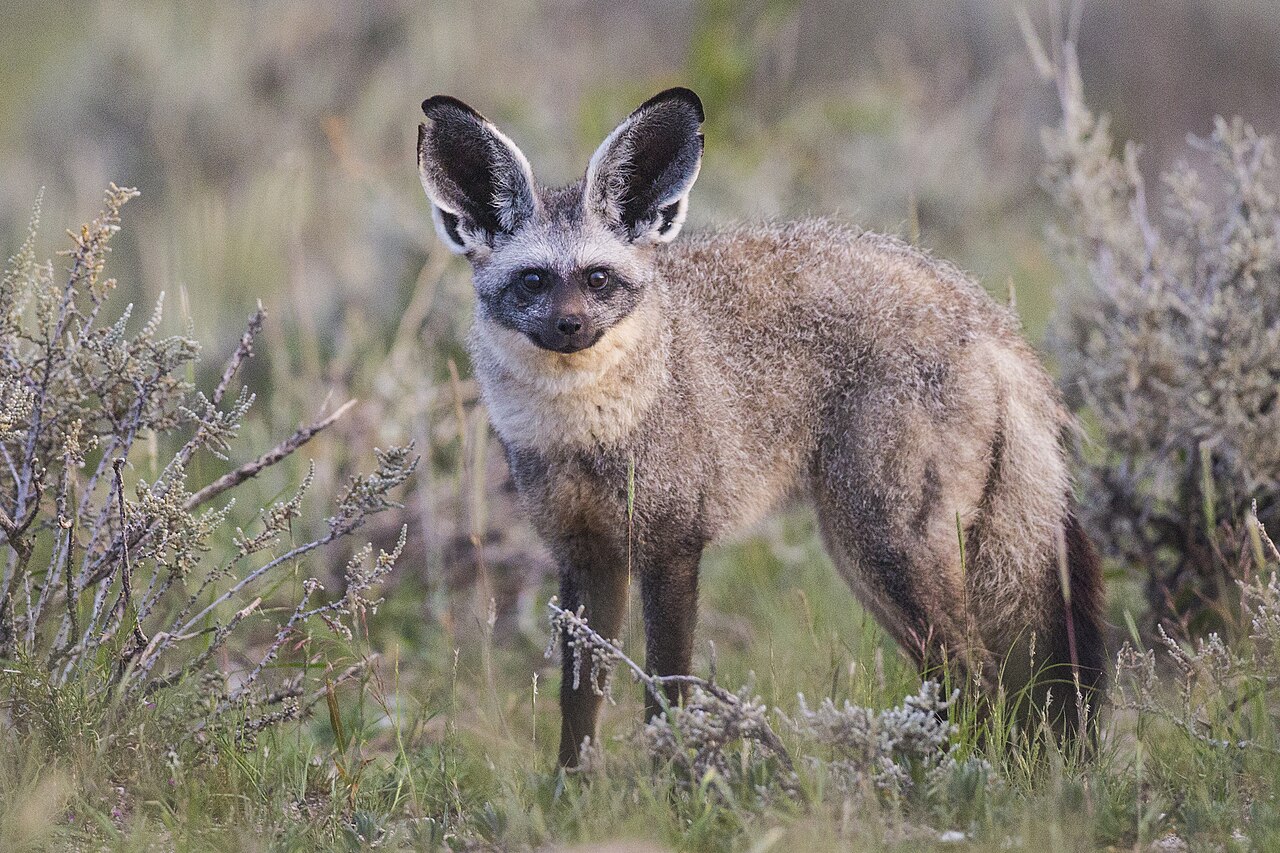 Bat-Eared Fox
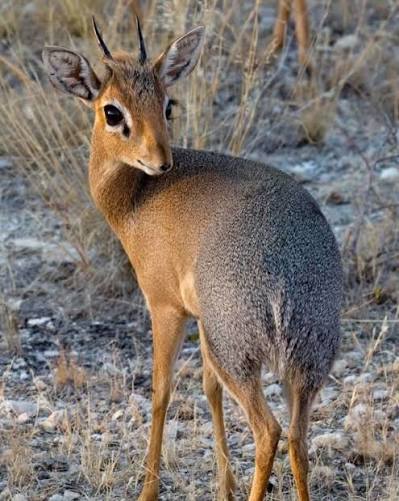 Bay Duiker
 Black-Fronted Duiker