Red Duiker Hunting
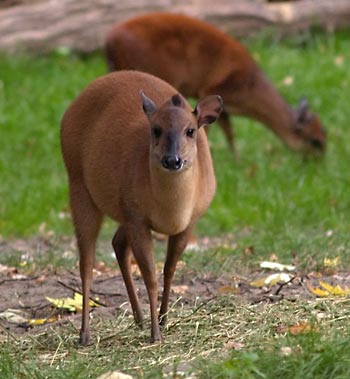
Cephalophus natalensis
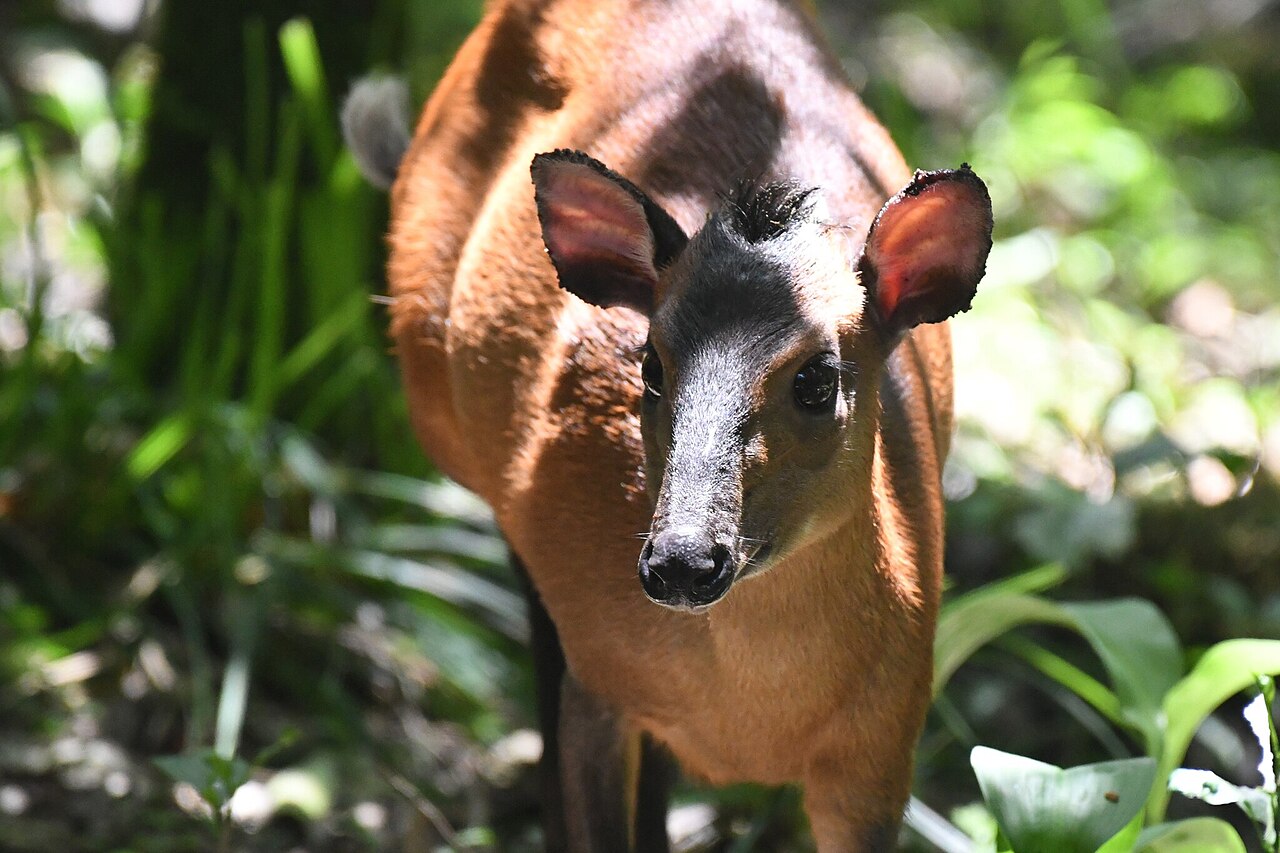
The Red Duiker, or Natal red duiker (Cephalophus natalensis), is a compact forest antelope that rewards patient hunters with a distinctive reddish trophy and a true test of close-cover skill. Adults stand 15 to 18 inches at the shoulder and weigh 22 to 31 pounds. The coat is a rich chestnut-red, darkest on the back and paler below, with a conspicuous white underside to the tail that flashes when the animal bolts. Both sexes carry short, straight, backward-pointing horns averaging 2 to 4 inches; the small, pointed horns and vivid color make a mounted head instantly recognizable. These duikers occupy dense coastal forests, riverine thickets, and montane woodland from Kenya and Tanzania south through Mozambique, Zimbabwe, Malawi, and eastern South Africa. They are mostly solitary or live in pairs, remaining hidden by day and moving along well-worn trails at dawn and dusk to feed on fallen fruit, leaves, and flowers. Their secretive habits and preference for impenetrable cover mean hunters typically encounter them at very close range. For the hunter the Red Duiker is a classic still-hunt or driven-hunt animal. Success depends on quiet movement, reading sign in heavy bush, and a quick, precise shot with a light rifle or shotgun. It is frequently taken as part of mixed-bag plains-game hunts in Mozambique and KwaZulu-Natal, adding both challenge and a unique small-antelope trophy to the collection. Populations remain stable and the species is listed as Least Concern, with regulated hunting contributing to habitat protection in several range countries.
Hunt facts
- Countries
- Mozambique South Africa Tanzania Zambia Zimbabwe
- Hunt regions
-
Mozambique: Manica Niassa SofalaSouth Africa: KwaZulu-NatalTanzania: Lindi Morogoro PwaniUganda: WesternZambia: Eastern MuchingaZimbabwe: Manicaland Masvingo
- Habitat
- Woodland Forest Coastal
- Best time to hunt
- May–October (Dry season)
- Mass
- 12–14 kg (26–31 lb)
- Trophy minimum
-
- SCI (inches): 8
- SCI bow: 7 6/16
- Rowland Ward (inches): 2 8/16
- Rowland Ward record: 4 2/16
Typical record-book minimums; confirm the current edition with your professional hunter.
Where to Find Red Duiker
The Red Duiker inhabits dense coastal forests, thickets and riverine bush across eastern and southern Africa. Prime hunting locations include South Africa's KwaZulu-Natal and Eastern Cape, Mozambique coastal concessions, and suitable areas of Zimbabwe and Tanzania. These shy antelope favor thick, humid cover of tangled vegetation and forest undergrowth. Hunting is most effective in the dry season from May to October when thinner foliage aids visibility and tracking. The terrain demands slow, quiet movement through challenging bush. Locate them at dawn and dusk along game trails by watching for small tracks and droppings, using local trackers who know their secretive habits in dense habitat.
Why Hunt Red Duiker
The Red Duiker captivates hunters with its compact trophy, the males sporting small, sharp horns that represent a prized addition for those collecting Africa's diminutive antelopes. Stalking this secretive animal through thick coastal forests and dense bushveld delivers an intense challenge, as its keen senses and camouflage demand stealthy approaches and often result in heart-pounding close-range shots that test a hunter's nerves and marksmanship. Its meat is highly regarded, tender and mildly gamey, perfect for potjies or roasted over open fires, providing both sustenance and a culinary highlight of the safari. Traditionally, communities have valued the Red Duiker in folklore and as a source of protein, adding cultural depth to the pursuit. Hunting under regulated quotas supports conservation, with fees aiding habitat preservation and research that benefits the species. This hunt offers a distinctive forest experience unlike savannah game, immersing you in the sights and sounds of Africa's undergrowth for an unforgettable adventure.
Red Duiker Hunting Tips
Red duiker hunting demands stealth in dense forest cover where these small antelope hide. Still-hunt or stalk slowly into the wind, pausing often to listen for rustling or alarm calls while scanning thickets with binoculars. Early morning and late afternoon during the dry season offer the best activity and slightly improved visibility as vegetation thins.
Use a lightweight rifle in . 223 or . 243 with a low-power scope, or a shotgun with appropriate loads for close bush shots. Aim precisely at the heart-lung area just behind the shoulder, roughly four to six inches above the brisket, because the target is tiny and a miss or poor hit lets them vanish instantly.
Watch for small tracks, droppings, and browsed leaves to locate them, then close the distance without rushing. Avoid long-range shots, shooting at running animals, or ignoring wind direction, all of which commonly result in lost game.
Always confirm the target completely before firing, stay aware of snakes and other bush hazards, and follow local laws plus ethical standards. A knowledgeable guide greatly improves success and safety in unfamiliar habitat.
Featured Outfitters for Red Duiker
View all
Hunt packages with Red Duiker
Curated hunt ideas — no price on the page. Enquire and we'll match outfitters after review.
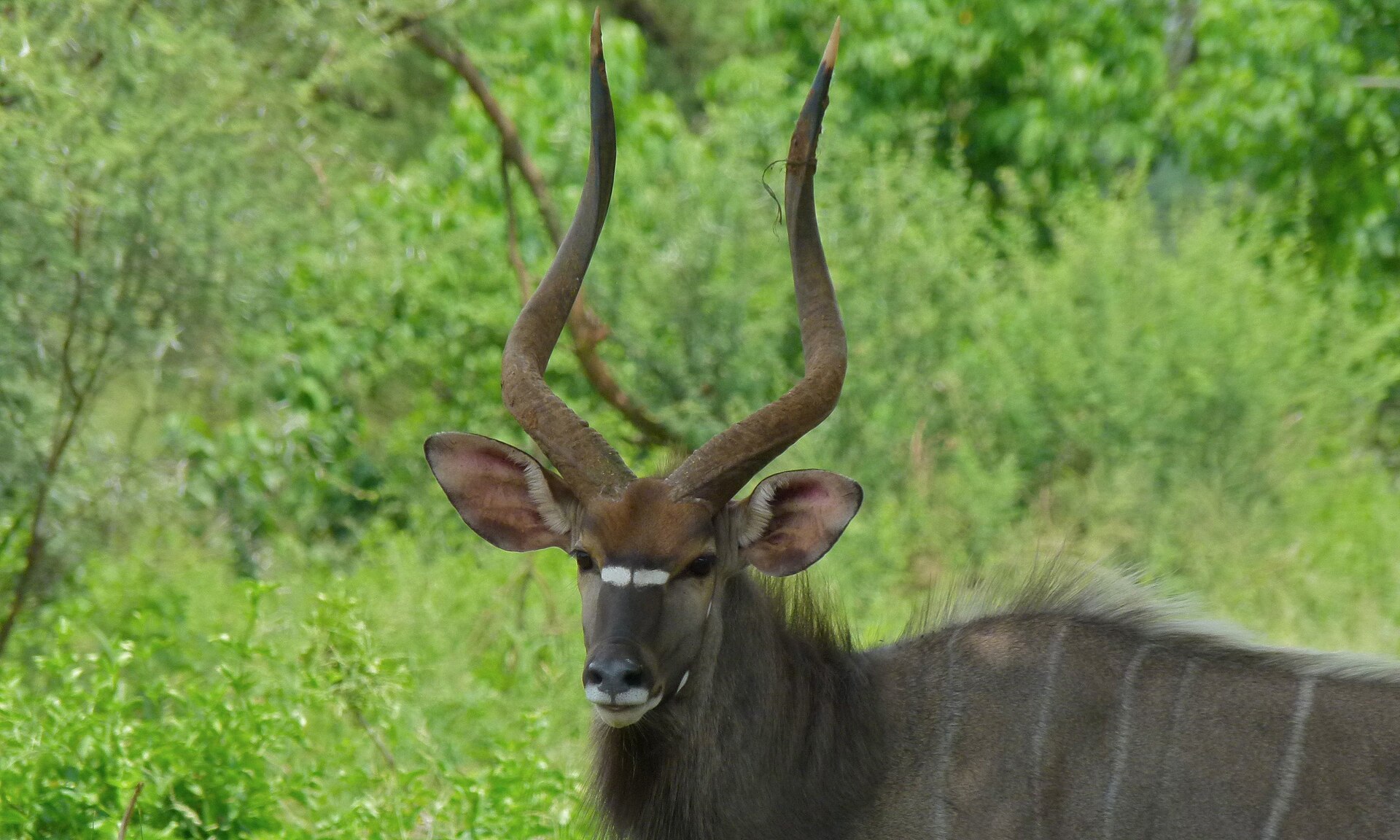
KZN Nyala & Bushbuck — 7 Days
7 days · South Africa
7-day kzn nyala & bushbuck — nyala, bushbuck, impala in KwaZulu-Natal coastal bush.
$8,800 – $10,000
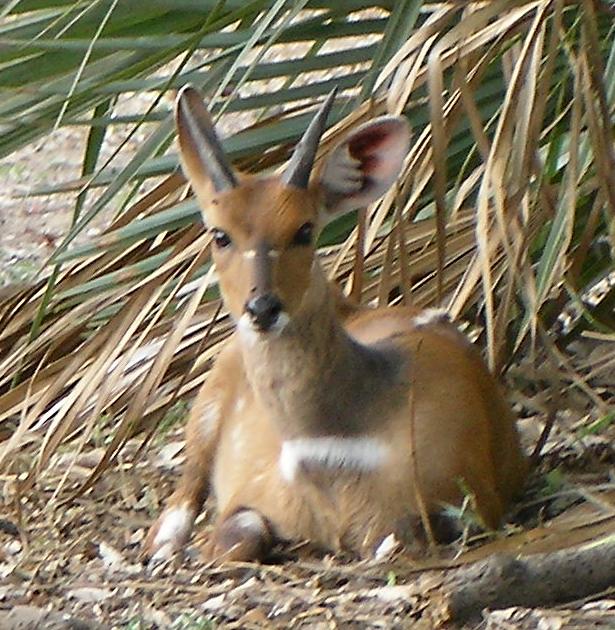
Zambezia Coastal Plains — 8 Days
8 days · Mozambique
8-day zambezia coastal plains — impala, bushbuck, warthog in Zambezia coastal woodland.
$9,800 – $11,500
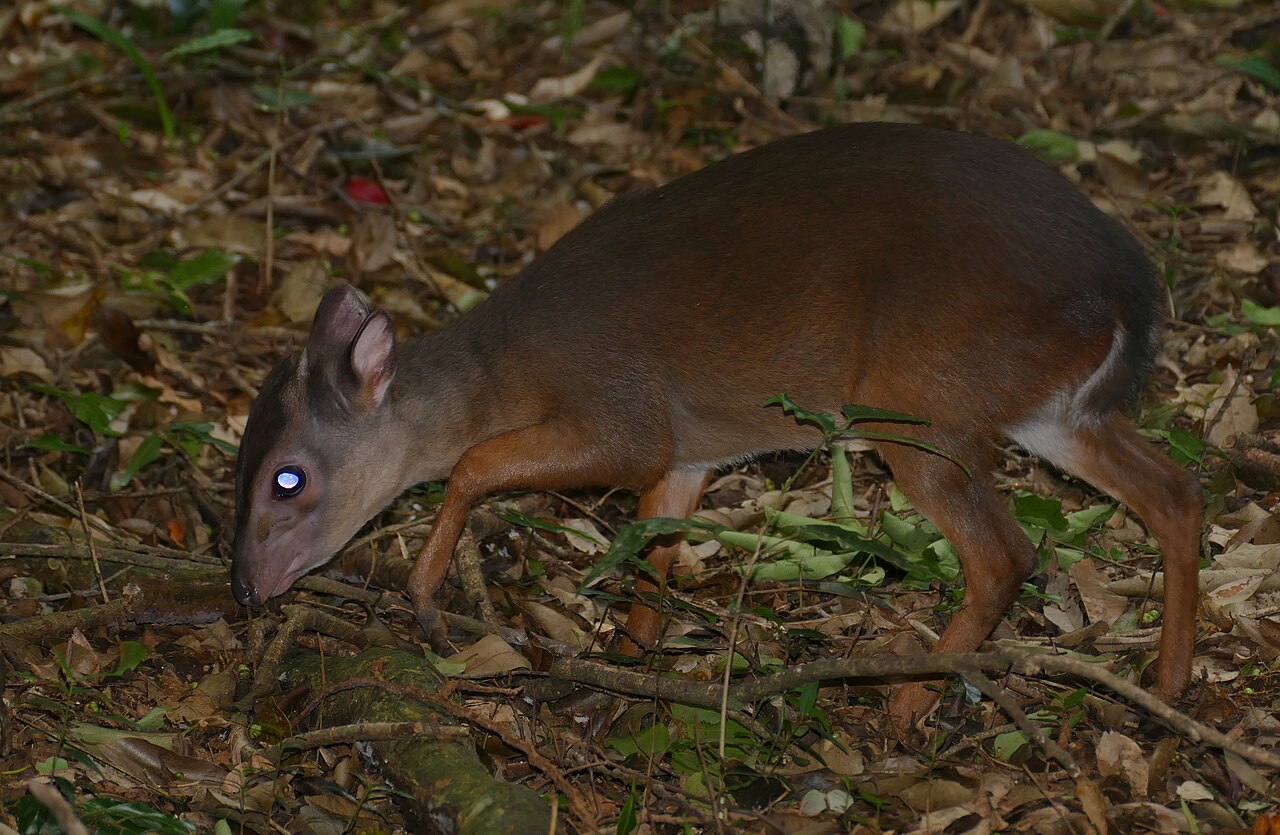
Mozambique Duiker Specialty — 7 Days
7 days · Mozambique
7-day mozambique duiker specialty — blue duiker, red duiker, suni in Sofala thicket.
$7,800 – $9,200
Tanzania Harvey Duiker & Bushbuck — 8 Days
8 days · Tanzania
8-day tanzania harvey duiker & bushbuck — harvey's red duiker, east african bush duiker, east african bushbuck in Morogoro thicket / miombo…
$9,500 – $11,500
Plan Your Red Duiker Hunt
Submit a free enquiry and we'll match you with outfitters who hunt Red Duiker in your region.
Sign Up to Enquire African Civet
 African Wildcat
 Baboon
 Bat-Eared Fox
 Bay Duiker
 Black-Fronted Duiker