Red-Flanked Duiker Hunting
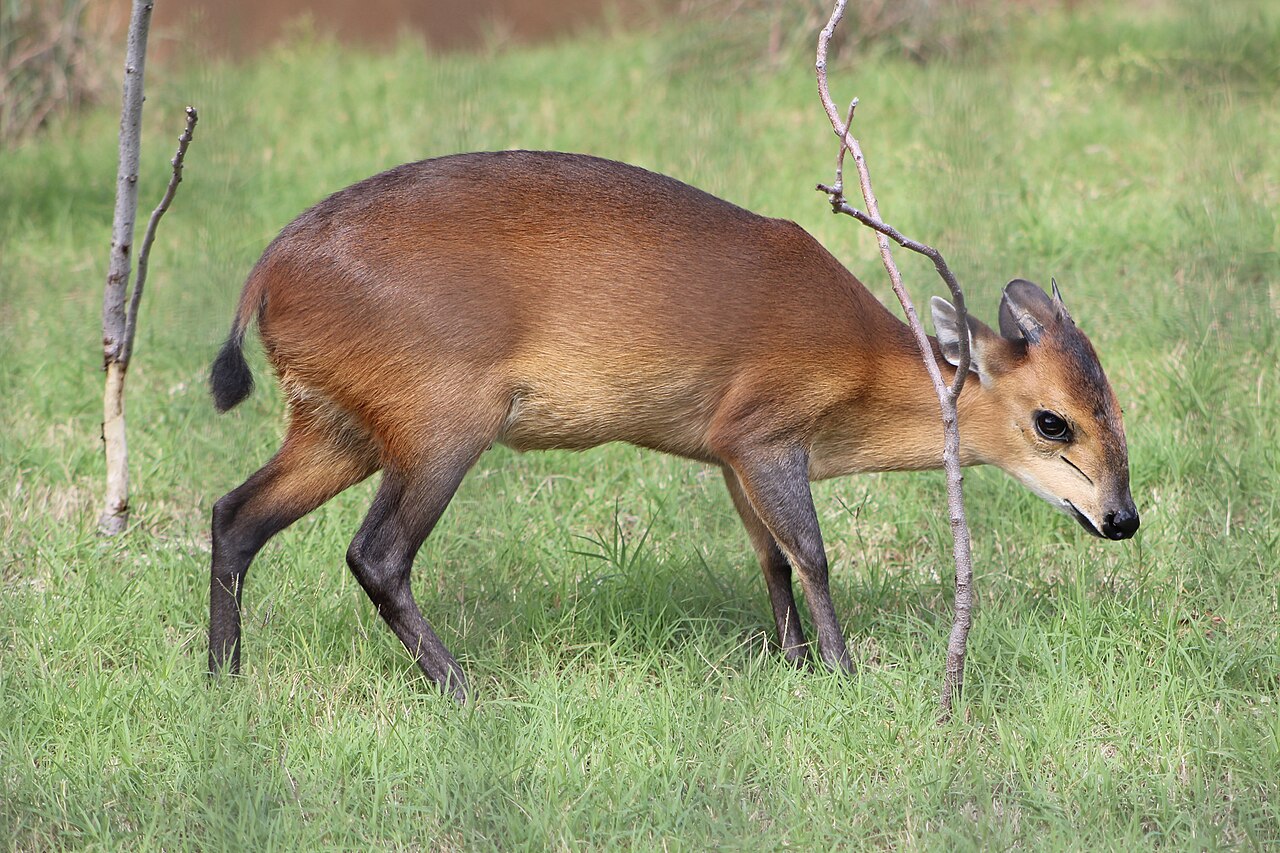
Cephalophus rufilatus
The Red-Flanked Duiker is a compact West African antelope that rewards patient hunters with a distinctive trophy and excellent table fare. Adults stand 12 to 16 inches at the shoulder and weigh 13 to 31 pounds. The coat shows rich reddish flanks that give the species its name, a darker brown back crossed by a black dorsal stripe, gray facial markings with a dark nose line, and paler underparts. Both sexes carry short, straight horns of 2 to 4 inches, slightly heavier in males. These duikers occupy forest edges, gallery forests, and wooded savannas from Senegal and Gambia eastward through Guinea, Ghana, Nigeria, and Cameroon into the Central African Republic. They are territorial browsers that feed on leaves, shoots, and fallen fruit, usually living alone or in pairs. Most active at dawn, dusk, and night, they travel hidden trails through thick cover and freeze or bound away when alarmed. Hunters encounter them while still-hunting game paths or during driven hunts in dense thickets. Their small size, camouflage, and preference for heavy vegetation demand close-range shots and careful tracking. The modest horns add variety to a mixed African bag, and the meat is widely regarded as among the finest of the small antelopes. Legal hunting is available in several range countries under proper licenses and seasons. The species is listed as Least Concern, though habitat loss and unregulated hunting have reduced numbers in some areas. Regulated hunting fees help fund habitat protection and management that keep populations viable.
Hunt facts
- Countries
- Benin Burkina Faso Cameroon Central African Republic
- Hunt regions
-
Benin: Alibori Atakora BorgouCameroon: Adamawa East Far North North SouthCentral African Republic: Bamingui-Bangoran Haute-Kotto Sangha-Mbaéré Vakaga
- Habitat
- Mixed savanna Woodland Forest
- Best time to hunt
- May–October (West / Central dry season)
- Mass
- 10–15 kg (22–33 lb)
Where to Find Red-Flanked Duiker
The red-flanked duiker inhabits forest-savanna mosaics and gallery forests across West Africa from Senegal to Cameroon and the Central African Republic. They prefer dense thickets, woodland edges, and areas near rivers. Cameroon and CAR provide the best regulated hunting opportunities through licensed safari operators. Hunt during the dry season from November to March for better visibility as vegetation thins and animals stay near water. Terrain features mixed woodlands with heavy undergrowth. Locate them by exploring forest-savanna transitions at dawn and dusk, listening for alarm calls, and looking for tracks near cover and water sources. These shy animals remain close to dense vegetation.
Why Hunt Red-Flanked Duiker
Hunters are captivated by the Red-Flanked Duiker's trophy qualities, notably its sleek reddish-brown coat accented by bright flanks and short, elegant horns that complete many African game collections. The pursuit ranks as a challenging yet thrilling endeavor, calling for stealthy tracking in humid forests where the animal's alertness and speed create pulse-pounding moments of discovery. Meat from the duiker is exceptional, tender and mildly gamey, lending itself well to traditional recipes and modern cuisine alike. Culturally, it features in the hunting heritage of West African peoples, often appearing in local legends. Sustainable hunting practices benefit conservation through funds directed toward habitat safeguarding and community involvement. What sets this hunt apart are the distinctive experiences of navigating tangled understory, listening for rustles, and connecting with the wild heart of the African bush in a way few other species allow.
Red-Flanked Duiker Hunting Tips
The red-flanked duiker is a small antelope inhabiting dense woodlands and forest edges in West and Central Africa. Effective hunting relies on slow stalking or still-hunting with skilled local trackers who can spot the animals in thick cover and read their signs. These duikers are crepuscular, so the best times are just after dawn and before dusk. The dry season typically offers improved visibility and easier tracking compared to the wet months. Recommended equipment includes a light to medium rifle such as the . 243 Winchester or 6. 5 Creedmoor using 100 to 140 grain expanding bullets. A 2-7x or similar variable scope and good binoculars aid in the close-range shots common in this habitat. Shot placement should be the heart-lung zone right behind the front shoulder. These animals weigh only 10 to 15 kilograms, so a well-aimed shot drops them quickly, but a poor hit allows them to disappear into dense vegetation. Look for small heart-shaped hoof prints, pellet droppings, and browse marks near fruit trees. Always hunt into the wind, move slowly, and glass frequently. Common mistakes include taking running shots, hunting in the heat of the day when they rest, using too heavy a caliber that ruins the meat, and failing to confirm the species. Hunt only in licensed areas with a professional hunter. Practice standard gun safety, stay alert for snakes and other wildlife, and never shoot without a clear background.
Featured Outfitters for Red-Flanked Duiker
View all

Hunt packages with Red-Flanked Duiker
Curated hunt ideas — no price on the page. Enquire and we'll match outfitters after review.
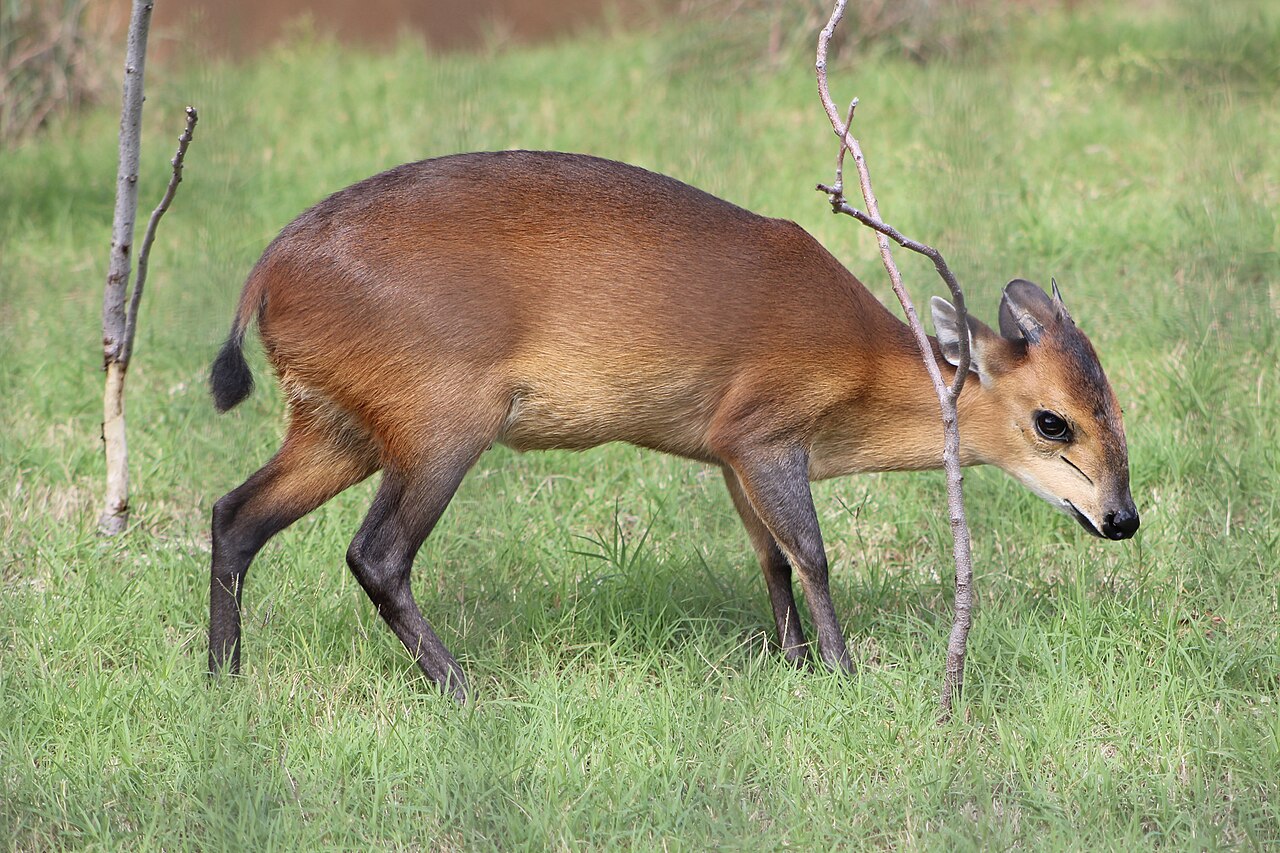
Cameroon Far North Small Game — 7 Days
7 days · Cameroon
7-day cameroon far north small game — red-flanked duiker, western bush duiker, porcupine in Far North scrub.
$9,000 – $12,000
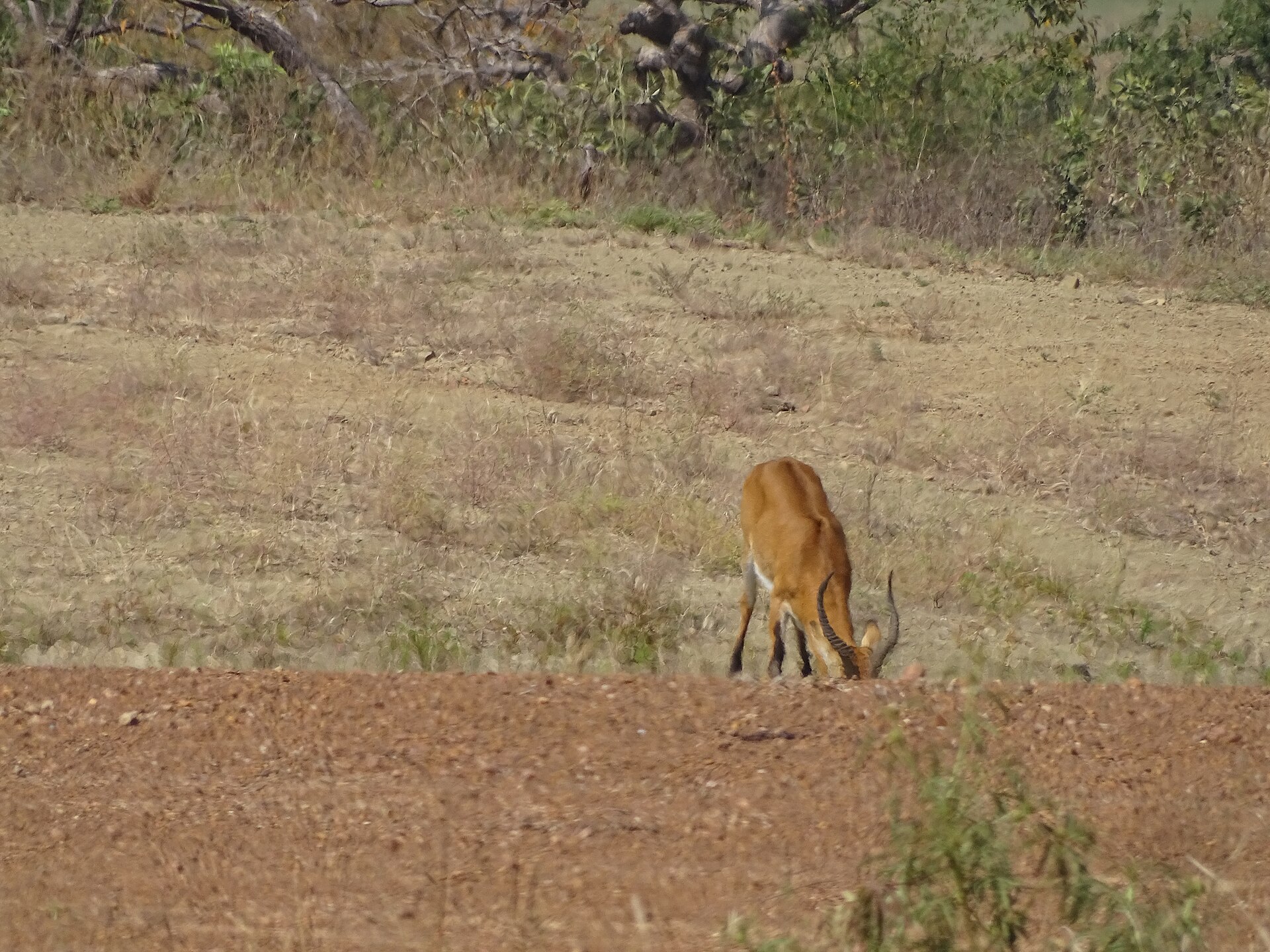
Benin Northern Plains — 10 Days
10 days · Benin
10-day benin northern plains — western hartebeest, buffon's kob, harnessed bushbuck in Alibori savanna.
$15,000 – $19,000
Plan Your Red-Flanked Duiker Hunt
Submit a free enquiry and we'll match you with outfitters who hunt Red-Flanked Duiker in your region.
Sign Up to Enquire African Civet
 African Wildcat
 Baboon
 Bat-Eared Fox
 Bay Duiker
 Black-Fronted Duiker