Sharpe's Grysbok Hunting
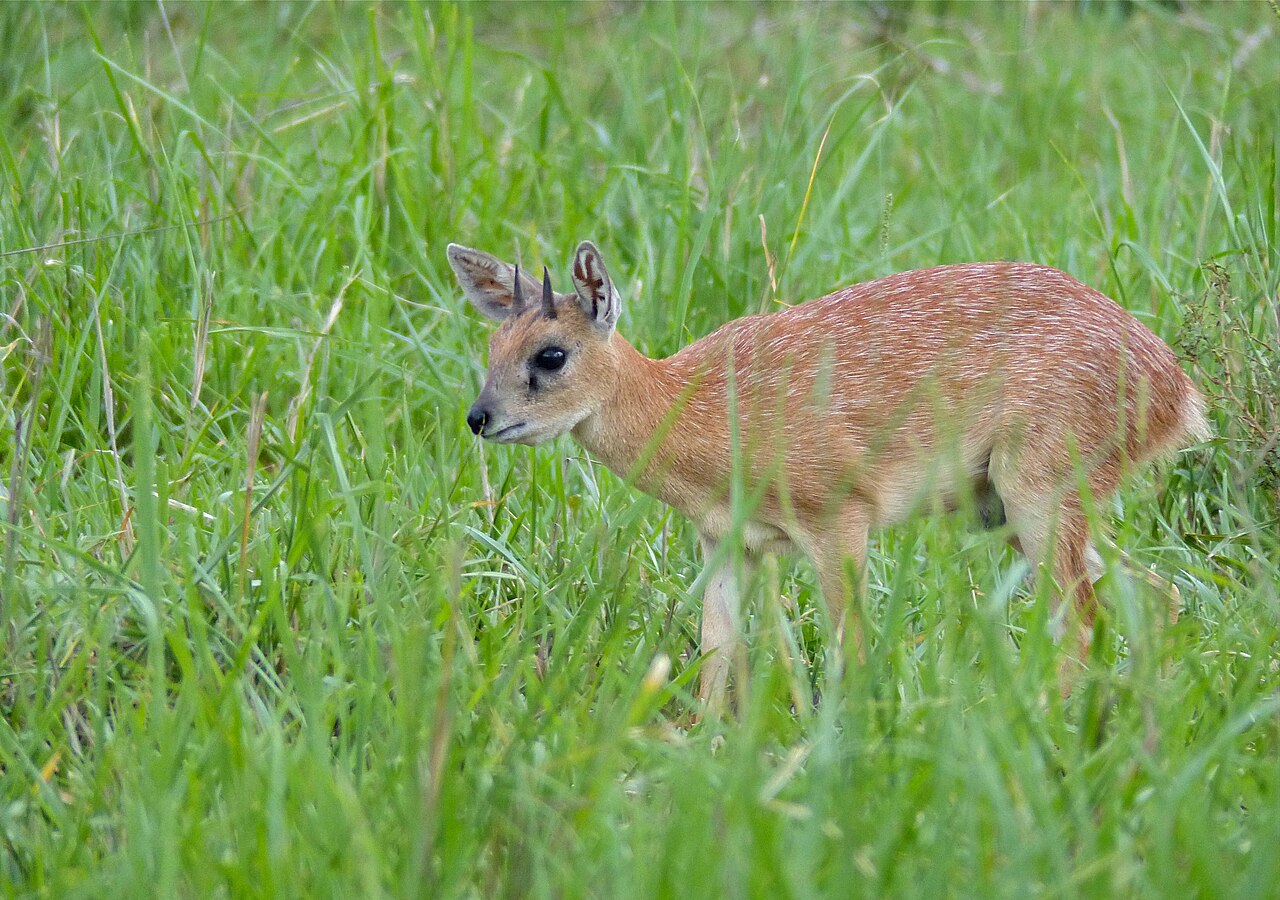
Raphicerus sharpei
Sharpe's Grysbok is a compact, secretive antelope that rewards patient hunters with a challenging stalk in thick cover. Standing 45 to 50 centimeters at the shoulder and weighing 7 to 11 kilograms, it is slightly smaller than its Cape cousin. The coat is a rich reddish-brown densely flecked with white hairs that give it a grizzled appearance, while the underparts are paler. Both sexes carry short, straight horns, though only the rams’ horns are typically taken as trophies; they rarely exceed 8 centimeters. This species occupies woodland, bushveld and dense thickets across southeastern Africa, from Zimbabwe and Mozambique through northern South Africa, eastern Botswana and parts of Zambia and Malawi. It prefers areas with good browse and nearby water but can survive in fairly dry country. Largely solitary and territorial, Sharpe’s Grysbok is most active at dawn, dusk and through the night. It relies on concealment rather than speed, freezing or slipping into cover at the first hint of danger. Hunters value it as a test of skill rather than a high-volume quarry. Its small size, cryptic coloration and preference for thick vegetation make it easy to overlook even at close range. Successful hunts usually involve still-hunting along game paths, glassing from a vantage, or using dogs in permitted areas. Because it is often encountered while pursuing other species, many consider it an opportunistic trophy that rounds out a mixed-bag safari. The IUCN lists Sharpe’s Grysbok as Least Concern. Populations remain stable in well-managed hunting concessions and private reserves where habitat is protected and regulated offtake occurs. Responsible hunting therefore contributes to the conservation of this elusive little antelope and the wild country it inhabits.
Hunt facts
- Countries
- Botswana Mozambique Namibia South Africa Tanzania Zambia Zimbabwe
- Hunt regions
-
Botswana: Chobe North WestMozambique: Manica SofalaNamibia: Kavango East Kavango West ZambeziSouth Africa: LimpopoTanzania: Lindi Morogoro PwaniZambia: Eastern MuchingaZimbabwe: Manicaland Mashonaland Central Mashonaland West Masvingo
- Habitat
- Mixed savanna Woodland Bushveld
- Best time to hunt
- May–October (Dry season)
- Mass
- 7–12 kg (15–26 lb)
- Trophy minimum
-
- SCI (inches): 4
- SCI bow: 3
- Rowland Ward (inches): 3
- Rowland Ward record: 5 4/16
Typical record-book minimums; confirm the current edition with your professional hunter.
Where to Find Sharpe's Grysbok
Sharpe's Grysbok inhabit dense thickets, mopane woodlands and riverine bush across southern Africa. Primary range covers South Africa, Zimbabwe, Mozambique and parts of Zambia. Top hunting areas are South Africa's Limpopo and Mpumalanga provinces plus Zimbabwe concessions, where they live in thick cover on game farms.
Dry winter months from May to September offer the best conditions as thinner vegetation improves visibility and animals stay nearer water. Terrain mixes rocky outcrops, dense underbrush and savanna edges that demand careful movement.
Locate them at dawn and dusk in thick cover near water. Watch for small tracks and pellet droppings then use a skilled tracker. These secretive antelope freeze or hide rather than flee, so slow quiet stalking in the right habitat produces the best results.
Why Hunt Sharpe's Grysbok
Hunters pursue Sharpe's Grysbok primarily for its unique trophy qualities, as this small antelope is a prized member of Africa's Tiny Ten. Males carry short, ringed horns typically 5 to 8 centimeters long, set on a compact body with a distinctive rusty brown coat speckled with white, making for an attractive and challenging addition to any collection.
The hunting challenge is considerable and highly exciting. These nocturnal and crepuscular creatures prefer thick, thorny bush and tall grass, relying on camouflage and sudden bursts of speed. Stalking them on foot demands exceptional stealth, observation, and often involves tracking in difficult terrain, delivering adrenaline-filled moments.
Meat quality is superb, with tender, lean venison that has a mild, gamey flavor perfect for grilling or traditional stews. In cultural terms, Sharpe's Grysbok has long been part of southern African hunting heritage, valued by local communities. Through ethical hunting, fees contribute to conservation efforts, supporting anti-poaching patrols and habitat management that benefit the species and ecosystems.
Unique experiences include the intimate, low-impact hunt in wild African landscapes, offering a contrast to big game pursuits and a sense of accomplishment from harvesting such an elusive animal.
Sharpe's Grysbok Hunting Tips
Sharpe's grysbok hunting demands stealth and patience because these small antelopes hide in dense thickets and mopane woodlands during the day. The most effective technique is slow walking and stalking at first light or last light when they emerge to feed. Always stay downwind of their location since they possess an excellent sense of smell and will vanish without a sound if they detect you.
A lightweight rifle in . 243 Winchester or similar caliber paired with a low-power scope delivers the accuracy needed for their 7 to 11 kilogram frame. Place your shot tightly behind the front shoulder into the heart-lung area for an immediate ethical harvest. Look for tiny cloven hoof prints and pellet-like droppings along well-used trails in sandy ground to locate them.
Hunt during the dry season when cover is reduced and animals concentrate near remaining water. Common errors include rushing your approach, hunting in the heat of the day, or attempting long-range shots on such a small target. Follow all local regulations regarding licenses and seasons.
Stay safe by confirming your target clearly, as grysbok blend perfectly with their surroundings, and remain alert for other wildlife including venomous snakes.
Featured Outfitters for Sharpe's Grysbok
View all
Hunt packages with Sharpe's Grysbok
Curated hunt ideas — no price on the page. Enquire and we'll match outfitters after review.
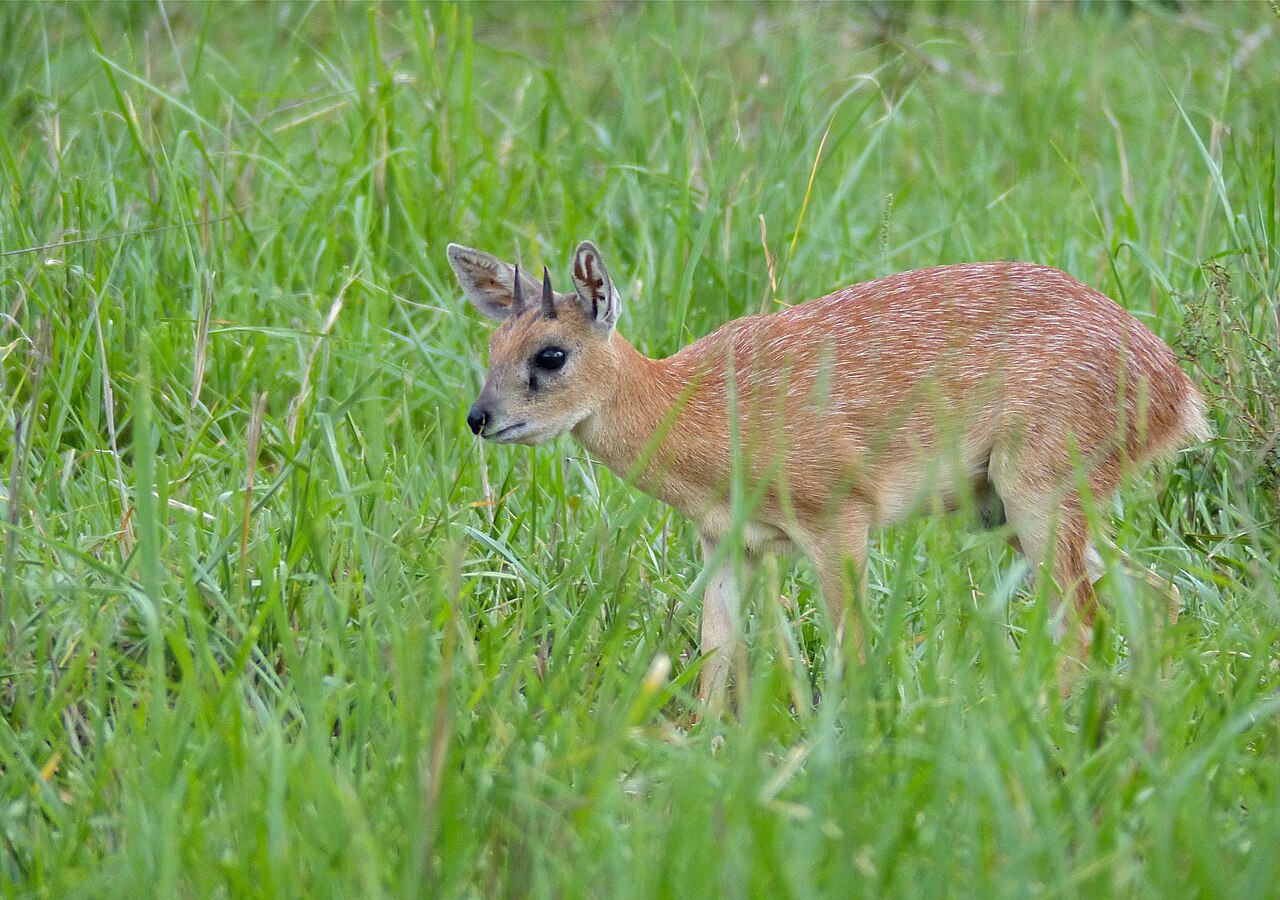
Zambia Riverine Small Game — 6 Days
6 days · Zambia
6-day zambia riverine small game — sharpe's grysbok, common duiker, porcupine in Eastern Luangwa riverine.
$6,500 – $8,000
Plan Your Sharpe's Grysbok Hunt
Submit a free enquiry and we'll match you with outfitters who hunt Sharpe's Grysbok in your region.
Sign Up to Enquire African Civet
 African Wildcat
 Baboon
 Bat-Eared Fox
 Bay Duiker
 Black-Fronted Duiker