Suni Hunting
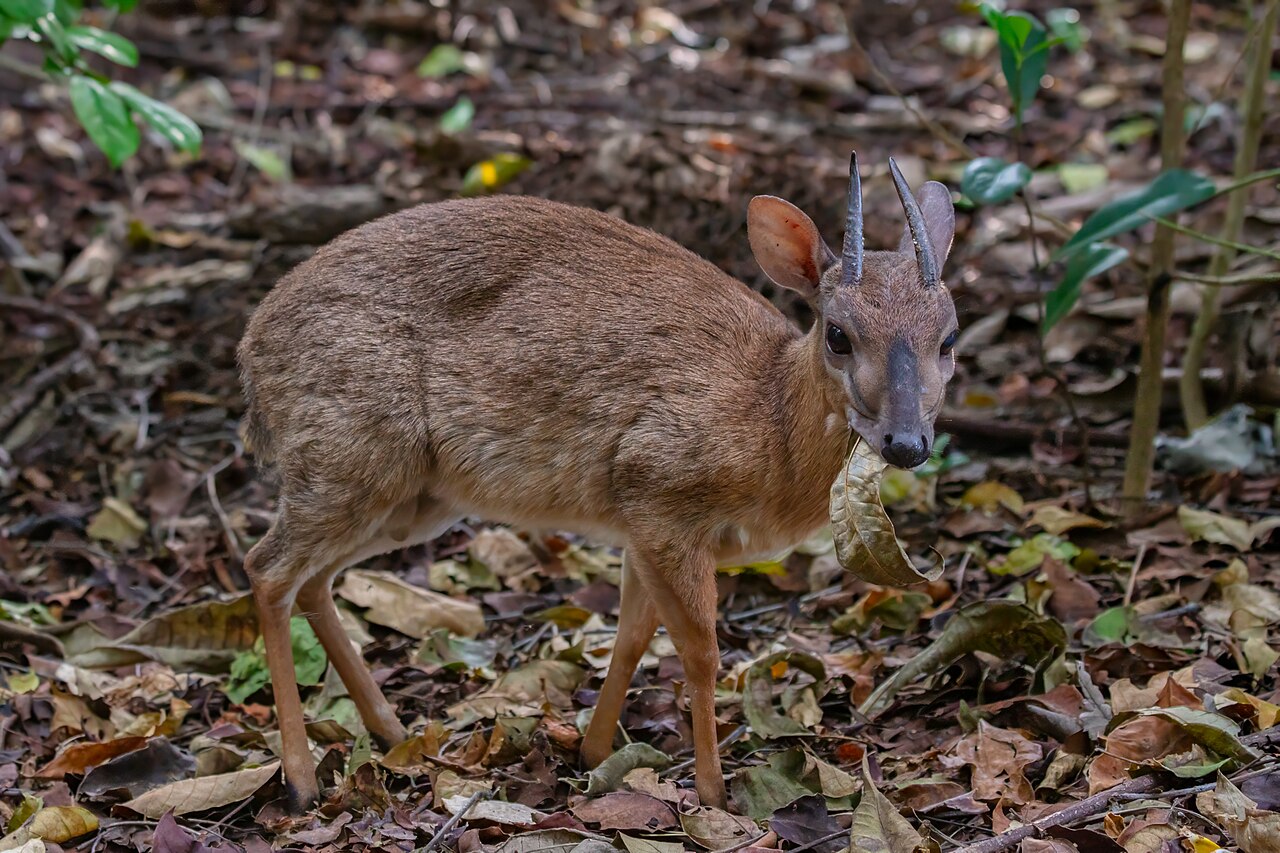
Neotragus moschatus
The Suni is one of Africa’s smallest and most secretive antelopes, offering hunters a genuine pygmy antelope challenge in thick cover. Adults stand 30 to 38 centimeters at the shoulder and weigh just 4 to 6 kilograms. The coat is a rich reddish-brown that fades to paler underparts, providing excellent camouflage on the forest floor. Large dark eyes, rounded ears, and prominent preorbital glands give the animal a distinctive look. Only males carry the short, straight, heavily ringed horns that typically measure 8 to 13 centimeters. Suni prefer dense coastal forest, thicket, and riverine bush where they remain hidden during the day. They are mainly crepuscular and nocturnal, browsing on leaves, fallen fruit, flowers, and fungi. Individuals or pairs hold small territories marked with dung middens and gland secretions. When alarmed they freeze or explode into short, bounding flight through the undergrowth. Their range covers eastern and southern Africa from Kenya and Tanzania south through Mozambique, Zimbabwe, Malawi, and into South Africa’s KwaZulu-Natal and Eastern Cape. Hunters encounter them most often in well-managed concessions that still hold intact thicket habitat. The tiny size, nocturnal habits, and preference for impenetrable cover make Suni a demanding quarry. Success usually comes from patient still-hunting, careful tracking, or the use of dogs in permitted areas. The compact horns form a classic pygmy antelope trophy that many collectors prize. The species is listed as Least Concern by the IUCN, with generally stable numbers where habitat remains. Legal, well-regulated hunting contributes to habitat protection and anti-poaching work on the properties that hold them.
Hunt facts
- Countries
- Mozambique South Africa Tanzania Zambia Zimbabwe
- Hunt regions
-
Mozambique: Gaza Manica SofalaSouth Africa: KwaZulu-NatalTanzania: Lindi Morogoro PwaniZambia: Eastern MuchingaZimbabwe: Manicaland Masvingo
- Habitat
- Woodland Forest Coastal
- Best time to hunt
- May–October (Dry season)
- Mass
- 4–6 kg (8.8–13 lb)
- Trophy minimum
-
- SCI (inches): 9
- SCI bow: 8
- Rowland Ward (inches): 2 2/16
- Rowland Ward record: 4
Typical record-book minimums; confirm the current edition with your professional hunter.
Where to Find Suni
Suni inhabit dense coastal forests, thickets and riverine bush across East Africa from southern Kenya through Tanzania into Mozambique, with smaller groups in suitable South African habitat. They stay in heavy undergrowth that hides them from view.
Mozambique coastal concessions and Tanzanian hunting blocks offer the most reliable legal opportunities under managed quotas. The dry season from June to October thins foliage just enough to improve chances while animals still use thick cover. Focus on forest edges, sandy thickets near water and miombo woodland fringes.
Search for repeated dung middens that mark their territories. These crepuscular antelope move at dawn and dusk, so quiet patrols then work best. Local trackers help spot tiny tracks and low browse signs. Patience and slow movement through tangled terrain are essential.
Why Hunt Suni
Hunters are drawn to the Suni for its exceptional trophy qualities as one of Africa's tiniest antelopes. The males possess small, ringed horns typically three to five inches long, making them a prized addition to collections of pygmy species. This diminutive animal presents a high challenge level due to its secretive habits in dense thickets and forests. The hunt involves intense excitement from close-quarters stalking or dog-assisted tracking, requiring superior skill and patience.
Suni meat is tender and flavorful, highly valued for culinary purposes on safari. Culturally, it holds significance in certain traditional hunting practices in East Africa. Conservation benefits arise as hunting fees fund habitat protection and anti-poaching, ensuring the species' future. The unique experience of pursuing this elusive creature in intimate settings offers hunters a memorable and rewarding adventure unlike larger game pursuits.
Suni Hunting Tips
Suni hunting is a challenging pursuit that tests a hunter's skill due to the animal's small stature and secretive nature in thick vegetation. Effective techniques center on still hunting and meticulous stalking through dense bush, focusing on early morning and late afternoon periods when suni are most likely to be active. A reliable rifle in calibers such as the . 223 Remington paired with high-quality expanding ammunition is ideal for delivering ethical shots without damaging the modest trophy. Shot placement is critical; aim slightly behind the shoulder for a heart-lung hit given the compact vital area. Tracking relies on spotting faint tracks and droppings near thickets while remaining downwind and using slow, deliberate movements. The dry season provides optimal conditions with better sightlines and animals gathering at remaining resources. Hunters often err by making excessive noise, taking poor shots on running game, or overlooking the need for extensive practice on diminutive targets. Safety remains paramount: always confirm your target, stay alert for potential hazards including venomous reptiles, practice proper gun handling, and strictly observe local laws and bag limits. This approach ensures a successful and responsible hunt.
Featured Outfitters for Suni
View all


Hunt packages with Suni
Curated hunt ideas — no price on the page. Enquire and we'll match outfitters after review.
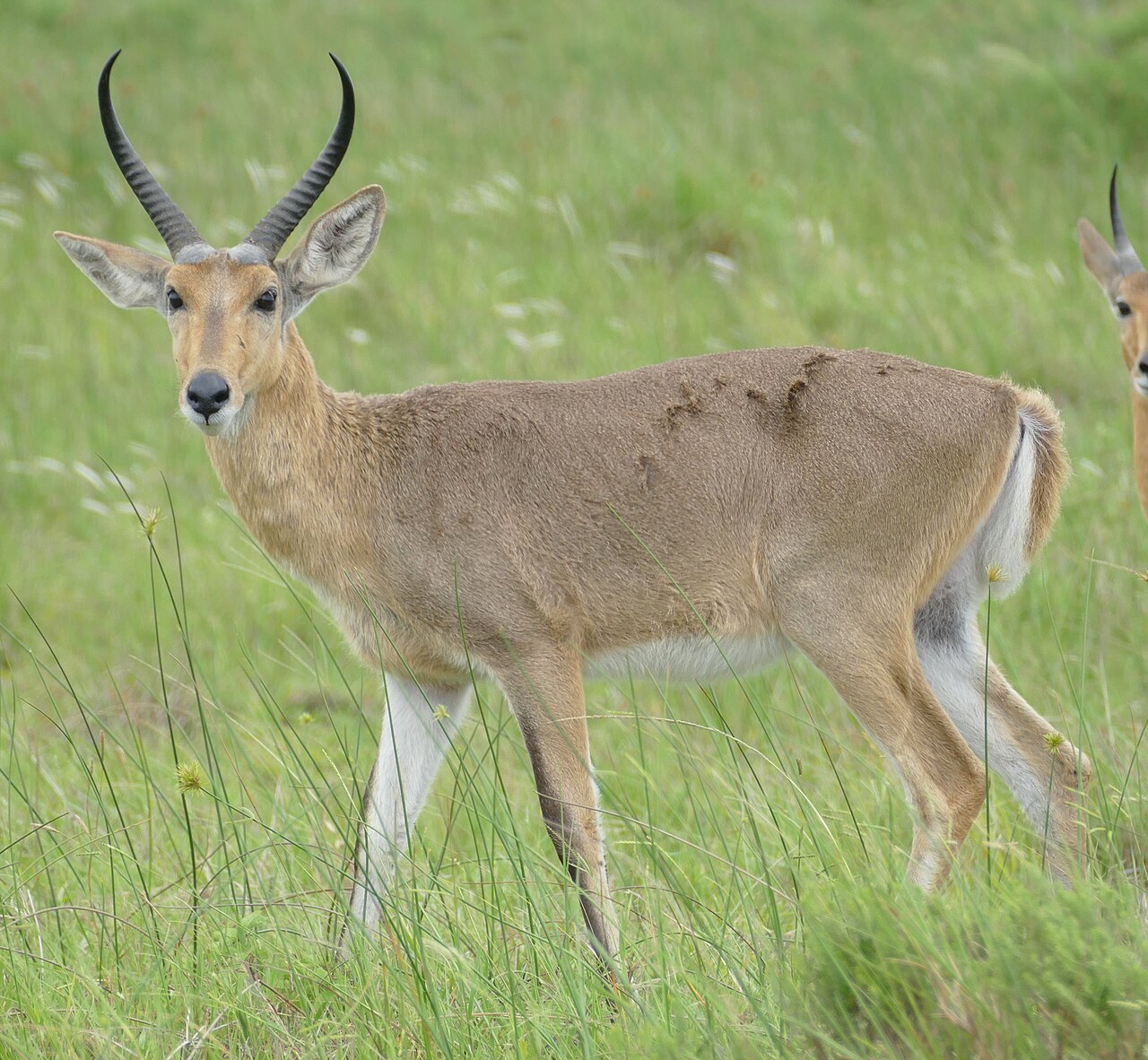
Coastal Reedbuck — 7 Days
7 days · Mozambique
Seven days coastal floodplain — reedbuck, suni, bushbuck and warthog.
$8,500 – $9,400
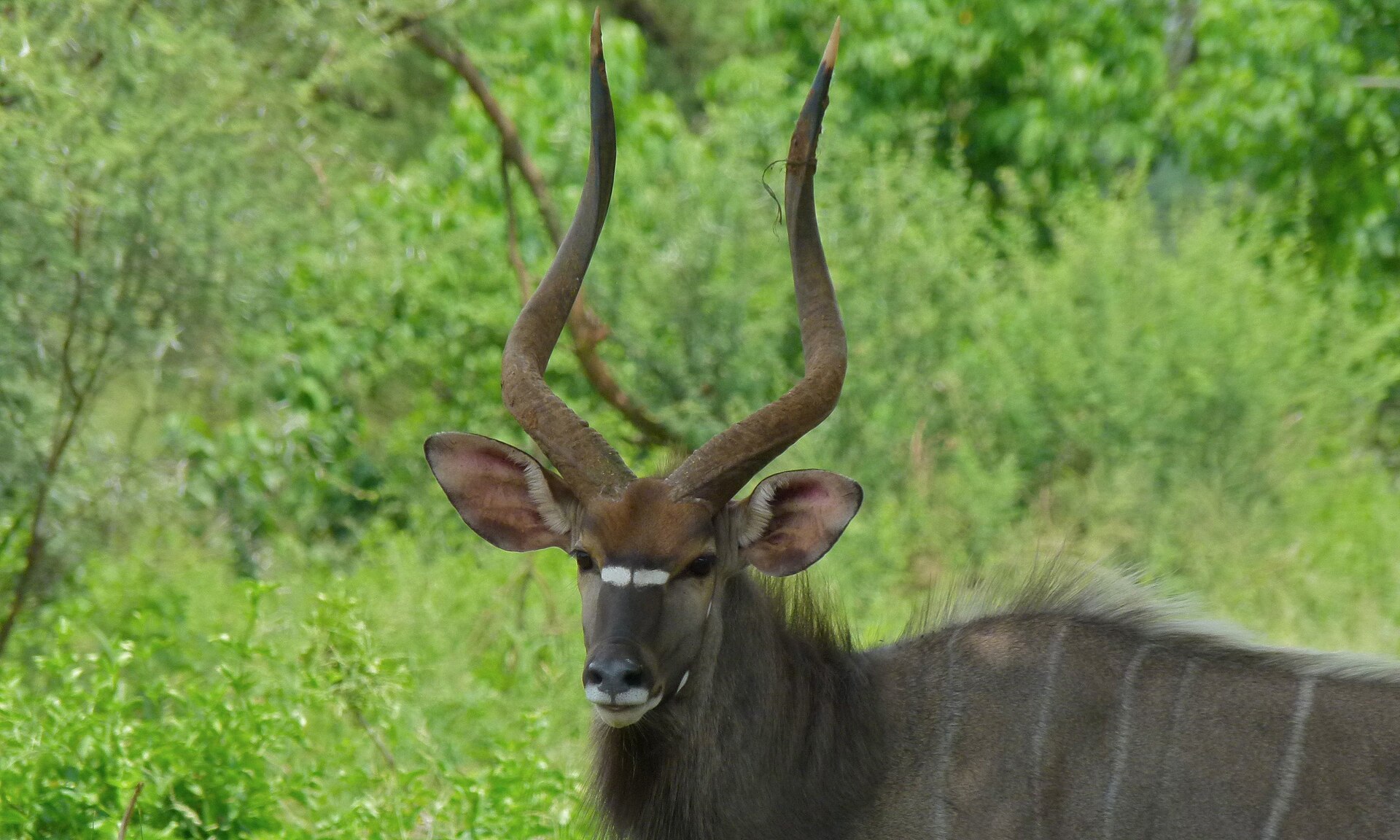
KZN Nyala & Bushbuck — 7 Days
7 days · South Africa
7-day kzn nyala & bushbuck — nyala, bushbuck, impala in KwaZulu-Natal coastal bush.
$8,800 – $10,000
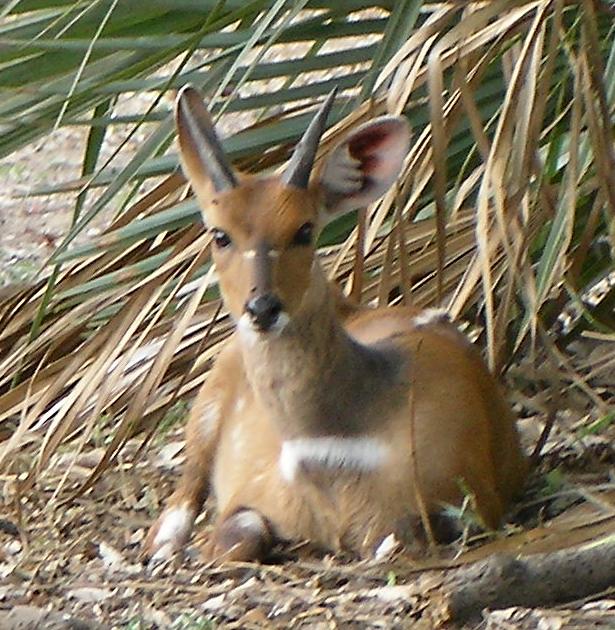
Zambezia Coastal Plains — 8 Days
8 days · Mozambique
8-day zambezia coastal plains — impala, bushbuck, warthog in Zambezia coastal woodland.
$9,800 – $11,500
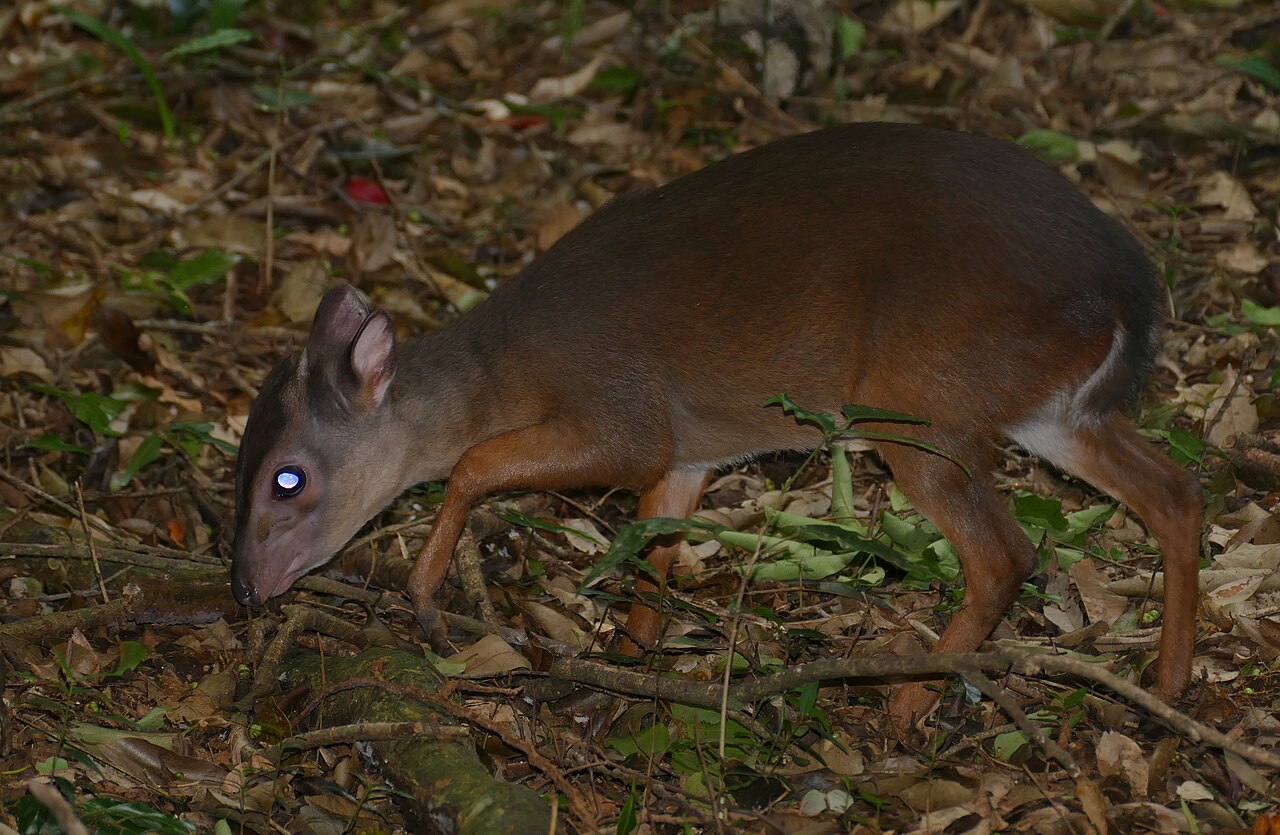
Mozambique Duiker Specialty — 7 Days
7 days · Mozambique
7-day mozambique duiker specialty — blue duiker, red duiker, suni in Sofala thicket.
$7,800 – $9,200
Plan Your Suni Hunt
Submit a free enquiry and we'll match you with outfitters who hunt Suni in your region.
Sign Up to Enquire African Civet
 African Wildcat
 Baboon
 Bat-Eared Fox
 Bay Duiker
 Black-Fronted Duiker