Weyn's Duiker Hunting
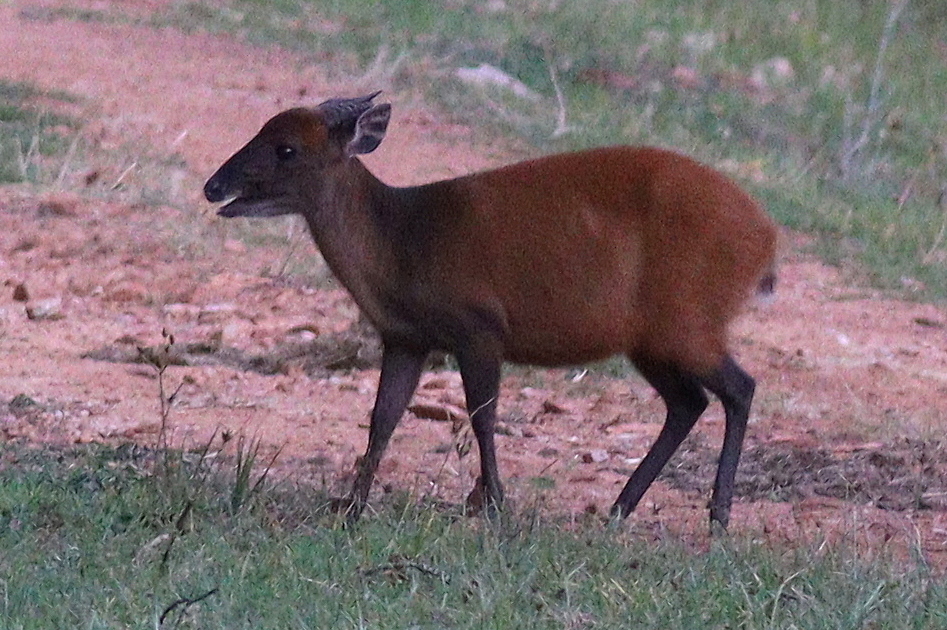
Cephalophus weynsi
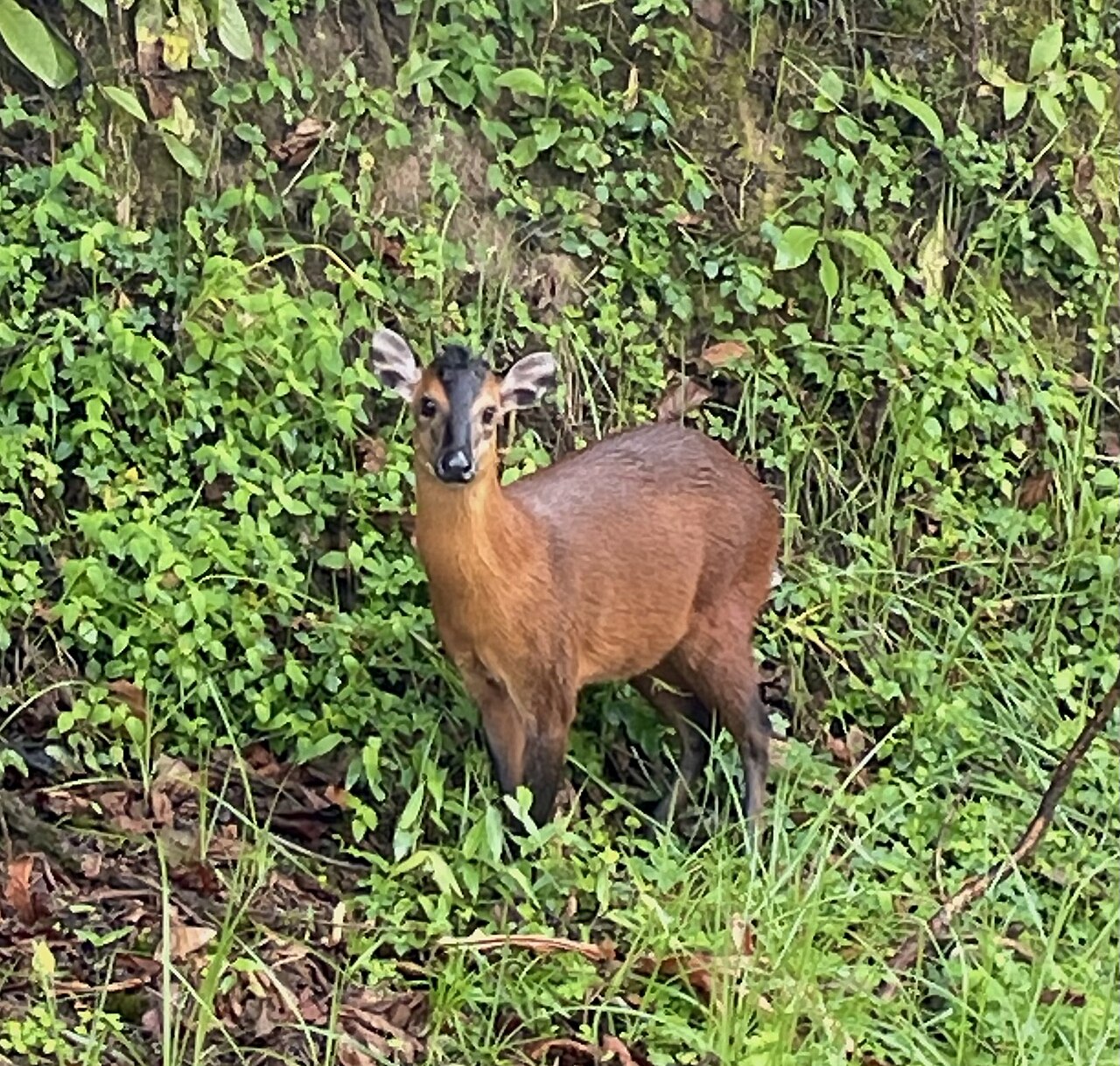
Weyn's Duiker is a medium-sized forest antelope found in the rainforests of Central Africa. Adults typically stand 50 to 65 centimeters at the shoulder, measure 80 to 110 centimeters in body length, and weigh 15 to 25 kilograms. The coat is a rich chestnut or reddish-brown with a darker stripe along the back, paler underparts, and a distinctive dark facial pattern. Both sexes carry short, straight horns, more developed in males, along with large dark eyes and keen hearing suited to dim forest light. These duikers inhabit dense primary and secondary tropical forests of the Congo Basin, where they browse on leaves, fruits, shoots, and fungi. They are largely solitary or live in pairs, remaining secretive and relying on thick cover. Activity is mainly crepuscular and nocturnal, which helps them avoid predators and human presence. Their range covers the Democratic Republic of the Congo, Republic of the Congo, Cameroon, Gabon, and adjacent areas of the Central African Republic and Uganda. Hunters value Weyn's Duiker as a challenging quarry. The combination of dense habitat, wariness, and small size demands patience, quiet still-hunting, or traditional methods with dogs. The meat is excellent table fare, and while trophies are modest, the difficulty of the hunt in humid forest conditions makes a successful encounter memorable. The species is currently listed as Least Concern by the IUCN, though habitat loss and hunting pressure affect some local populations. Responsible, legal hunting in well-managed areas helps support conservation of forest ecosystems.
Hunt facts
- Countries
- Central African Republic
- Hunt regions
-
Central African Republic: Sangha-Mbaéré
- Habitat
- Forest
- Best time to hunt
- May–October (West / Central dry season)
- Mass
- 12–18 kg (26–40 lb)
Where to Find Weyn's Duiker
Weyns's duiker lives in the dense tropical rainforests of central Africa, mainly across the Democratic Republic of the Congo, Uganda, Rwanda, and the Central African Republic. These shy antelopes favor thick undergrowth, swampy forest edges, and areas with heavy leaf litter where they stay well hidden.
Licensed hunting opportunities exist in remote forest concessions of the DRC and selected Uganda wildlife areas that allow small game under permit. The dry season from June through September generally offers better access and visibility as vegetation thins slightly and animals move toward remaining water.
Expect humid, tangled terrain with limited sight lines, fallen logs, and muddy ground that demands quiet, slow movement. Locate them by searching for tiny cloven tracks, fresh dung pellets, and browse marks on low shrubs, especially at dawn and dusk when they are most active. Listen for rustling or their sharp alarm whistle; they remain solitary and extremely wary. Always hunt only with proper licenses and local guides.
Why Hunt Weyn's Duiker
Hunters are drawn to Weyn's Duiker for its distinctive trophy appeal, featuring short sharp horns and a sleek reddish-brown coat that makes an elegant addition to any collection. Tracking this elusive forest antelope through dense Central African jungles delivers a high-challenge hunt filled with tension, as its alert senses and quick movements demand stealth, patience, and precise shot placement for true excitement. The meat is lean, tender, and flavorful, excellent roasted or in traditional stews that highlight its mild game taste. In local cultures, pursuing this duiker connects hunters to longstanding subsistence traditions and community heritage. Regulated hunts generate vital funds for habitat protection, anti-poaching patrols, and rural programs that support species survival. This pursuit offers unique immersion in remote rainforests, combining adventure, skill, and a rewarding wilderness experience unlike open-savanna hunts.
Weyn's Duiker Hunting Tips
Hunting Weyn's duiker calls for stealth in the thick rainforests of central Africa where these small antelope hide. Slow stalking along game trails or using local trackers and dogs to locate them in cover works best, as they freeze or bolt at any sound. A lightweight rifle in . 223 Remington or similar caliber handles the 15 kg animal well at close range, with a red-dot sight for quick shots in dim forest light. Aim just behind the shoulder into the heart-lung area for a clean kill and skip head shots on such a tiny target. Follow small hoof prints, pellet droppings, and paths to fruiting trees or water while staying downwind and pausing often to scan. Dawn and dusk in the dry season offer the most activity and thinner vegetation. Skip noisy clothing, rushed shots at running animals, or ignoring wind direction. Always hunt with a licensed guide, watch for snakes and larger wildlife, carry first aid, and secure all required permits to stay legal and safe.
Featured Outfitters for Weyn's Duiker
View all


Plan Your Weyn's Duiker Hunt
Submit a free enquiry and we'll match you with outfitters who hunt Weyn's Duiker in your region.
Sign Up to Enquire African Civet
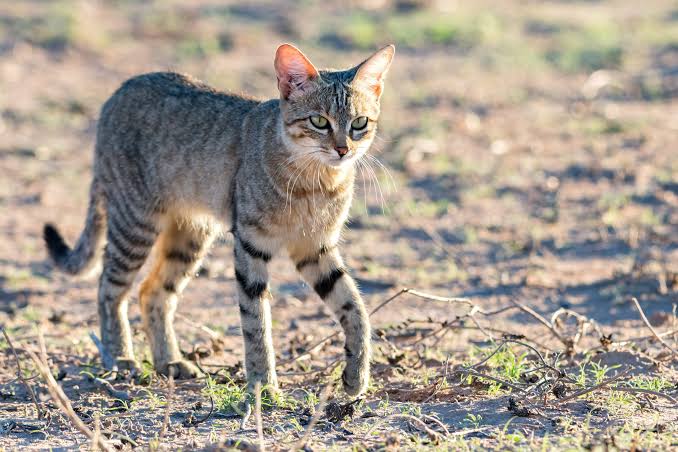 African Wildcat
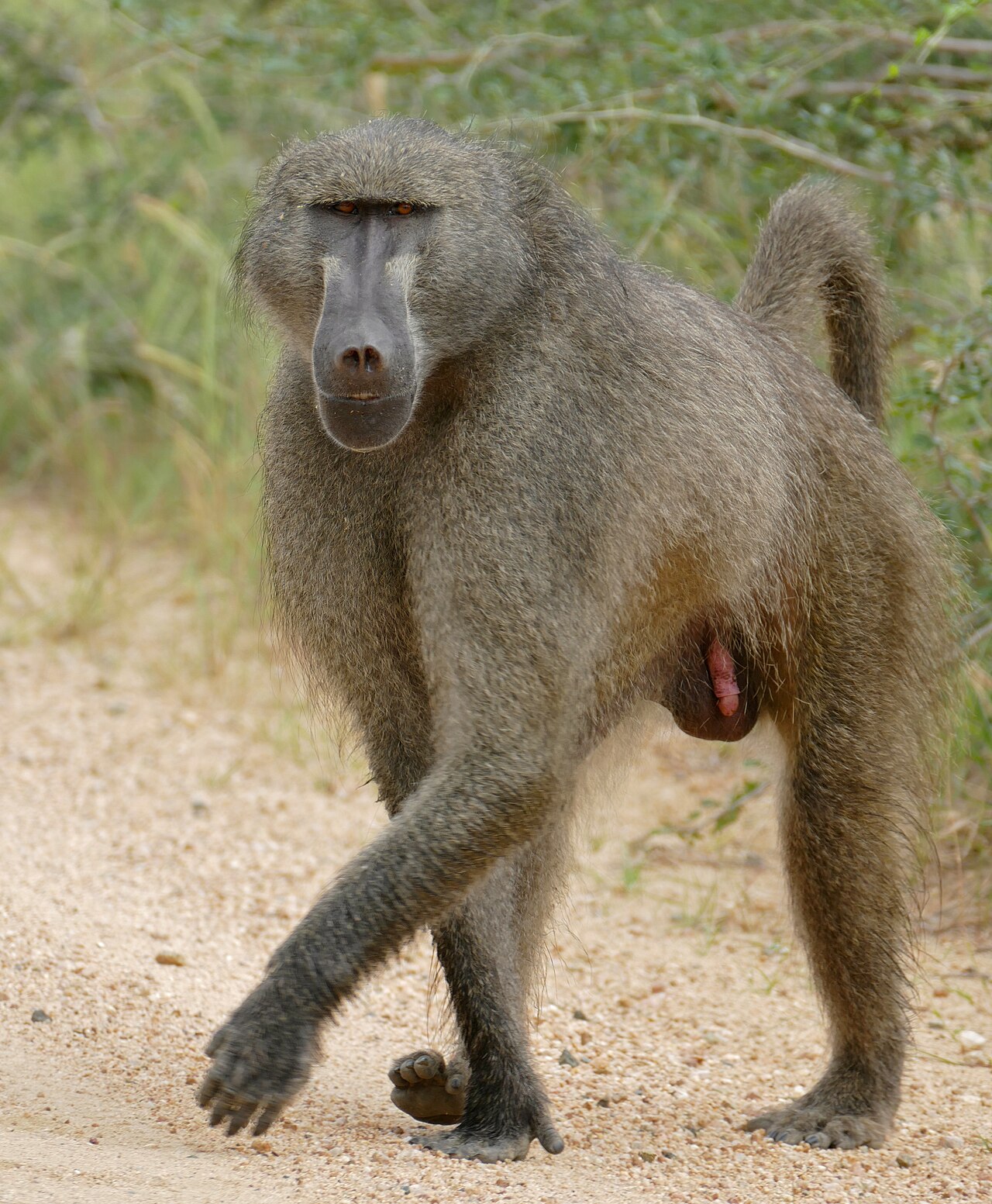 Baboon
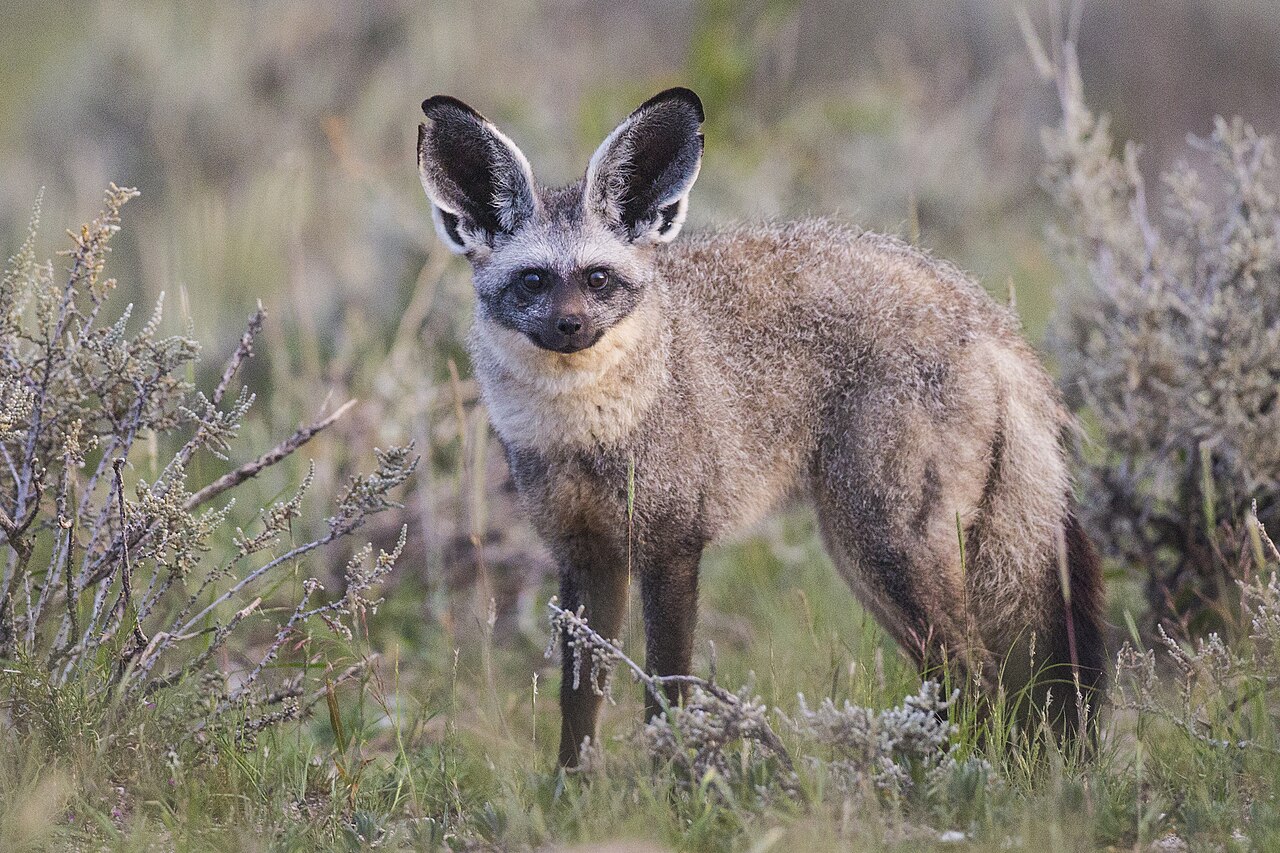 Bat-Eared Fox
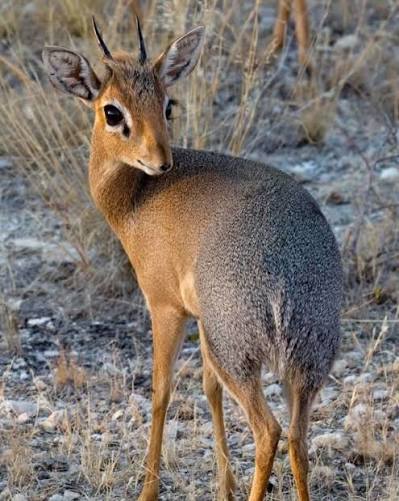 Bay Duiker
 Black-Fronted Duiker