Yellow-backed Duiker Hunting
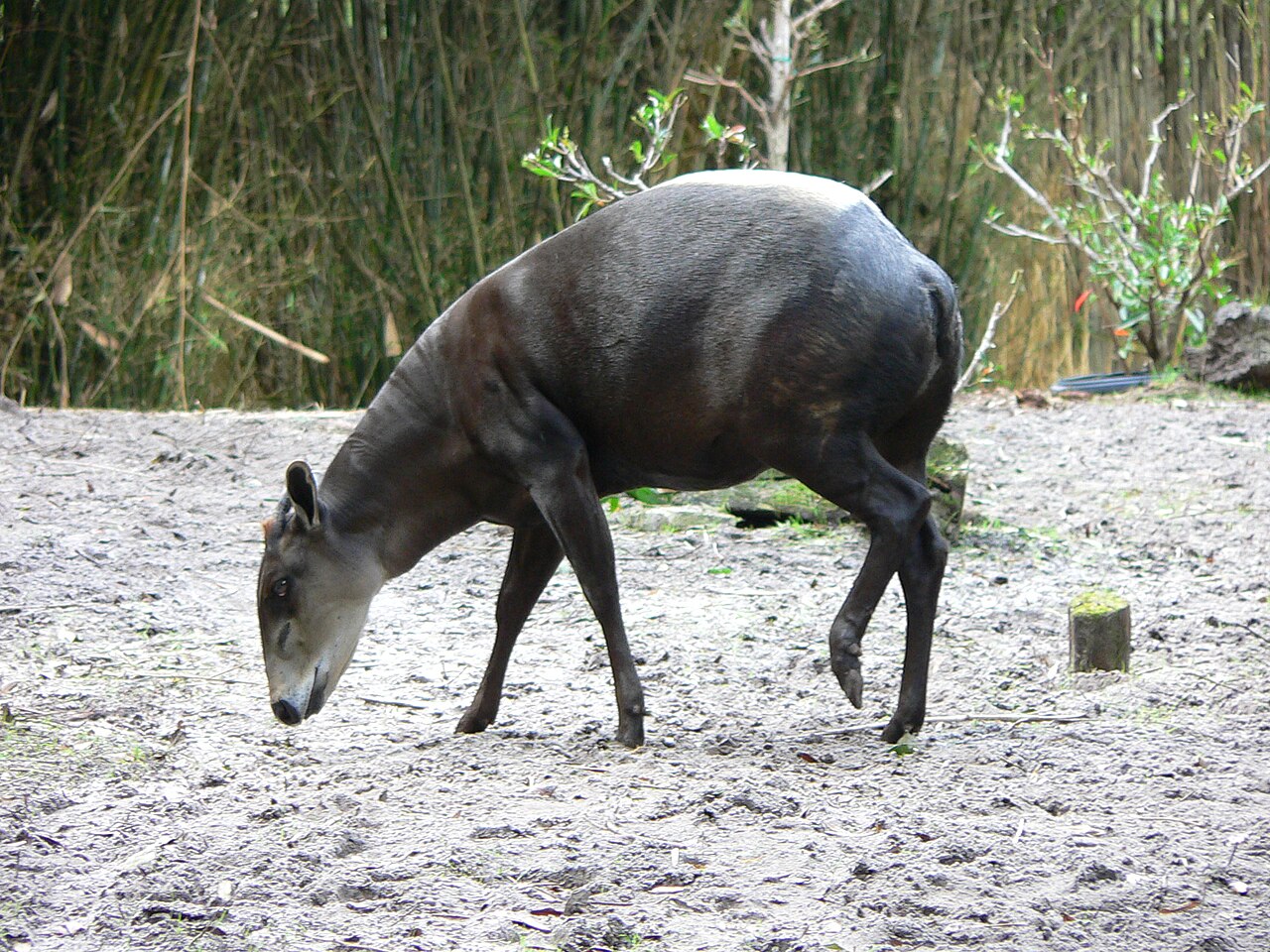
Cephalophus silvicultor
The Yellow-backed Duiker, known scientifically as Cephalophus silvicultor, ranks as Africa's largest duiker and a prized trophy for hunters targeting the continent's dense equatorial forests. Adults typically stand 60 to 80 centimeters at the shoulder and weigh 45 to 80 kilograms, displaying a glossy dark brown to black coat set off by a striking yellowish stripe that runs along the back from the shoulders to the rump and can be raised when the animal is alarmed. Both sexes carry short, straight horns of 8 to 21 centimeters, more developed in males, along with a distinctive tuft of hair on the forehead. These secretive antelopes occupy thick rainforests, gallery forests, and secondary growth across West and Central Africa, remaining largely nocturnal or crepuscular. They live solitary lives or in pairs, feeding on fallen fruit, leaves, fungi, and browse while using their compact build to slip through heavy cover. Their range extends from Senegal and Gambia eastward through Nigeria, Cameroon, Gabon, and the Congo Basin to western Uganda and Rwanda, always tied to forested habitats. Hunters value the Yellow-backed Duiker for the genuine challenge of locating and approaching it in nearly impenetrable jungle, often relying on expert trackers, patience, and sometimes hounds. The unique yellow dorsal marking combined with respectable size produces an outstanding and relatively uncommon trophy. Classified as Near Threatened due to habitat loss and unsustainable hunting pressure, well-regulated hunts in range countries help fund conservation and habitat protection.
Hunt facts
- Countries
- Cameroon Central African Republic Uganda Zambia
- Hunt regions
-
Cameroon: East SouthCentral African Republic: Sangha-MbaéréUganda: WesternZambia: North-Western
- Habitat
- Woodland Forest
- Best time to hunt
- May–October (Dry season)
- Mass
- 45–80 kg (99–176 lb)
- Trophy minimum
-
- SCI (inches): 11
- SCI bow: 9
- Rowland Ward (inches): 4 8/16
- Rowland Ward record: 7 2/16
Typical record-book minimums; confirm the current edition with your professional hunter.
Where to Find Yellow-backed Duiker
The Yellow-backed Duiker thrives in primary and secondary tropical rainforests across West and Central Africa. Primary habitats include the Congo Basin rainforests and coastal forests of countries like Cameroon, Gabon, Equatorial Guinea, and the Republic of the Congo. These nations, along with the Central African Republic, provide the best opportunities for legal hunting of this species through established safari companies that hold concessions in forested zones. Hunting seasons typically align with the dry period from December through March, when rivers recede and trails become more navigable, though some areas permit year-round hunting with proper permits. The terrain features dense, humid jungle with tall trees, dense understory, and often swampy ground, demanding physical fitness and knowledge of forest navigation. To find Yellow-backed Duikers in the wild, concentrate on areas with abundant food sources such as fallen fruits, follow their distinctive tracks and dung piles along game trails, and hunt during early morning or late evening when they are most active. Employing experienced local guides who understand their habits significantly increases chances of a successful encounter.
Why Hunt Yellow-backed Duiker
Hunters pursue the Yellow-backed Duiker for its outstanding trophy qualities, as this largest of all duikers offers a distinctive mount with its compact yet powerful body, short pointed horns present in both males and females, and the signature bright yellow patch along the back that sets it apart from other antelopes. The hunting challenge is considerable and packed with excitement, involving stealthy stalks through the humid, tangled rainforests of equatorial Africa where the animal's shy, crepuscular habits demand keen observation, local tracking expertise, and endurance in demanding terrain.
The meat of the Yellow-backed Duiker is of high quality, tender and richly flavored, making it a favorite for campfire meals or gourmet game dishes. It carries cultural significance in many Central African communities as part of traditional hunting practices and local cuisine. Through well-regulated hunting, conservation efforts receive vital funding from license fees that help protect forest habitats and combat illegal poaching. This species delivers unique experiences, from navigating pristine jungle ecosystems to the thrill of a successful close-range encounter in one of the world's most biodiverse regions.
Yellow-backed Duiker Hunting Tips
Hunting yellow-backed duikers takes place in the thick rainforests of central Africa where these shy antelopes reside. Still hunting along forest paths and waiting near fruiting trees prove the most successful techniques because the animals frequently visit such spots to eat. Experienced trackers help by reading signs like hoof prints and dung in the undergrowth.
A light rifle chambered in . 243 Winchester or similar medium caliber works well along with a simple scope suited to short distances in heavy cover. Quality expanding bullets ensure clean kills.
Place your shot just behind the shoulder on a broadside animal to strike the vital organs. These duikers are not large so precise placement matters to prevent them vanishing into the bush.
Stalk slowly while watching the wind and stopping often to look and listen for movement or calls. They stay active throughout the day with peaks at dawn and dusk. Dry season hunts allow easier movement and tracking.
Hunters often err by walking too fast, ignoring wind, or firing through thick vegetation. Always secure necessary licenses.
Stay safe by remaining aware of larger dangerous wildlife, handling firearms carefully in close quarters, and dressing for the environment. Partner with knowledgeable local outfitters for a responsible hunt.
Featured Outfitters for Yellow-backed Duiker
View all
Hunt packages with Yellow-backed Duiker
Curated hunt ideas — no price on the page. Enquire and we'll match outfitters after review.
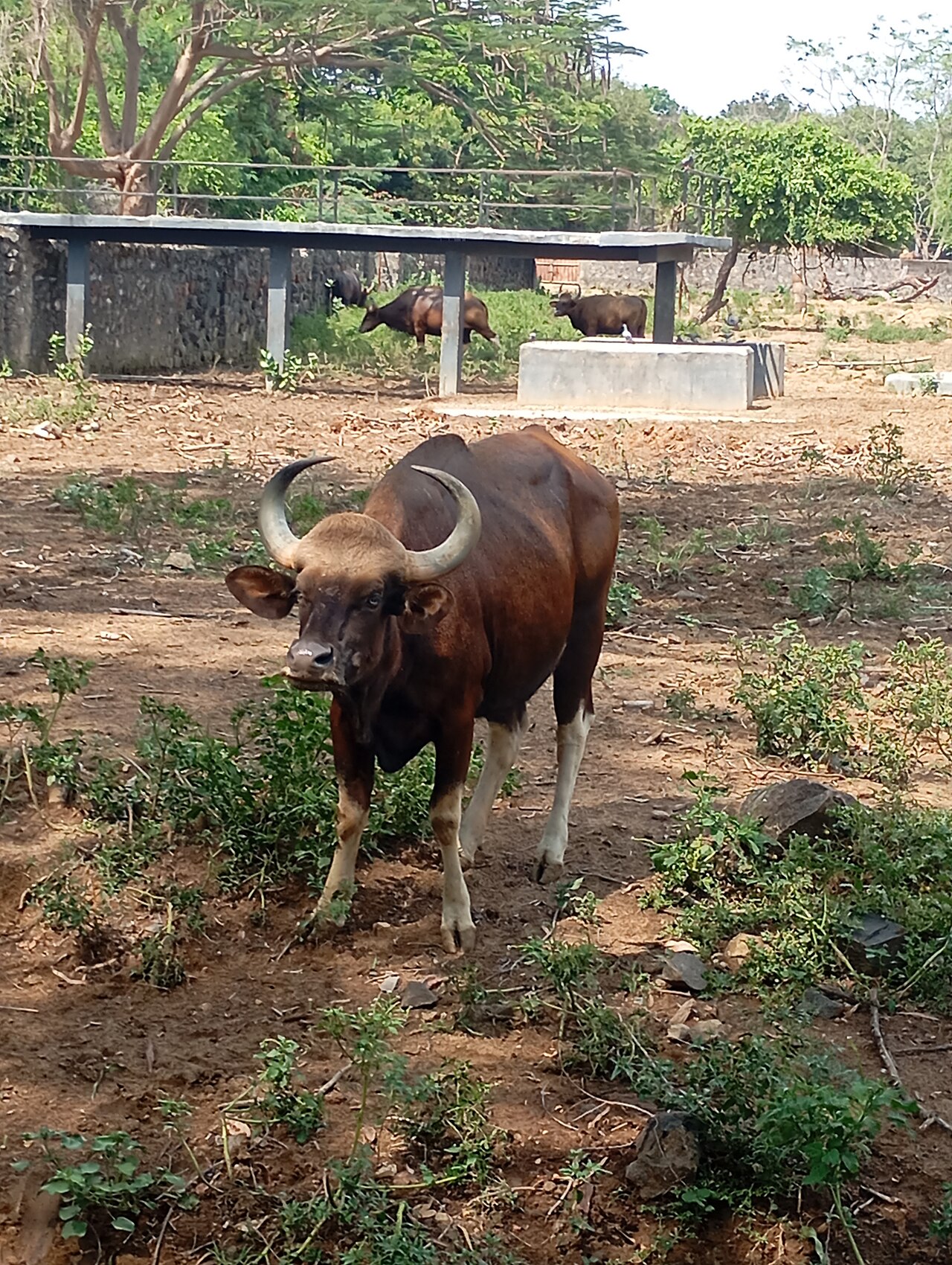
Western Forest Buffalo Intro — 12 Days
12 days · Uganda
12-day western forest buffalo intro — forest buffalo, bushbuck, giant forest hog in Western Uganda forest fringe.
$24,500 – $28,000
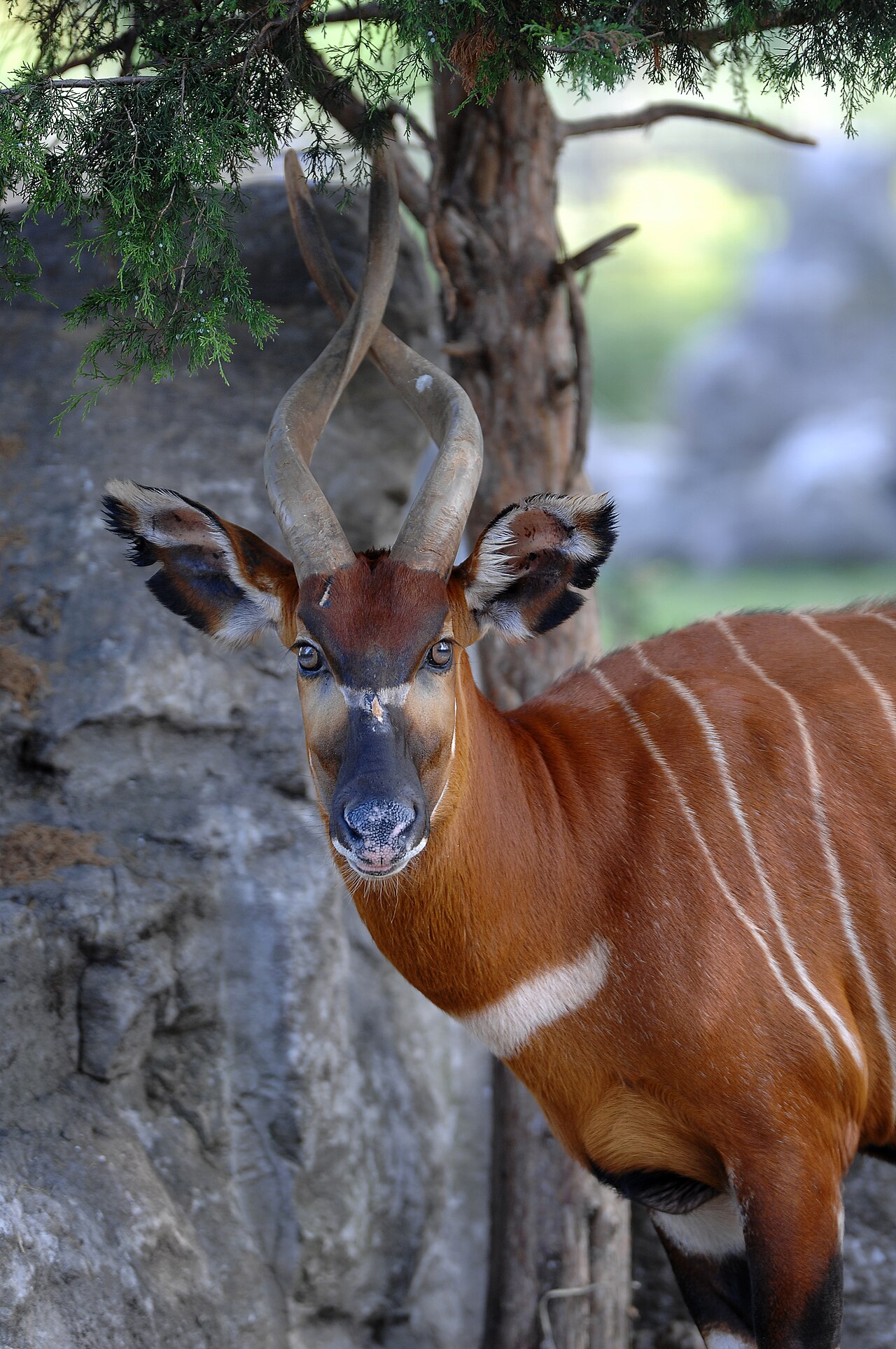
Cameroon Bongo Quest — 14 Days
14 days · Cameroon
14-day cameroon bongo quest — bongo, forest buffalo, yellow-backed duiker in East Cameroon forest (quota-dependent).
$45,000 – $65,000
CAR Eastern Forest Mix — 14 Days
14 days · Central African Republic
14-day car eastern forest mix — bongo, lord derby eland, forest buffalo in Haute-Kotto forest concessions.
$48,000 – $70,000
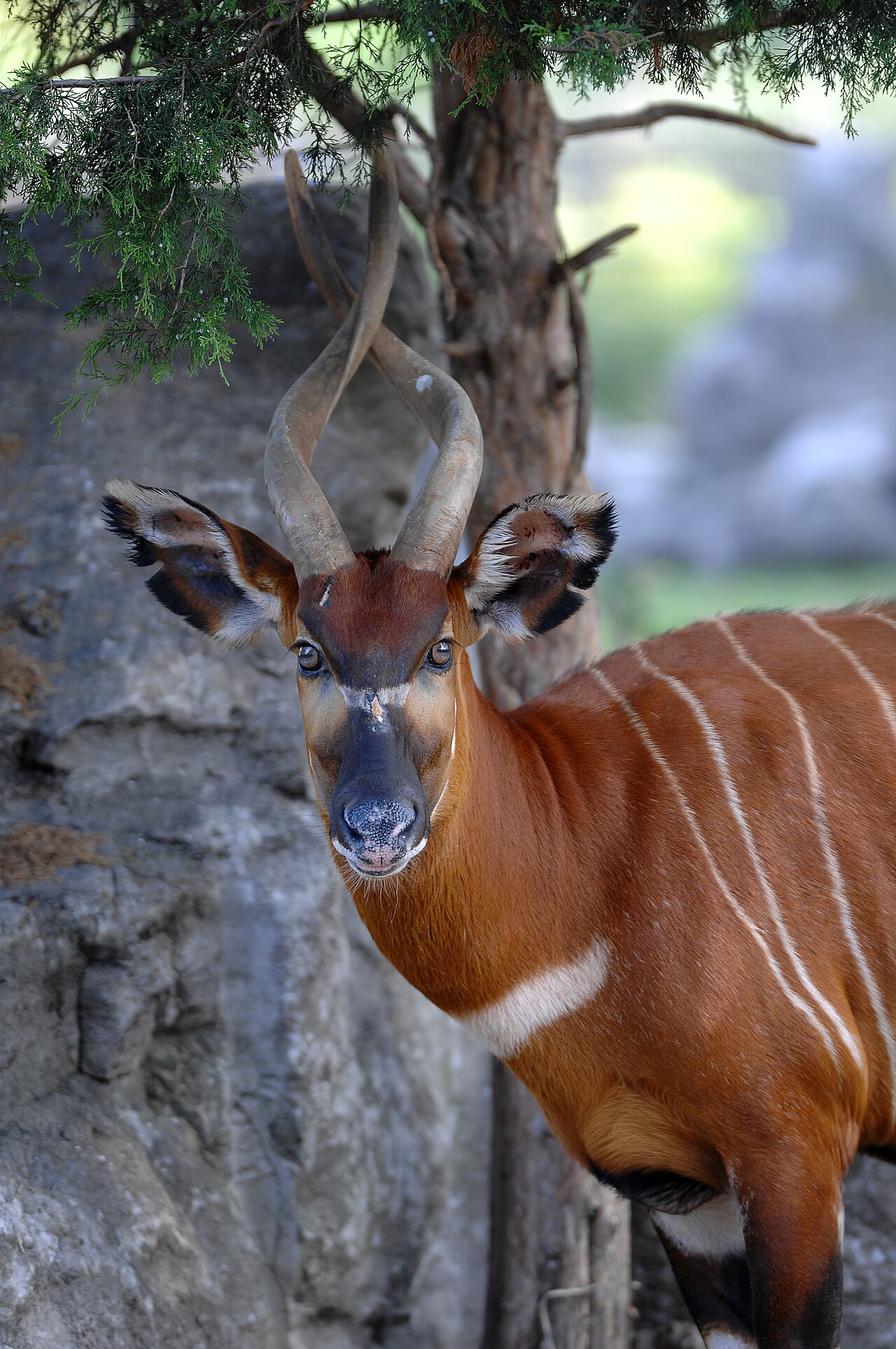
Bamingui-Bangoran Forest — 12 Days
12 days · Central African Republic
Twelve days Bamingui-Bangoran — bongo and forest buffalo focus.
$42,000 – $58,000
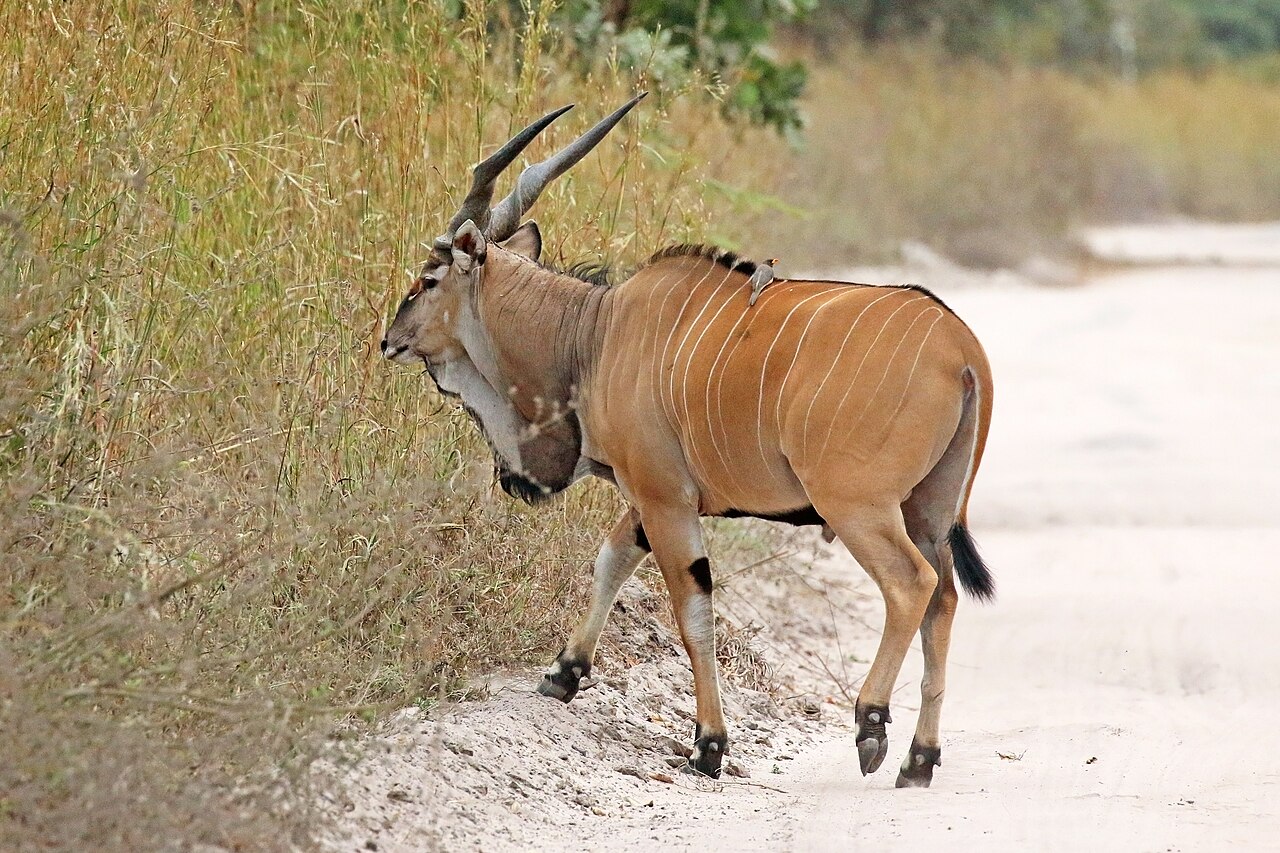
Sangha-Mbaéré Forest — 12 Days
12 days · Central African Republic
Twelve days Sangha-Mbaéré — bongo and Lord Derby eland forest quest.
$45,000 – $65,000
Plan Your Yellow-backed Duiker Hunt
Submit a free enquiry and we'll match you with outfitters who hunt Yellow-backed Duiker in your region.
Sign Up to Enquire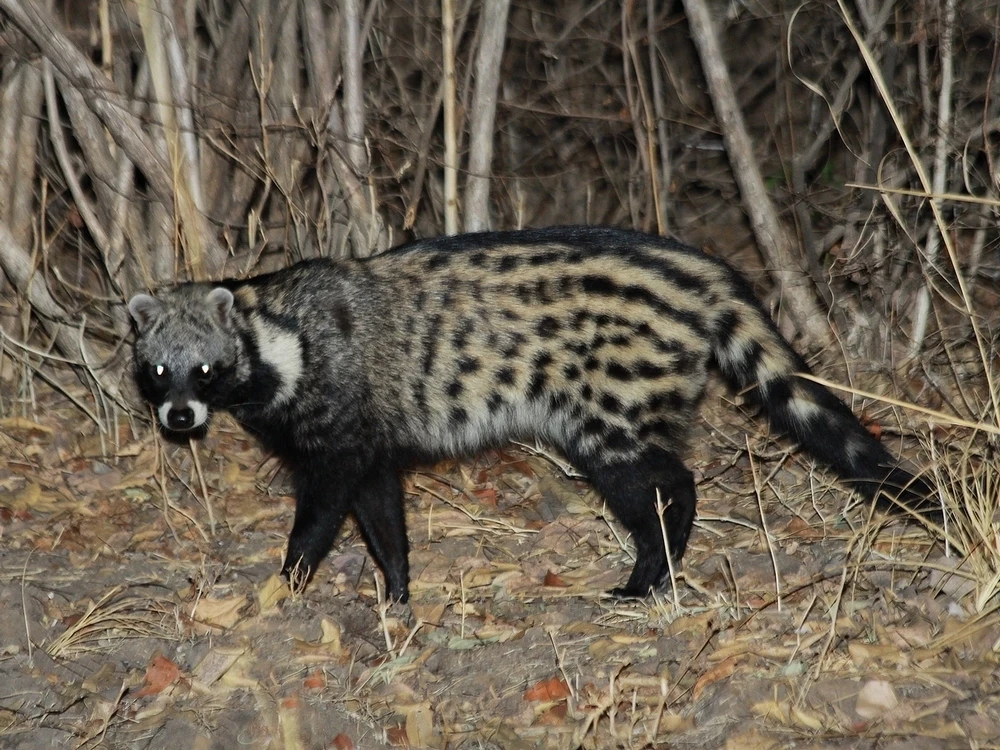 African Civet
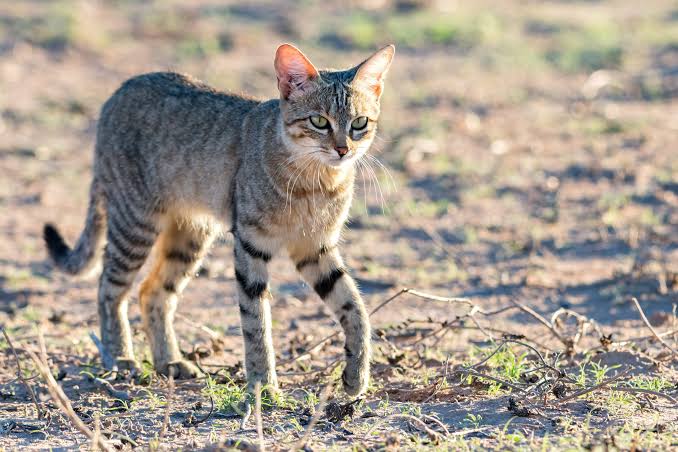 African Wildcat
 Baboon
 Bat-Eared Fox
 Bay Duiker
 Black-Fronted Duiker